






Relics and Antiques
These relics and antiques are tangible fragments of history, offering collectors a direct physical connection to past events, distant cultures, and notable provenance.
Relics and Antiques
When you search for relics and antiques, you encounter a diverse assemblage of historical objects ranging from architectural fragments and devotional art to military militaria and personal artefacts. These items span multiple centuries, incorporating periods such as the 18th century, Victorian era, and Edwardian period, alongside pre-16th century pieces.
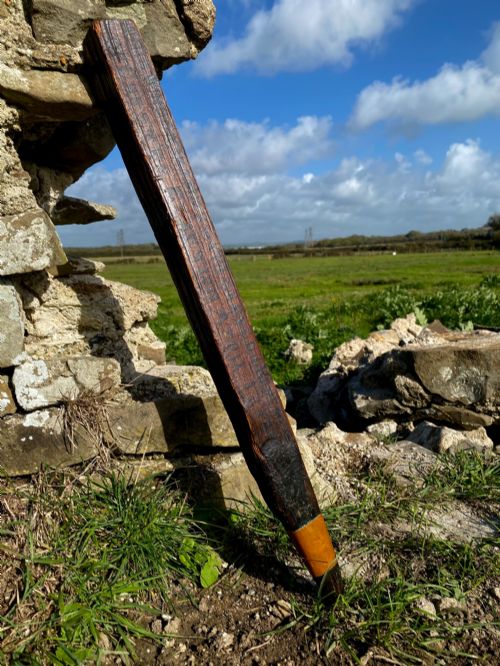
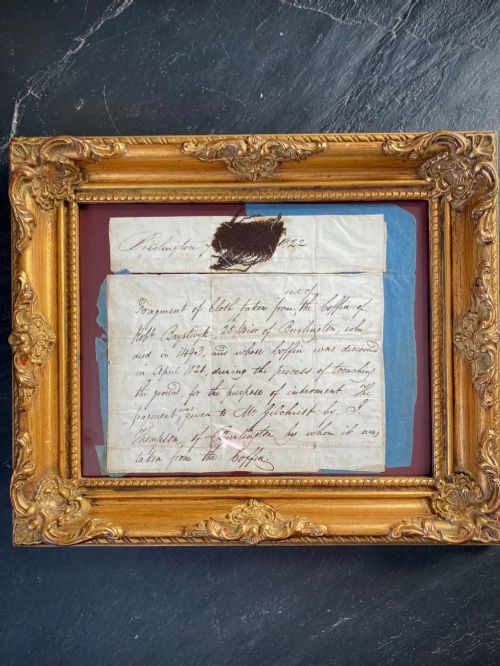
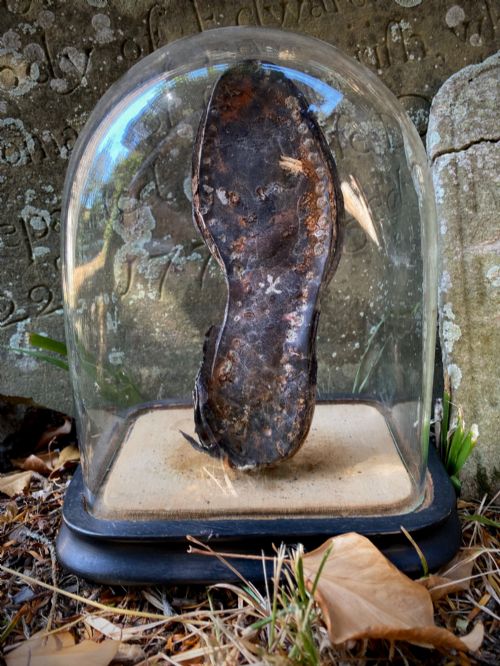
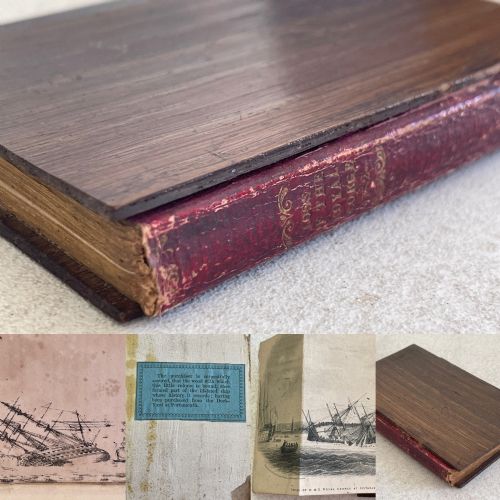
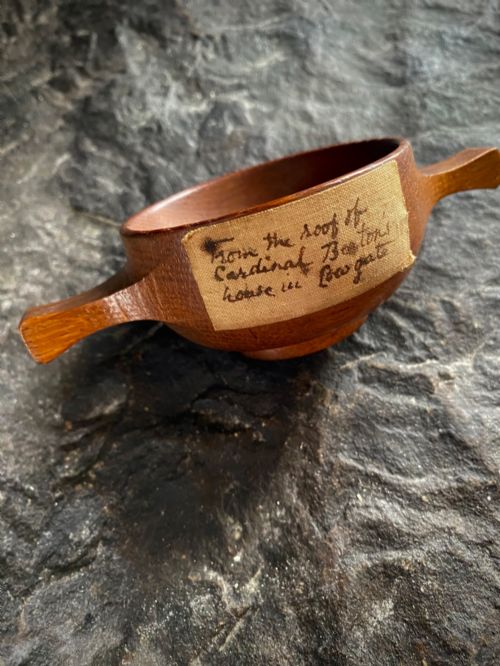
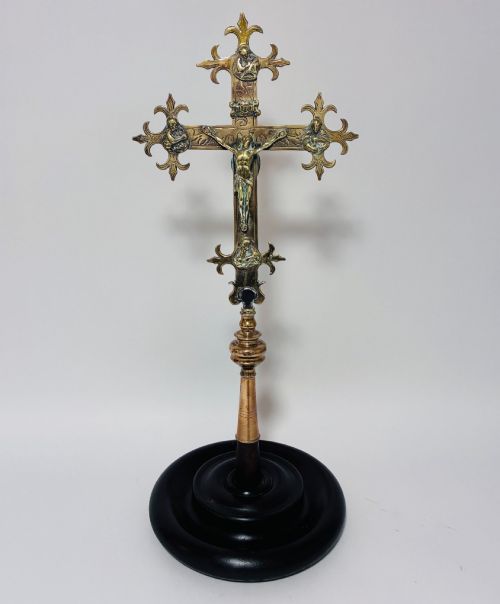
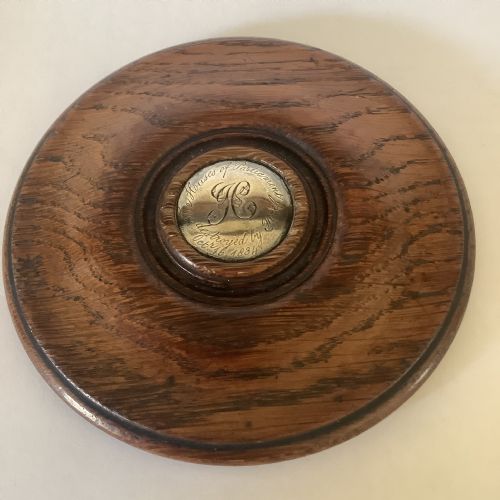
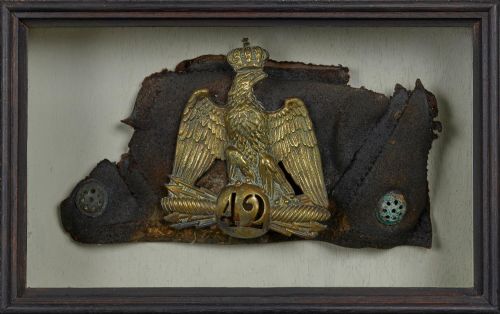
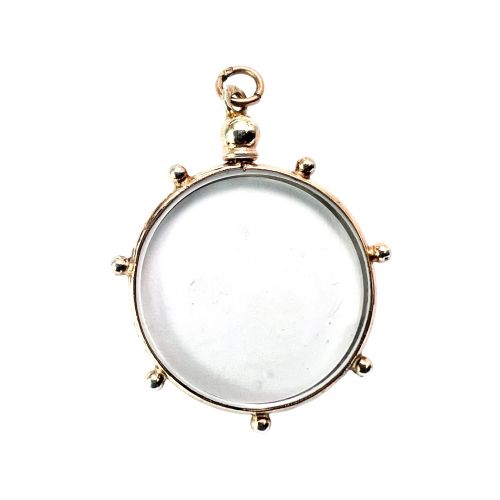
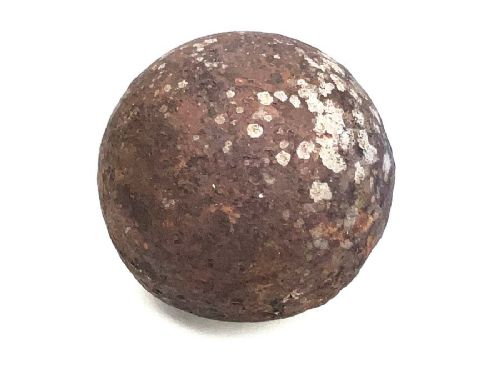
The assortment includes specific historical curiosities like wood panelled books from sunken ships, processional crosses, Tibetan Himalayan travelling prayer box shrines, and oak snuff boxes linked to major fires. Buyers also find military pieces such as partial shakos and French cannon balls, alongside devotional miniatures and wrought iron anchors.
Forms vary from small personal items like locket pendants and snuff boxes to larger objects including portable shrines, propellers, and sculptures. The selection accommodates both specialist collectors of military history and those drawn to ecclesiastical or commemorative artefacts.
How they were made
Makers utilised a wide array of traditional materials, predominantly working with wood, brass, silver, copper, iron, and alloy metal, alongside paper, leather, and glass. The application of gold on silver appears in delicate items like screw locket pendants, while wrought iron and heavy brass define larger utilitarian and ecclesiastical objects.
Construction techniques reflect the specific function and period of each piece, from the intricate hand-forging of wrought iron anchors and processional crosses to the precision joinery of wood panelled books and nib boxes. Devotional objects such as portable shrines and miniatures involve specialised craftsmanship in sacred iconography and metalwork.
Relics and Antiques Retail Price Guide 2026
Typical asking prices for relics and antiques among the pieces listed under this phrase on Sellingantiques today, from the lower quarter to the upper quarter. They describe what is for sale here now, not the wider market.
Listings feature items spanning from the pre-16th century up to the Edwardian period, utilising wood, brass, silver, and iron.
What varies in quality
Quality in these items is determined by the clarity of provenance and the directness of the historical association, distinguishing pieces with documented origins from general historical items. The integrity of the materials and the preservation of the original surface patination significantly influence the standing of an artefact.
The finesse of the craftsmanship, whether in the detailed execution of a brass processional cross or the precise construction of a military shako, separates standard items from exceptional examples. Surviving components and the degree of original preservation dictate the overall integrity of each piece.
The Relics and Antiques Glossary
- Provenance
- The documented history of ownership and origin that establishes the authenticity and background of an antique or relic.
- Patina
- The surface sheen and coloration developed over years of handling, ageing, and exposure to the environment.
- Militaria
- Collectable items and artefacts relating to warfare, military history, and armed forces.
- Ecclesiastical
- Artefacts and furnishings created specifically for use within a church or Christian religious context.
- Relic
- An object surviving from an earlier time, often possessing historical or sentimental association with a person, place, or event.
Relics and Antiques: Frequently Asked Questions
What is a portable shrine?
A portable shrine is a small, enclosed structure designed for personal devotion while travelling, housing sacred images or texts.
These pieces often feature folding doors or protective outer cases made from wood or metal to safeguard the contents during journeys.
What are commemorative relics?
Commemorative relics are physical objects created from materials salvaged from notable historical events, structures, or vessels.
Examples include items fashioned from the timber of sunken ships or buildings involved in historic fires, often accompanied by descriptive inscriptions.
How should I care for mixed material antiques?
Mixed material antiques require careful handling appropriate to each component, such as keeping wood conditioned and protecting delicate metal surfaces from moisture.
Stable environmental conditions with minimal fluctuations in temperature and humidity help preserve both organic and inorganic elements.