
Regency Wooden Cupboard
A regency wooden cupboard brings practical storage and architectural line into a room through rich timber and disciplined proportion.
Regency Wooden Cupboard
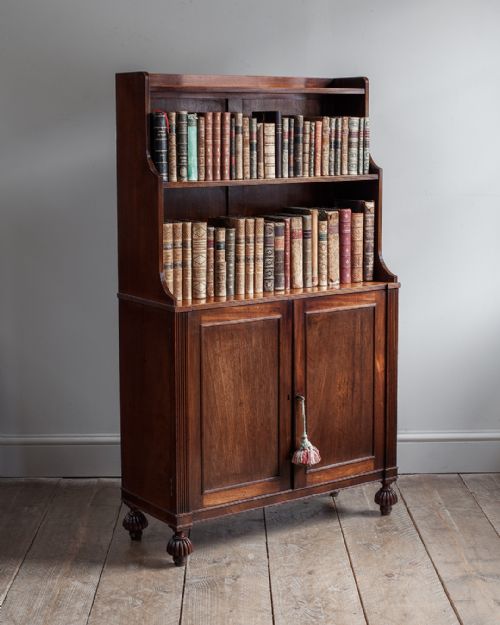
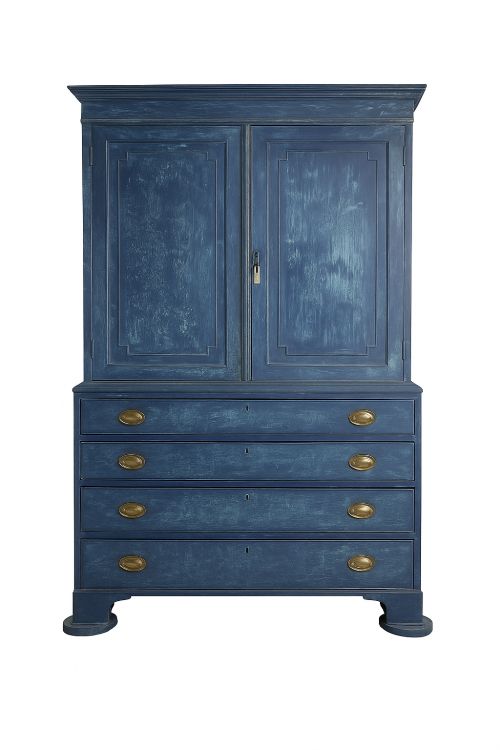
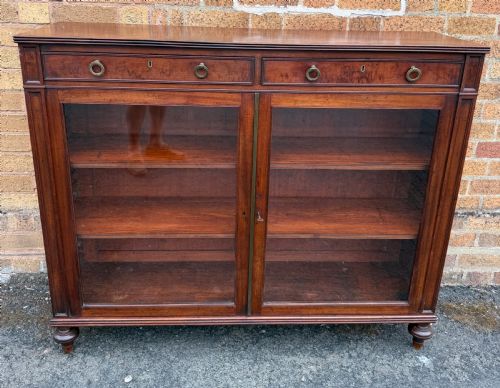
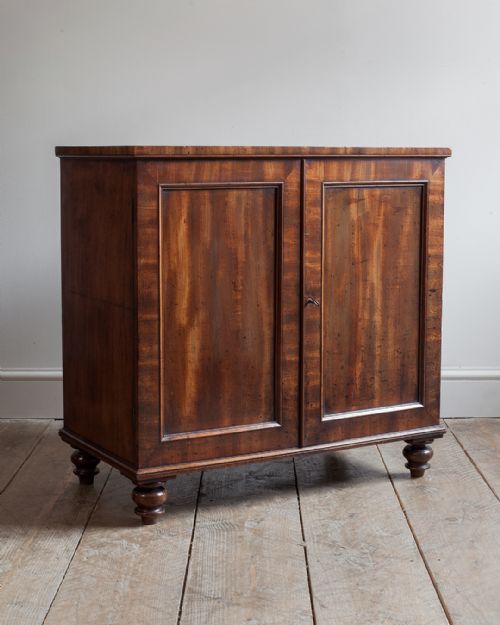
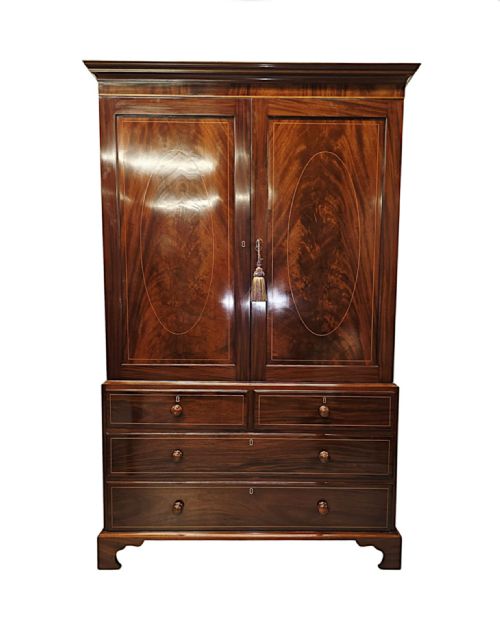
A regency wooden cupboard encompasses side cabinets, chiffoniers, bedside cupboards, and bookcases originating primarily from the nineteenth century, Georgian, and Regency eras. Buyers searching this term seek pieces that combine enclosed storage with display surfaces, often finding low cupboards, linen presses, and wardrobes.
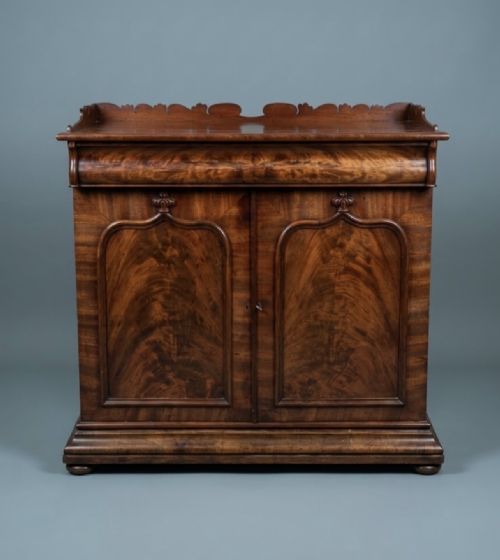
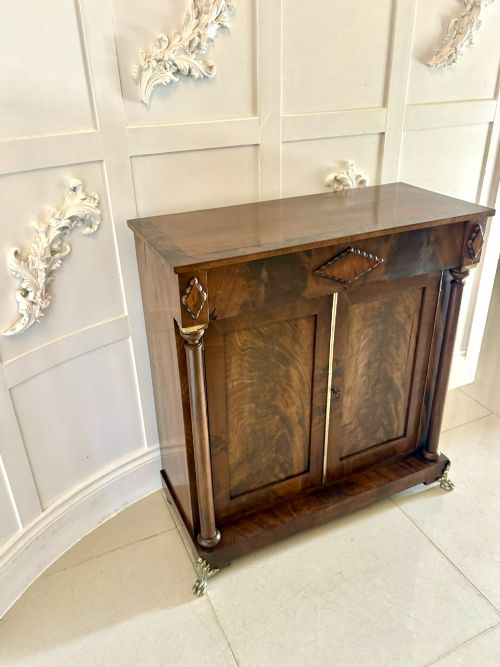
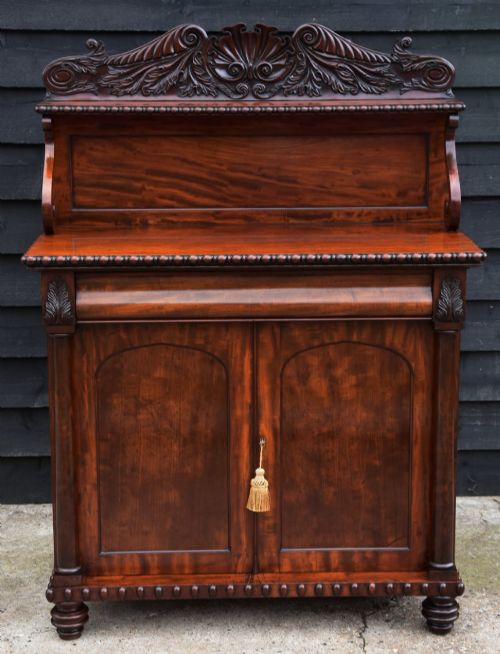
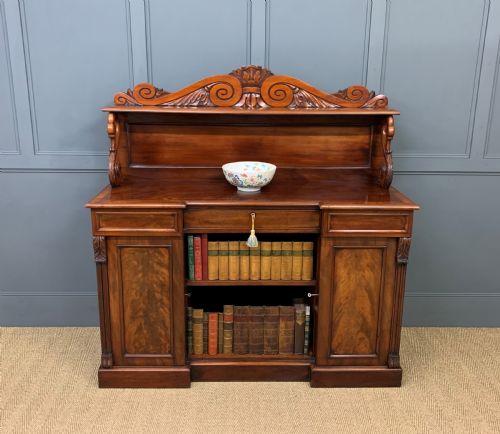
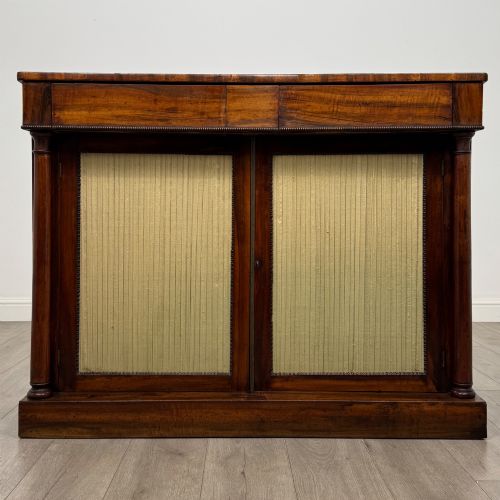
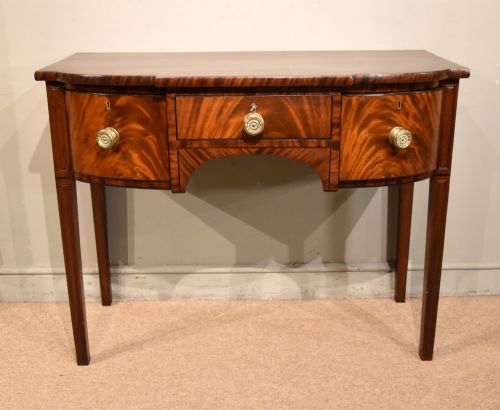
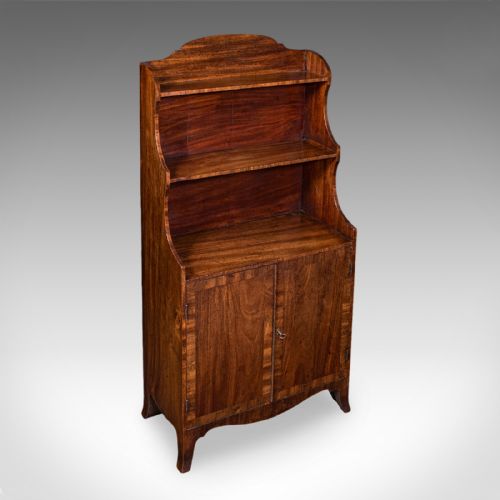
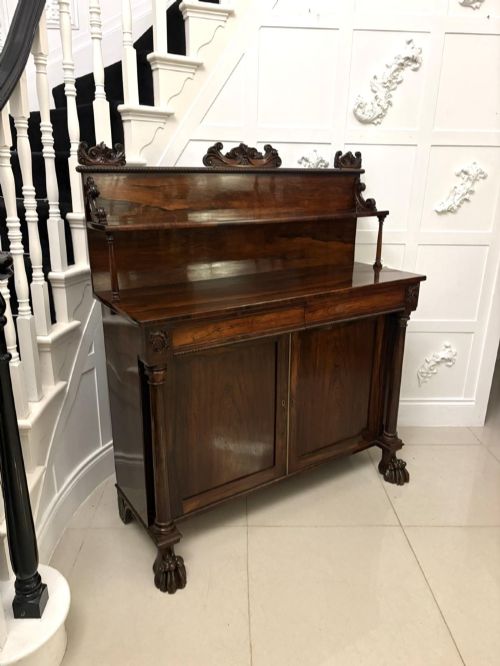
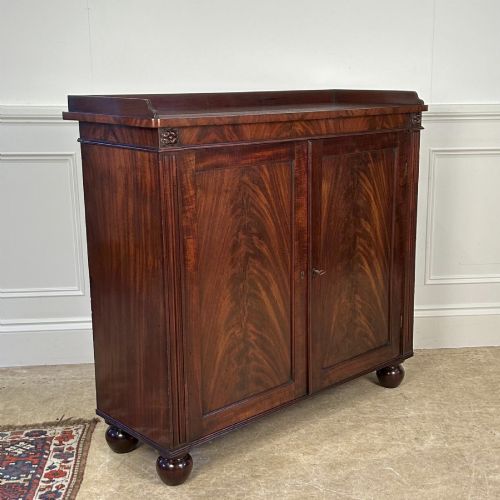
The version most commonly met on this page is the mahogany side cabinet or chiffonier, frequently featuring lower doors beneath open shelves or a raised superstructure. These items span styles from strict Regency to William IV and George III, reflecting the domestic requirements of English country houses and town residences.
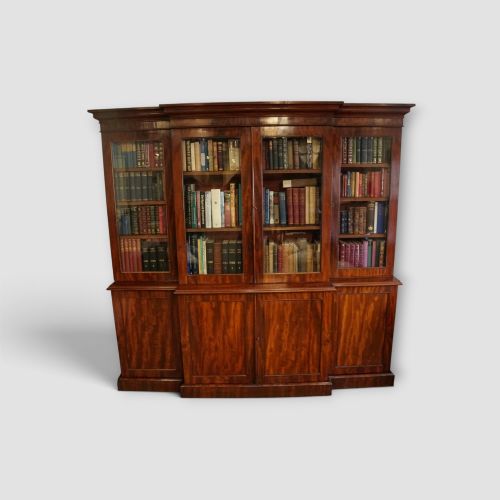
Makers and cabinet makers of the period utilised timber to create functional furniture that served specific domestic roles, from bedside tables to extensive breakfront bookcases. The structural vocabulary relies on pedestals, drawers, and panelled doors adapted for varied domestic interiors.
Design and Execution
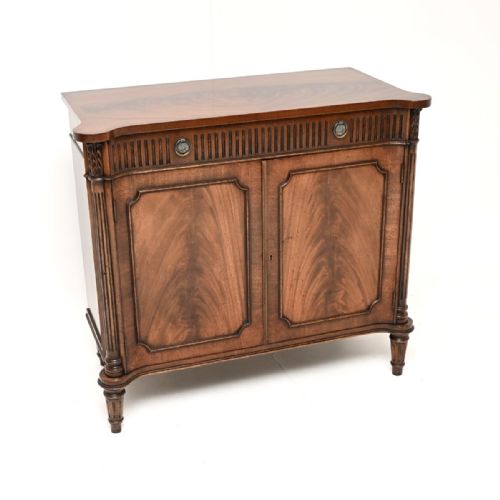
Quality separates through the selection of timber figures, such as dense flame mahogany or exotic amboyna and goncalo alves, matched against restrained brass inlay. The refinement of turned legs, reeded supports, and integrated door panels distinguishes superior workshop output from standard utility furniture.
Proportion and architectural integrity dictate the standing of a piece, where balanced cabinetry and crisp mouldings elevate domestic storage into disciplined decorative art.
A cylindrical bedside cupboard hides your midnight reading in a smooth, curved wooden drum.
Gillows·Holland & Sons
The Regency Wooden Cupboard Glossary
- Chiffonier
- A low sideboard or cabinet featuring enclosed lower doors and often a raised shelf superstructure. This form gained popularity during the Regency period for dining and drawing rooms.
- Flame mahogany
- A veneer cut from the branch wood where it joins the main trunk, producing a distinctive flickering flame pattern. Cabinet makers utilised this timber to create striking visual movement on prominent door panels.
- Linen press
- A tall storage piece comprising upper sliding trays enclosed by doors, sitting above a chest of drawers. These cabinets were designed to store household linens flat.
- Breakfront
- A cabinet design where the central section projects forward from the flanking wings. This configuration creates visual depth and varied storage capacity within large bookcases and sideboards.
- Reeded legs
- Cylindrical supports carved with parallel convex mouldings running vertically. This decorative turning appears frequently on the legs of tables and bedside cabinets from the period.
Regency Wooden Cupboard: Frequently Asked Questions
How do I identify a Regency cupboard?
Look for architectural proportions, classical motifs such as brass inlay or reeded legs, and the use of solid mahogany or flame mahogany veneer. These characteristics distinguish pieces produced during the early nineteenth century.
Examine the interior construction and timber selection, as period pieces rely on traditional joinery methods and specific secondary woods beneath the primary polished surfaces.
What is a chiffonier used for?
A chiffonier served as a versatile side cabinet in dining rooms and drawing rooms for storing tableware, linens, or books while providing a surface for display. The lower enclosed cupboards kept items out of sight.
Many examples include upper shelves or a gallery back, allowing owners to display ceramics or decorative objects above the main storage surface.
Where should I place a bedside cupboard?
These compact cabinets suit bedrooms as functional bedside tables, providing an enclosed cupboard space for personal items alongside a surface for lighting and reading materials. Their small scale allows them to fit beside varied bed heights.
Ensure the door swing and height align comfortably with your mattress level to maintain practical access to the interior storage.
How do I care for mahogany veneer?
Maintain mahogany surfaces by dusting with a soft, dry cloth and avoiding direct sunlight, which can fade the rich tones of the wood and dry out the veneer. Routine polishing with appropriate wax preserves the sheen.
Keep these cabinets away from direct heat sources and sudden humidity changes to prevent the timber from expanding and the veneer from lifting over time.