
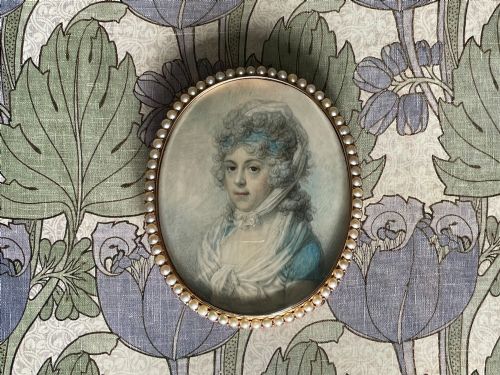
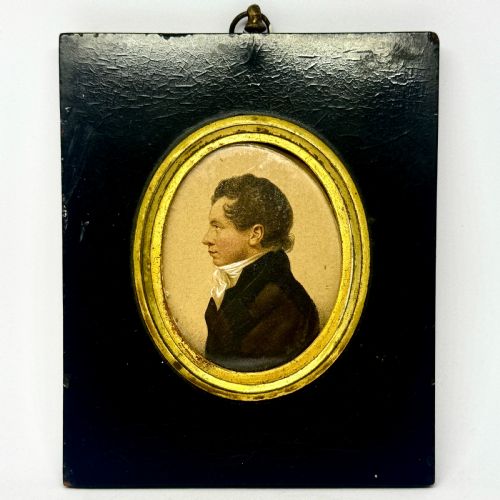
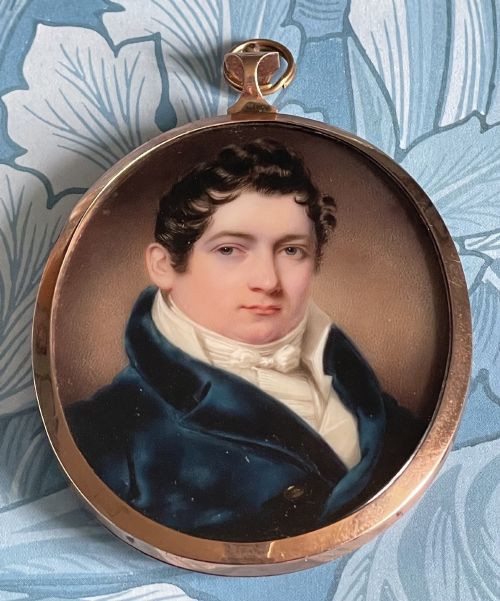
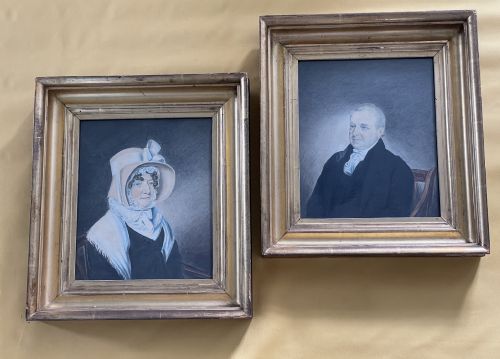
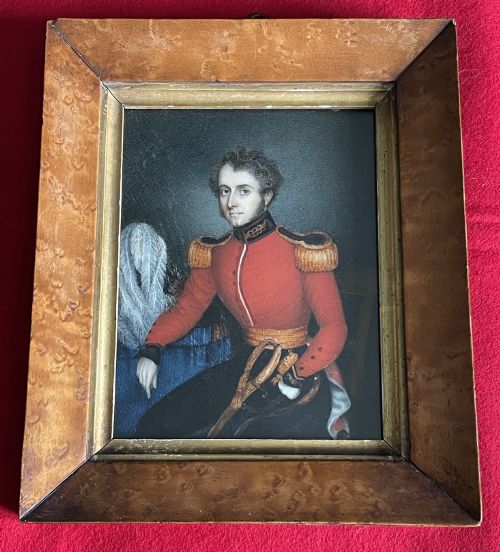
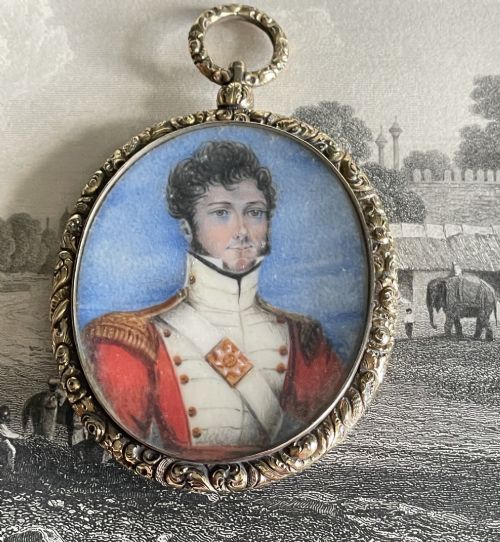
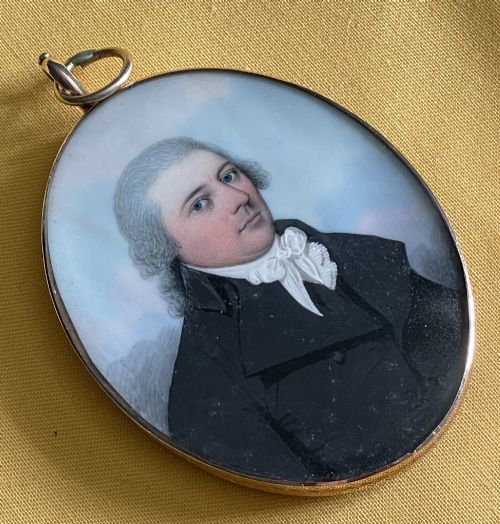

Regency Watercolour Miniature
A regency watercolour miniature captures a likeness on a small scale, offering intimate character studies framed for private display.
Regency Watercolour Miniature
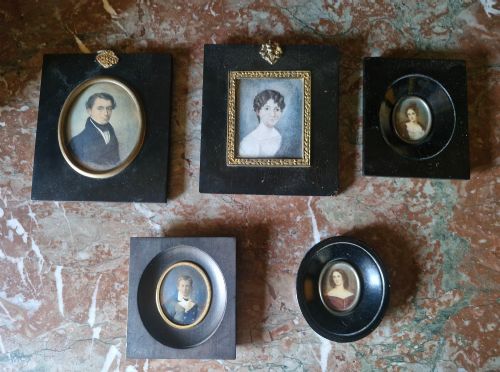
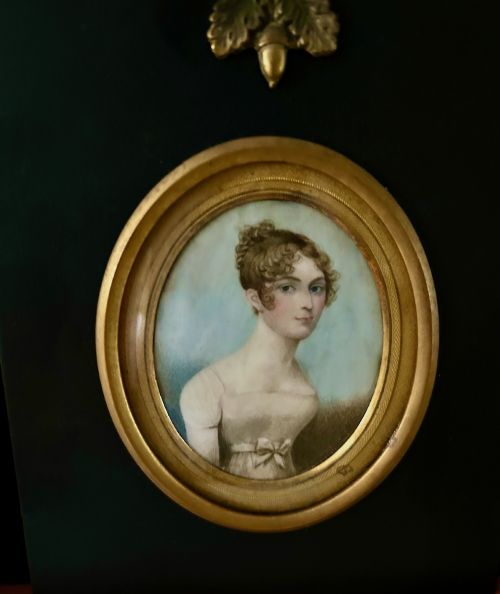
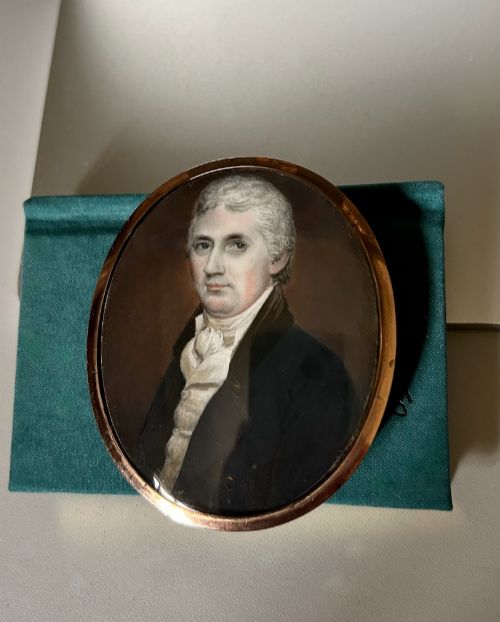
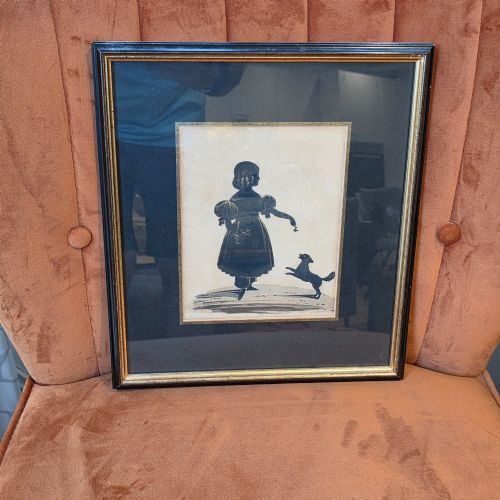
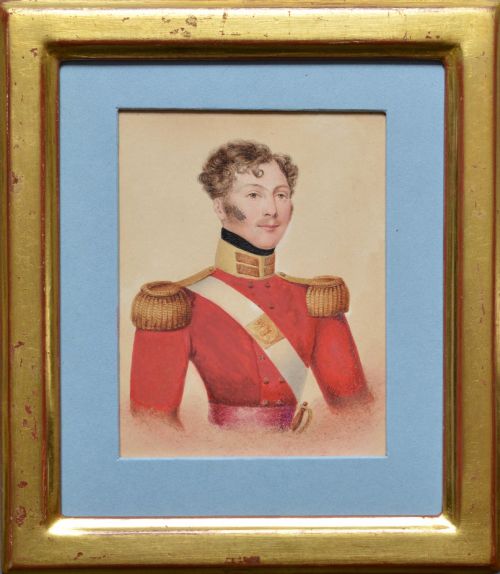
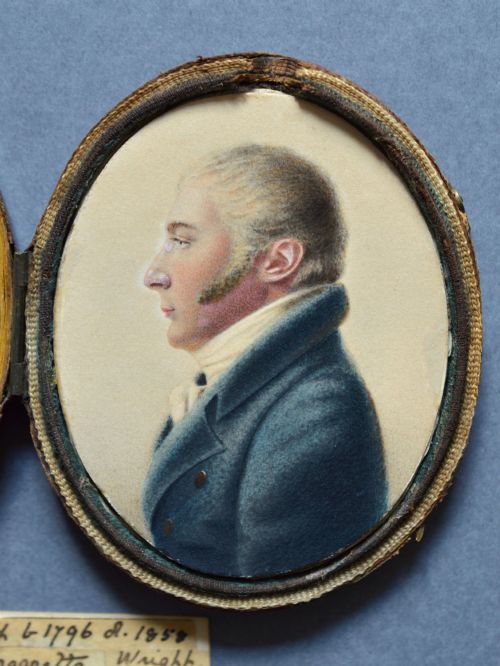
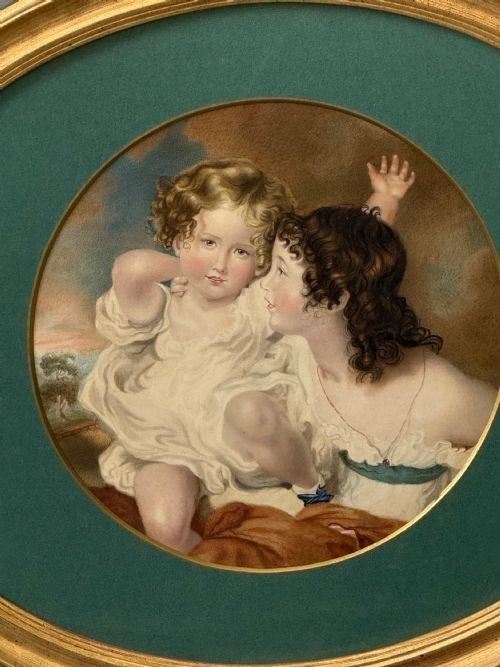
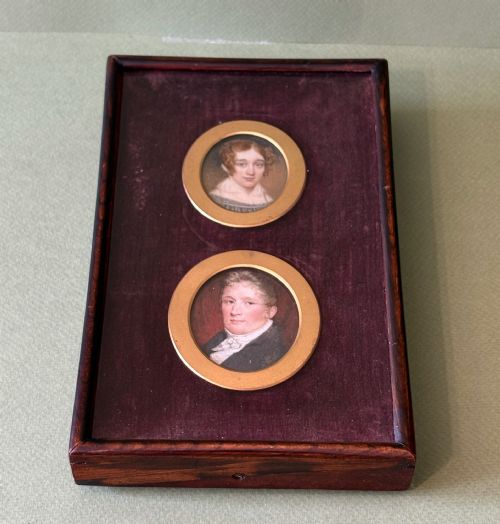
A regency watercolour miniature presents small-scale portraiture executed on paper or ivory, often depicting officers, children, ladies, and gentlemen. The examples met most frequently on this page date from the nineteenth century, including the Regency period, Georgian era, and early Victorian years.
Subjects appear individually, in pairs, or within family groups, rendered in watercolour, pencil, and gouache. Many retain their original surrounds, such as ebonised wood frames or gilt metal stands designed to protect delicate surfaces.
Paper, Ivory and Pigment
Enclosing these delicate mediums required protective glass fronting set within brass, gilt metal, or timber frames. Ebonised wood and gilt wood housings preserved the works from dust and light exposure.
One surviving Regency portrait comes equipped with fourteen interchangeable costume overlays so the sitter could change outfits on a whim.
Fidelity of Touch
Quality rests upon the precision of the brushwork and the psychological depth achieved within a confined surface. Superior examples display mastery in rendering skin tones, textiles, and individual expression without heavy-handed retouching.
The sophistication of the original housing also influences the standing of a piece. Well-preserved frames, bezels, and stands contemporary with the artwork contribute to the integrity of the object.
William James Hubard·Thomas John Horsley·Richard Cosway·John C D Engleheart·Frederick Buck·Nicolas Freese·Albin R Burt·William Egley·George Hargreaves·Thomas Woolnoth·Emma Kendrick·William Grimaldi·Henry Jacob Burch·George Engleheart
The Regency Watercolour Miniature Glossary
- Watercolour
- A paint consisting of a pigment suspended in a water-soluble vehicle. It provides the translucent washes characteristic of these small portraits.
- Ivory
- A smooth organic material used as a painting surface for its luminous quality. Pigments applied to ivory retain a distinctive depth.
- Ebonised wood
- Timber treated to resemble ebony. It supplies the dark, contrasting borders typical of period frames.
- Gilt metal
- Metal treated with a gold-coloured finish. It forms decorative bezels and stands for miniature portraits.
- Gouache
- An opaque watercolour paint containing added white pigment. Artists utilised it to create solid highlights and dense clothing details.
Regency Watercolour Miniature: Frequently Asked Questions
How were these miniatures displayed?
Owners placed these small portraits on desks, mounted them on walls, or kept them inside travel cases. Their compact dimensions allowed for intimate viewing within private domestic spaces.
Many examples include hanging loops, easel backs, or fitted pocket cases designed for portability and personal sentiment.
Did these works depict specific people?
Most subjects represent identifiable individuals from the period, including military officers, actresses, children, and family members. Inscriptions on the reverse or accompanying records often preserve names and dates.
Some portraits follow generalized types or interpret larger oil paintings by academic artists on a smaller scale.
How do I care for watercolour miniatures?
Keep these objects away from direct sunlight to prevent the watercolour pigments and paper supports from fading. Stable indoor humidity protects the paper, ivory, and wooden or metal frames from warping.
Avoid removing the original glass, as the enclosed environment shields the delicate painted surface from airborne moisture and pollutants.
How are Regency pieces told apart from Victorian ones?
Regency examples frequently feature hairstyles, high-waisted fashions, and collars specific to the early decades of the nineteenth century. The framing styles and handwritten notes on the back also offer chronological clues.
Victorian pieces often introduce broader dress silhouettes, distinct photographic influences, or altered mounting materials as the century progresses.