





Regency Wall Decor
Regency wall decor brings together classical engravings, oil portraits and ornate mirrors designed to fill period interiors with character.
Regency Wall Decor
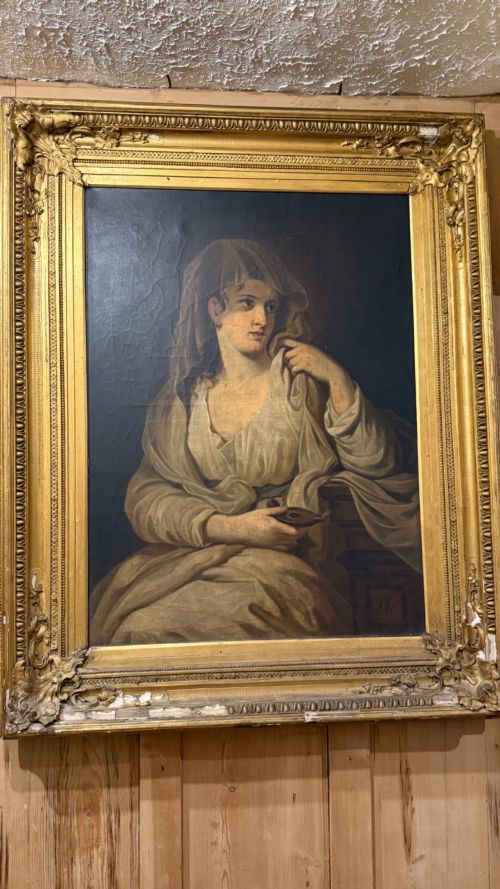
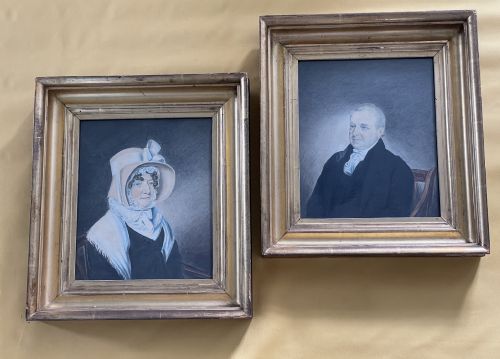
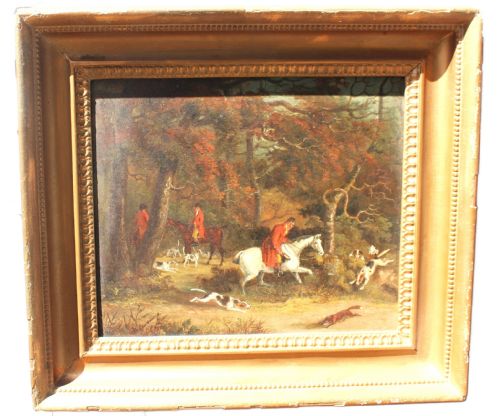
Buyers seeking regency wall decor encounter a varied selection of framed artwork, oil paintings and wall plaques dating principally from the nineteenth century. The pieces span Georgian, Regency and Victorian periods, reflecting the tastes of those eras through portraits, hunting scenes and classical subjects.
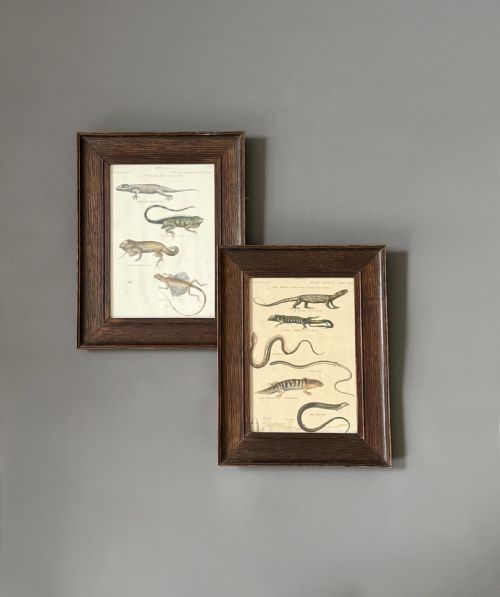
Framed prints and hand-coloured engravings form a prominent part of the selection alongside oil on canvas works and decorative mirrors. Many items originate from British traditions, incorporating natural history studies, caricature and armorial plaques.
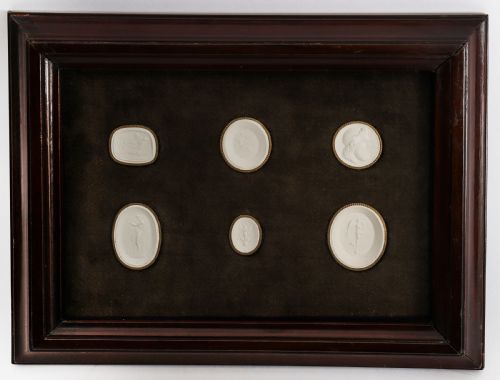
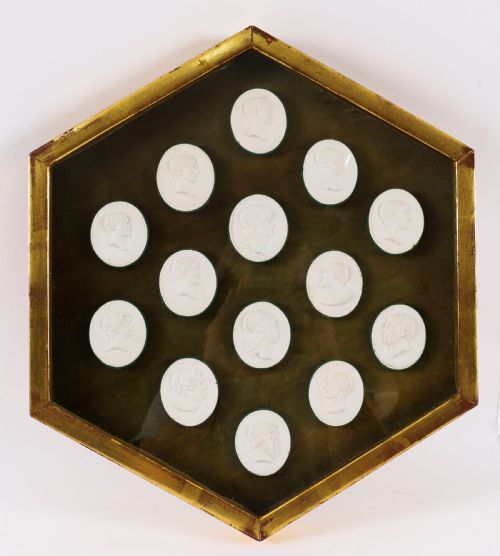
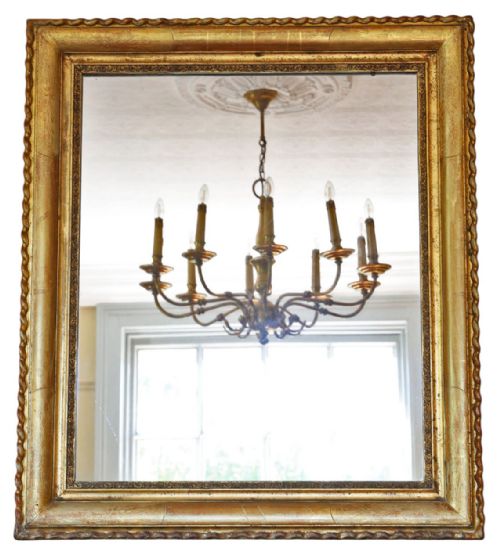
The objects serve primarily to adorn interior surfaces, utilising formats such as overmantle mirrors, painted tiles and framed intaglios. Each piece contributes distinct historical depth to a room through traditional craftsmanship and period aesthetics.
Materials and methods
Makers utilised wood, glass and plaster alongside gold leaf and giltwood to construct frames and decorative plaques. Canvases received oil paint applied by hand, while paper supports held watercolours, engravings and printed collections.
Techniques relied on traditional hand-colouring for engravings and meticulous brushwork for portraits and landscapes. Gilding applied to wood and plaster surfaces created the reflective and ornate finishes seen on mirrors and frames.
The selection includes portraits, hunting scenes, natural history prints and classical intaglios reflecting Georgian and Victorian tastes.
Distinctions in quality
Quality differentiates through the execution of the painting or engraving and the preservation of original materials like gold leaf and giltwood. Fine portraiture and detailed hand-colouring demonstrate higher skill than naive or simpler decorative works.
The integrity of the frame, whether ornate gold or Hogarth style, influences the overall standard of the piece. Surviving paperwork, clear signatures or attribution to known artists and makers elevate the standing of an item.
William Bird MD FLS·Sir William Beechey·George Romney·H. Alken·Henry Corbould·John Partridge·Jennens and Bettridge
The Regency Wall Decor Glossary
- Giltwood
- Wood carved and coated with gold leaf or a gilt finish. This material is frequently found on ornate mirrors and period frames.
- Intaglio
- A design carved into the surface of a hard material such as stone or glass. These are often displayed in collections within frames.
- Engraving
- An image produced by cutting a design into a metal plate which is then inked and printed onto paper. Hand-coloured examples feature pigment applied after printing.
- Overmantle
- A large mirror designed to hang above a fireplace mantel. These typically feature ornate wooden frames.
- Armorial
- A design displaying heraldic bearings or family crests. Such motifs appear on plaques and book covers from the period.
Regency Wall Decor: Frequently Asked Questions
How do I hang a heavy overmantle mirror?
Heavy overmantle mirrors require secure fixings attached directly into wall studs or masonry using appropriate brackets. Professional installation is recommended to support the substantial weight of the wood and glass safely.
Ensure the hanging wire or D-rings match the load capacity of the mirror frame. Distributing the weight evenly prevents structural strain on the antique materials.
Are watercolour portraits sensitive to light?
Watercolour portraits and coloured engravings fade when exposed to direct sunlight over extended periods. Position these paper works away from bright windows to preserve the pigments.
Using conservation-grade glass with UV-filtering properties helps protect fragile watercolours and paper collections from environmental damage.
What is a tinsel picture?
A tinsel picture is a form of decorative nineteenth-century artwork featuring a hand-coloured print embellished with pieces of tinsel, fabric and foil. These items were popular for portraying theatrical figures of the era.
The added metallic elements catch the light differently than standard engravings. They are typically preserved behind glass to protect the delicate applied materials.
How do I clean giltwood frames?
Giltwood frames require gentle dusting with a soft, dry brush to remove surface particles without disturbing the delicate gold leaf. Avoid using water or chemical cleaners which can strip the metallic finish.
Professional conservators should handle any repairs or deep cleaning required for antique gilt surfaces. Regular light maintenance keeps the original finish intact.