

Regency Tripod Occasional Table
When you search for a regency tripod occasional table, you find compact, pedestal-supported tables designed for flexible placement in principal rooms.
Regency Tripod Occasional Table
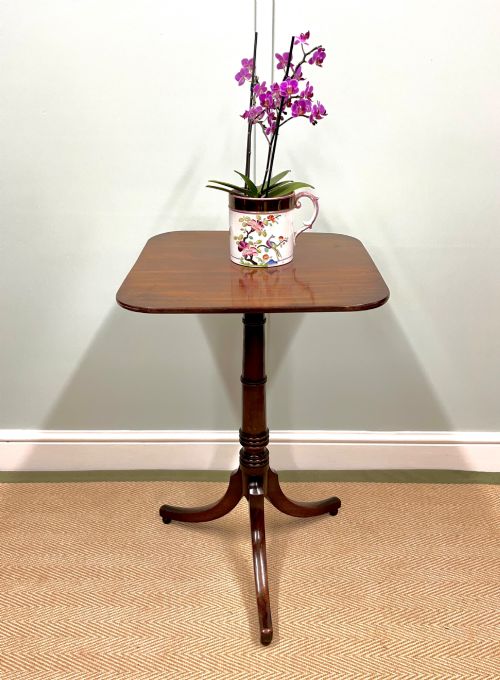
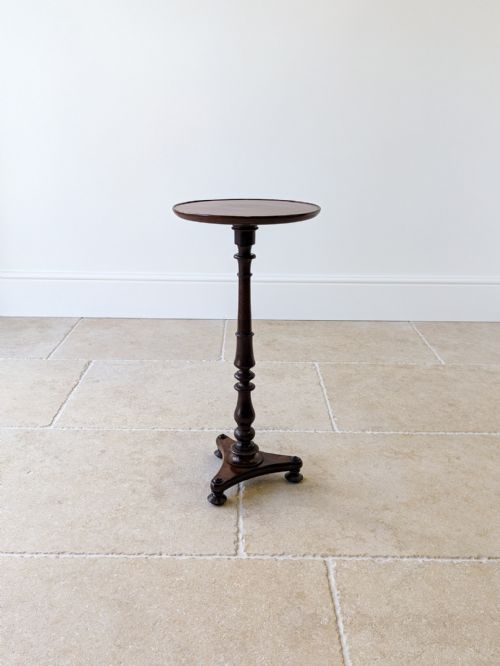
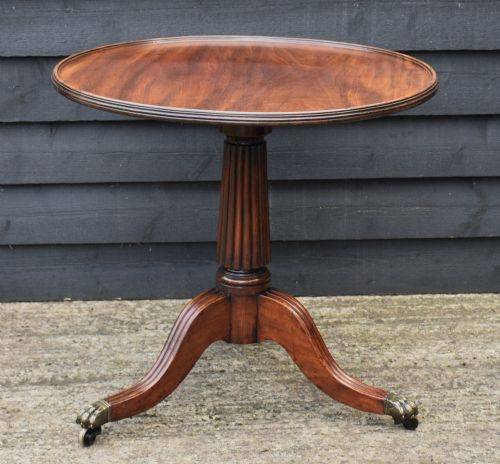
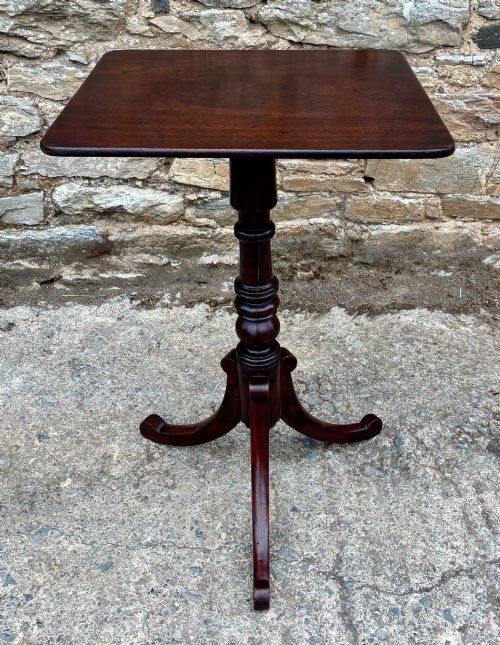
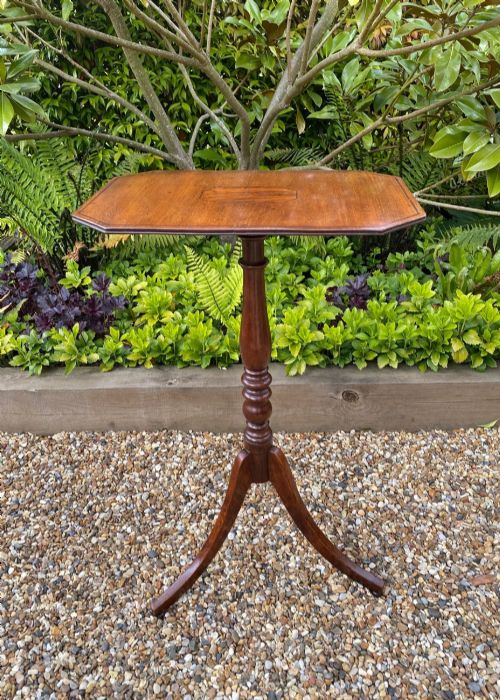
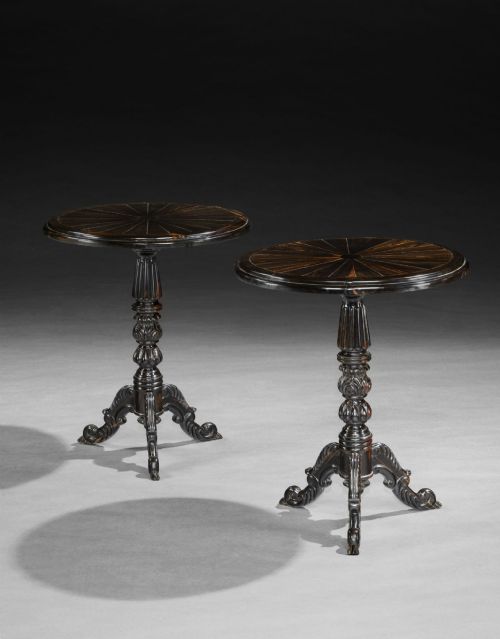
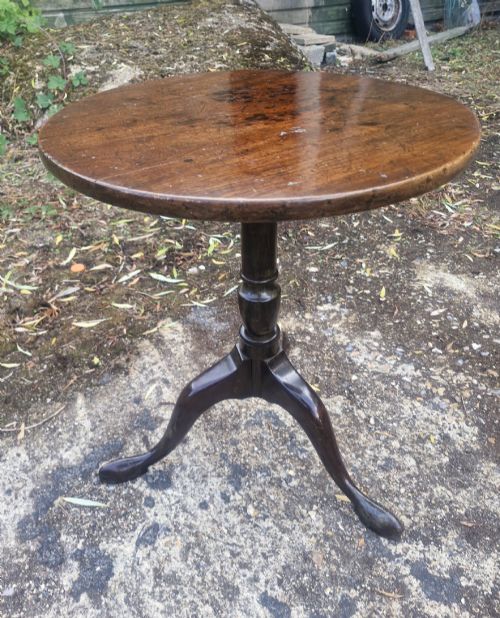
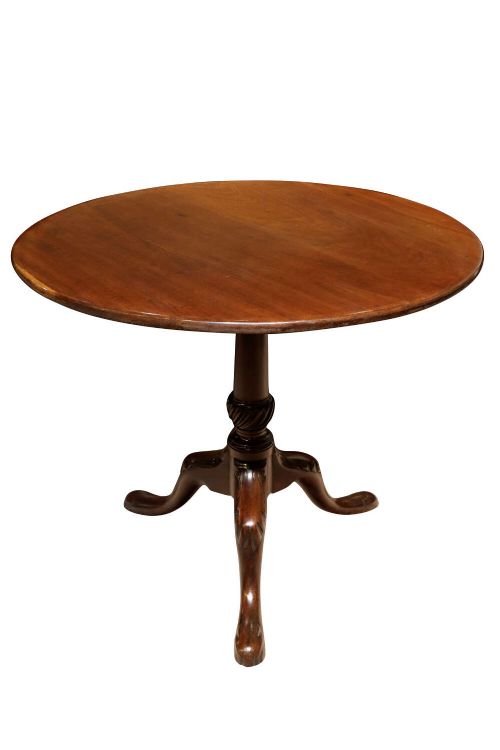
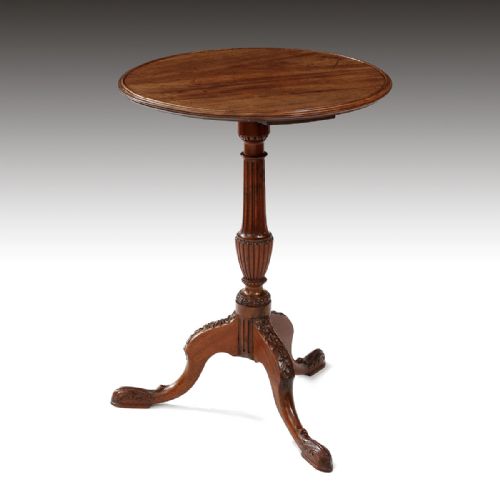
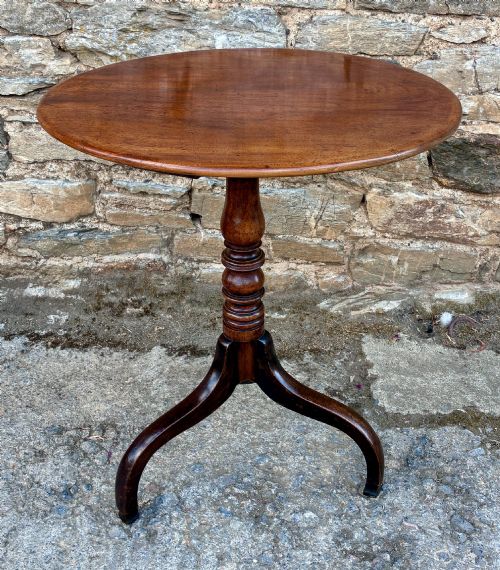
A regency tripod occasional table typically stands on a central pillar supported by three splayed legs, often fitted with a tilt-top mechanism or fixed circular top. These versatile pieces served multiple domestic functions in the nineteenth century, operating as wine tables, lamp stands, tea tables, or reading desks.
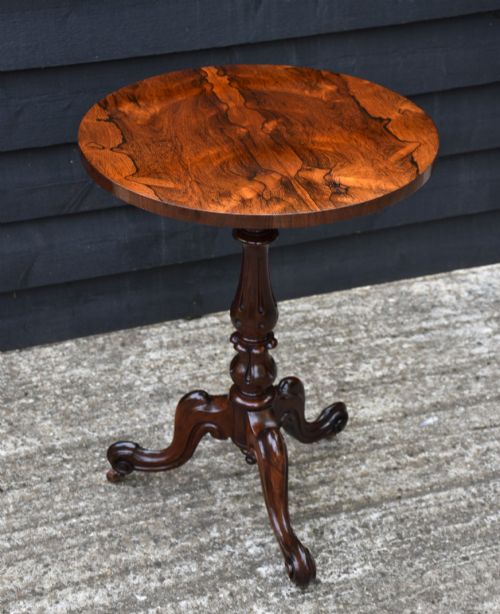
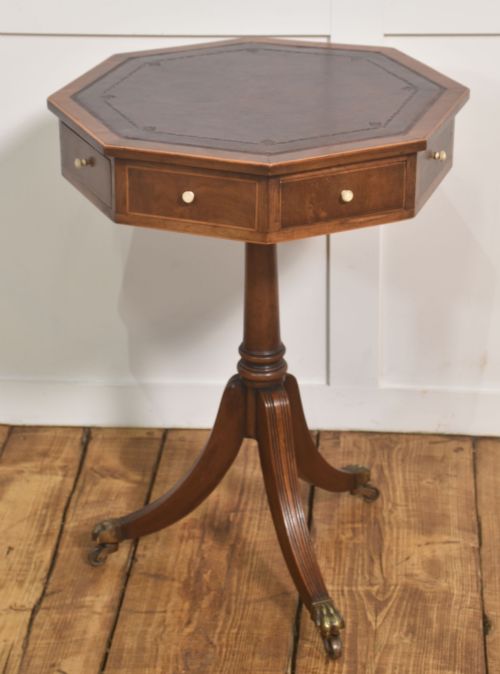
The materials span native timbers such as mahogany and fruitwood alongside imported hardwoods like rosewood, ebony, and amboyna. Makers frequently embellished surfaces with boxwood stringing, brass accents, leather inserts, or penwork decoration.
While authentic period examples date from the Regency, George IV, and William IV eras, the evidence also records Georgian precursors and later revival pieces from the Edwardian period and the twentieth century.
How they were made
Cabinet makers built these tables using dense timbers like mahogany, rosewood, and walnut, often applying finely figured veneers over secondary woods to create decorative grain patterns on the top. Turning and carving shaped the central pedestals and the three splayed legs, which frequently terminated in brass casters or pad feet.
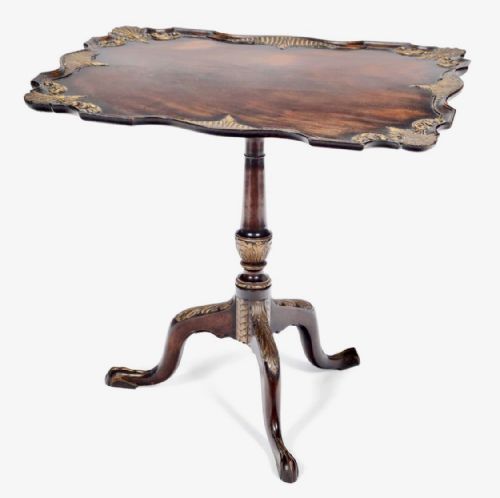
Specialised techniques included tilt-top box actions that allowed the surface to fold vertical when not in use, alongside intricate inlay work utilising boxwood, ebony, and satinwood. Surface finishes involved traditional polishing methods that enhanced the natural colour and figure of the timber.
One recorded table doubles as a fire screen, keeping ankles warm while holding your evening glass of wine.
What varies in quality
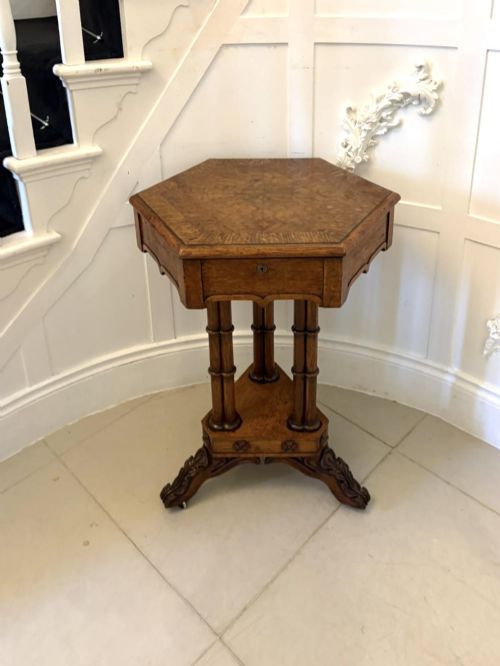
The distinction between ordinary and superior pieces rests on the choice of timber and the precision of the cabinet work. Heavily figured veneers, such as burr oak or amboyna, combined with crisp carving on the pedestal and legs, denote a higher standard of production.
Engineering details also separate workshops, seen in the smooth operation of the revolving top or tilt-top mechanism and the secure housing of the central column into the tripod base. Integrated brass details and refined inlay further elevate the status of an individual table.
Gillow
The Regency Tripod Occasional Table Glossary
- Tripod table
- A small freestanding table supported by a central pillar resting on three legs. This construction kept the piece stable on uneven floorboards.
- Tilt-top action
- A hinged mechanism allowing the table top to pivot ninety degrees vertical. This saved floor space when the table was stored against a wall.
- Drum table
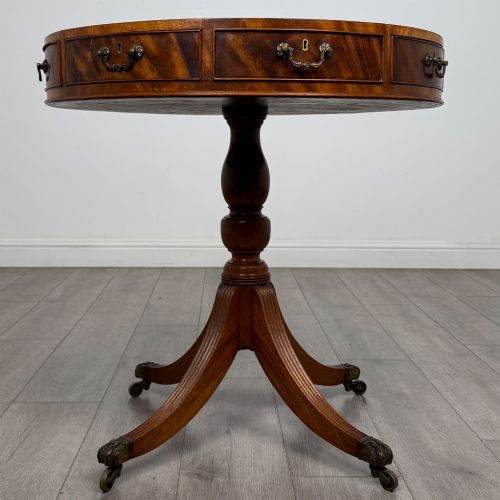
- A circular occasional table with a deep cabinet frieze containing drawers. These figures prominently in Regency interiors as writing or lamp tables.
- Stringing
- Thin inlaid lines of contrasting wood, such as boxwood or ebony, used to outline table edges and geometric panels. It creates a crisp visual border.
- Penwork
- A decorative technique using dark ink to draw classical motifs or scenes directly onto the wood surface before finishing. It mimics more expensive marquetry.
Regency Tripod Occasional Table: Frequently Asked Questions
How do I use an occasional table?
These compact pieces fit easily beside seating, in hallways, or as lamp stands in reception rooms. Their small footprint makes them ideal for holding books, drinks, or decorative objects.
The stable three-legged base allows the table to sit firmly even in corners where four-legged furniture might wobble.
How do I date a mahogany table?
Dating relies on examining timber selection, construction methods, and the style of the central pedestal and legs. Earlier Regency examples often feature dense solid mahogany or fine flame veneers, while later revival pieces show different secondary woods.
Hardware such as brass casters and the complexity of any inlay also provide clear chronological clues.
Are these tables solid rosewood?
Most tables combine solid structural framing with decorative veneers applied over secondary timbers like mahogany. This method prevented warping while displaying the striking grain of imported rosewood on the top.
Only select pieces feature solid construction throughout their tops and pedestals.