



Regency Tiered Chiffonier
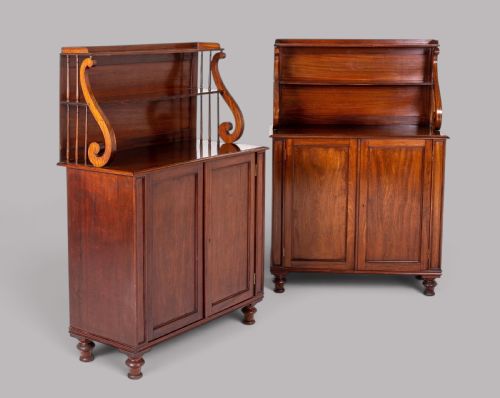
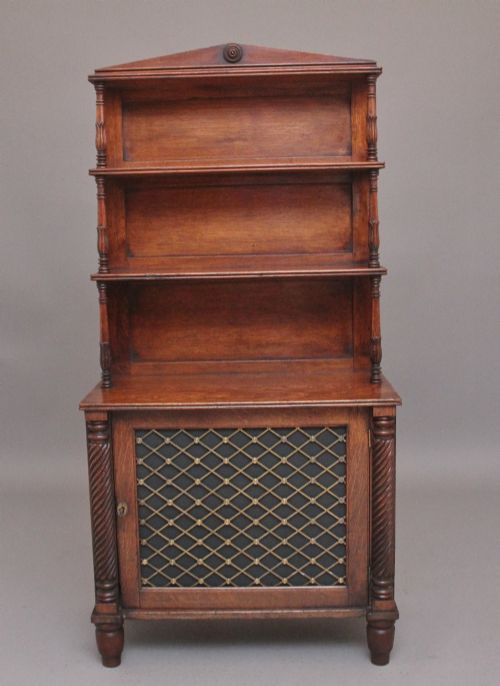
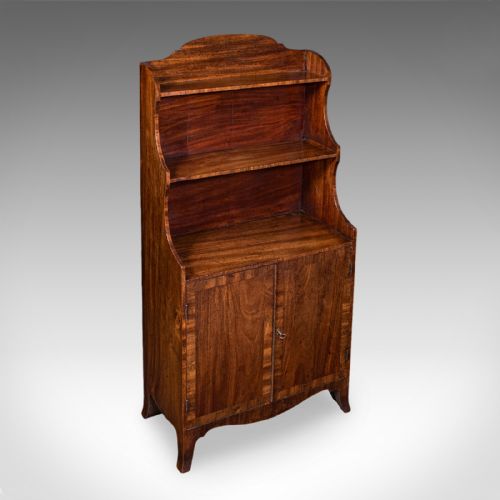
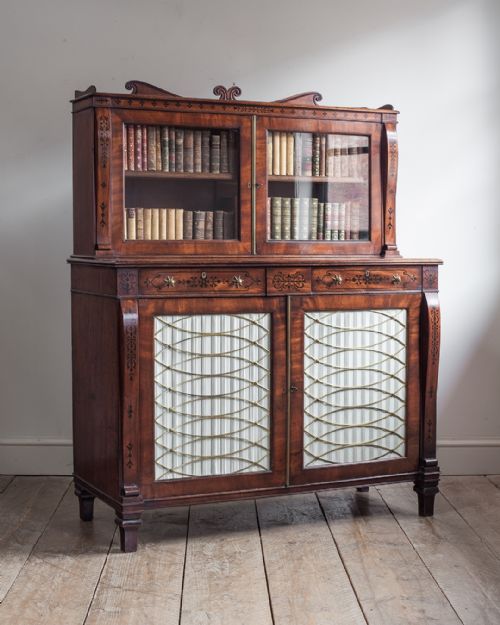
These regency tiered chiffonier pieces combine open shelving and enclosed lower storage, offering a practical centrepiece for display and living spaces.
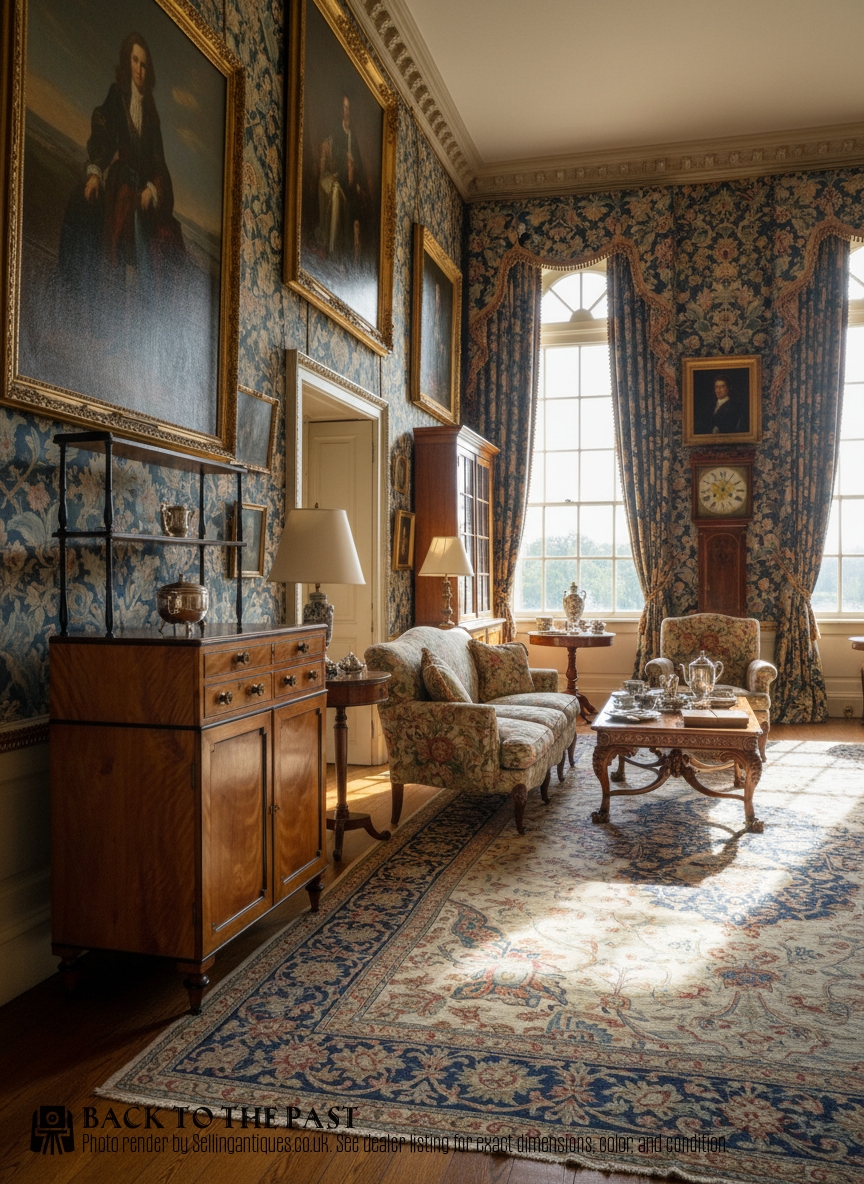
Regency Tiered Chiffonier
A regency tiered chiffonier typically presents a combination of graduated upper display shelves and a lower cabinet enclosed by doors, originating from the Georgian and Regency periods. These versatile items function equally well as bookcases, side cabinets, or writing surfaces depending on the interior layout.
The versions most frequently encountered on this page showcase rich timbers such as mahogany and rosewood, often paired with brass inlay or marble tops. Buyers will find both open waterfall shelving formats and enclosed cupboards featuring two or three tier shelf backs.
Originating around the turn of the nineteenth century, these pieces reflect the refined proportions and functional elegance characteristic of Grand Regency and Sheraton designs. Their compact footprint makes them particularly adaptable for modern rooms requiring period character without excessive bulk.
How they were made
Cabinet makers constructed these pieces primarily using solid timbers and veneers of flame mahogany, rosewood, and satinwood over sturdy secondary woods. The upper tiers rely on slender uprights or side supports to carry graduated shelves securely.
Decoration often incorporates intricate brass inlay set into the dark timber surfaces, alongside marble tops added to provide a durable and luxurious upper surface. Door panels and writing drawers utilise traditional joinery to ensure stability and smooth operation.
Regency Tiered Chiffonier Retail Price Guide 2026
Typical asking prices for regency tiered chiffonier among the pieces listed under this phrase on Sellingantiques today, from the lower quarter to the upper quarter. They describe what is for sale here now, not the wider market.
Listings feature mahogany, rosewood, and satinwood, frequently enhanced with brass inlay and marble tops.
What varies in quality
The distinction between standard examples and the finest work lies in the selection of timbers, such as highly figured flame mahogany or carefully matched rosewood veneers. Superior pieces also display precise brass inlay and refined proportions, reflecting the hand of skilled workshops like those associated with Gillows design.
Secondary details, including the thickness of the marble top, the elegance of the graduated shelf supports, and the retention of original brass fittings, elevate the overall presence of a piece. Original condition and neat proportions further distinguish exceptional survivals from altered or heavily restored items.
Gillows
The Regency Tiered Chiffonier Glossary
- Chiffonier
- A low cabinet, frequently fitted with shelves above the main body, used for display and storage. It evolved during the late eighteenth century into a staple dining and drawing room piece.
- Waterfall bookcase
- A set of open bookshelves where each successive shelf is narrower or set further back than the one below it, creating a stepped profile.
- Palisander
- A dense, richly grained exotic timber akin to rosewood, prized for its dark coloration and decorative pattern in Regency cabinet making.
- Secretaire
- A desk fitted with a pull-down writing flap concealing small drawers and pigeonholes, often incorporated into the upper or middle section of a cabinet.
Regency Tiered Chiffonier: Frequently Asked Questions
What is a regency tiered chiffonier used for?
These pieces serve multiple functions in a room, combining open shelving for books and decorative objects with enclosed lower cupboards for discreet storage.
Some variants also incorporate writing drawers or fold-down desks, making them adaptable for daily use in sitting rooms or studies.
How do I identify a Regency period piece?
Regency items typically date from the early nineteenth century and feature classical architectural motifs, neat proportions, and exotic timbers such as rosewood and flame mahogany.
Details like brass inlay and tiered shelf backs further point to the distinct aesthetic of this era.
Are marble tops original on these cabinets?
Marble tops appear on select nineteenth-century chiffoniers, providing both a decorative contrast to dark woods and a durable surface for display.
Their presence usually indicates a higher grade of commission intended for formal drawing rooms.
How should I care for rosewood and mahogany?
Maintain these polished timbers by keeping them away from direct sunlight and sudden temperature shifts to prevent the wood or veneer from drying out.
Occasional light dusting with a dry cloth preserves the natural lustre of the finish without chemical buildup.