


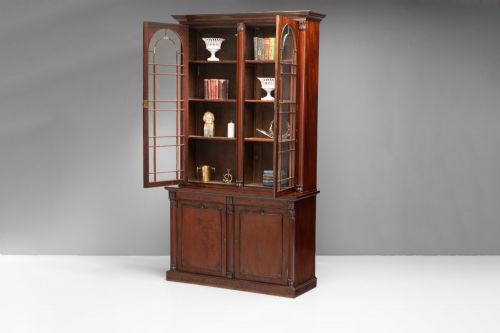


Regency Tier Cabinet
A regency tier cabinet brings tiered shelving and enclosed storage together in striking woods, offering practical display for books and treasured objects.
Regency Tier Cabinet
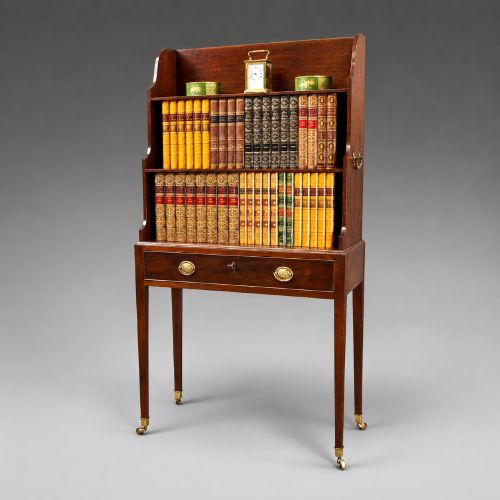
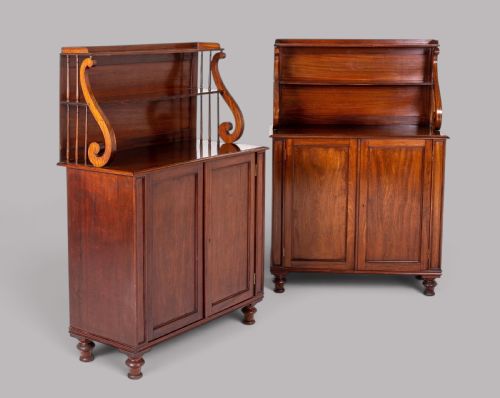
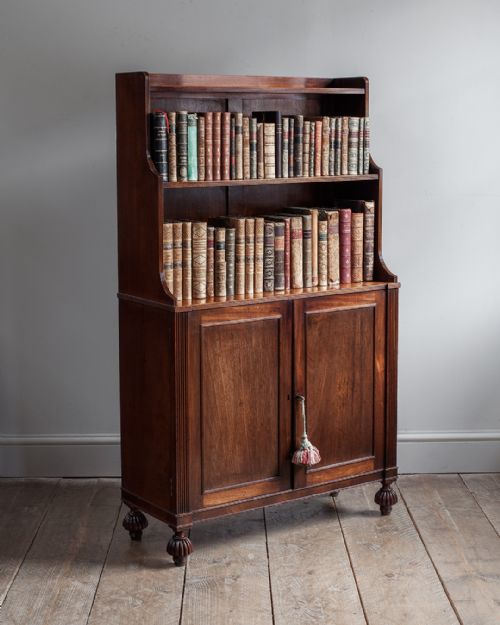
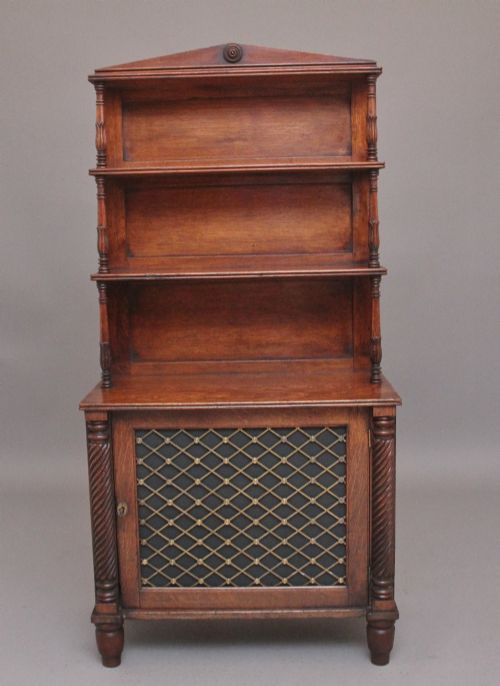
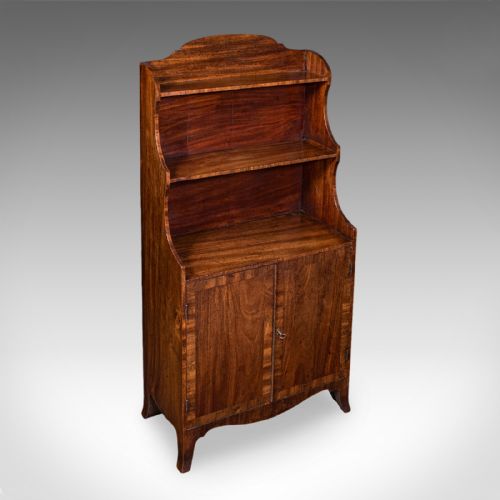
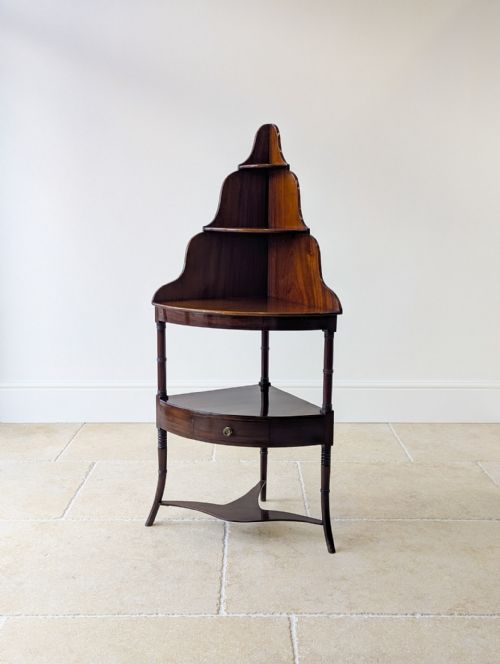
When searching for a regency tier cabinet, buyers encounter diverse multi-level storage forms such as waterfall bookcases, chiffoniers, side cabinets, and whatnots. These pieces serve as functional display units designed to organise books or decorative items across graduating shelves.
The selections on this page span several periods and styles, including Regency, Georgian, and William IV, alongside later revivals from the nineteenth and early twentieth centuries. Mahogany and rosewood dominate the listings, frequently accompanied by satinwood, oak, and marble tops.
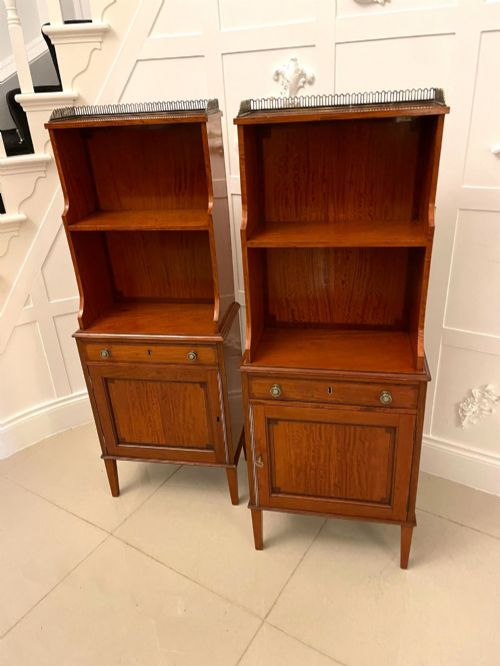
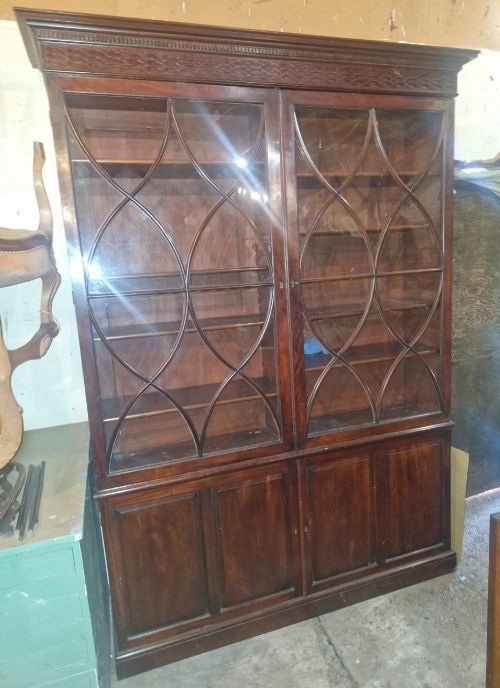
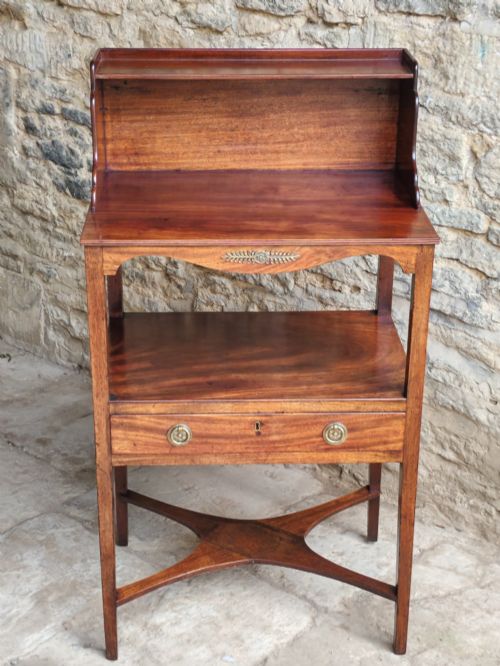
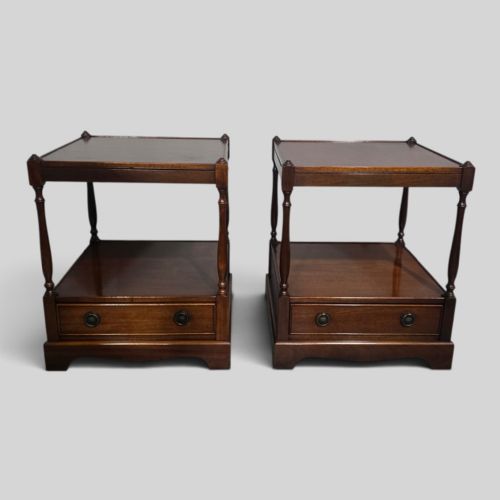
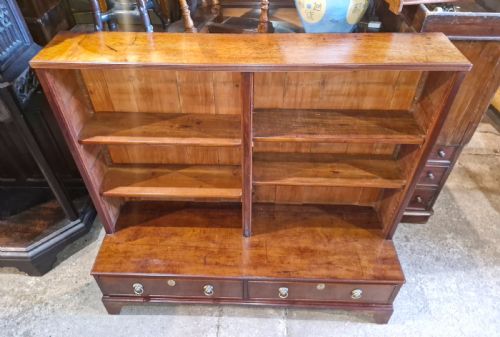
Forms range from compact bedside tables and corner stands to substantial library bookcases and breakfront display cabinets. Buyers will find both open-shelved tiers and enclosed cupboards equipped with doors, drawers, or writing surfaces.
How they were made
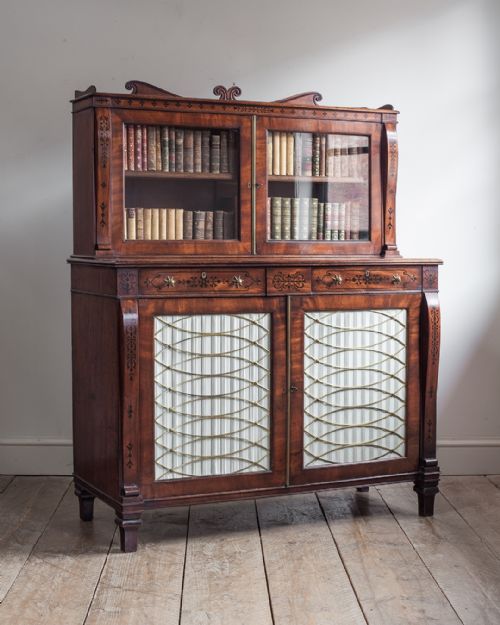
Cabinet makers relied primarily on timbers such as mahogany and rosewood, often enhanced with contrasting satinwood crossbanding, burr yew, or elaborate brass inlay. These materials provided structural integrity while delivering rich grain patterns suited to formal interiors.
Construction techniques involved precise joinery to support tiered shelves and graduated waterfall designs without sacrificing stability. Metal elements like brass mounts and glazed panels appeared on select chiffoniers and display cabinets to accent the timber frames.
Regency Tier Cabinet Retail Price Guide 2026
Typical asking prices for regency tier cabinet among the pieces listed under this phrase on Sellingantiques today, from the lower quarter to the upper quarter. They describe what is for sale here now, not the wider market.
Some nineteenth-century whatnots managed to squeeze a tiny cellarette into their architecture for hidden refreshment.
What varies in quality
The distinction between standard items and exceptional pieces rests upon the choice of timber and the sophistication of the cabinet work. Finer examples display carefully selected veneers, such as burr walnut or rosewood, matched across open tiers and door panels.
Detailing in the brass inlay, parcel gilt, and crossbanding further separates basic utility furniture from pieces produced by notable workshops. Proportions and the crispness of turned supports or graduated shelves determine the overall visual balance.
Gillows·S Jamar
The Regency Tier Cabinet Glossary
- Waterfall bookcase
- A tiered shelving unit where each successive shelf steps back from the one below it, creating a cascade effect popular during the Regency period.
- Chiffonier
- A small sideboard or cabinet featuring enclosed storage beneath one or more open display tiers, sometimes fitted with a marble top.
- Whatnot
- A multi-tiered piece of freestanding furniture used for displaying ornaments, books, or writing materials.
- Crossbanding
- A decorative border technique where thin strips of veneer are laid across the grain of the primary timber to frame a panel or top.
Regency Tier Cabinet: Frequently Asked Questions
Where should I place a tiered cabinet?
These cabinets suit living rooms, studies, or hallways where open shelving allows for the display of books and decorative objects. Compact versions function effectively as bedside tables or corner stands.
Larger bookcases and chiffoniers anchor larger wall spaces while providing enclosed storage for household items.
How do I care for rosewood and mahogany?
Keep these timbers away from direct sunlight and strong heat sources to prevent the wood veneers from drying out and cracking. Regular dusting with a soft, dry cloth maintains the surface sheen.
Apply a microcrystalline wax sparingly when the timber appears dry, avoiding silicone-based polishes.
What is the difference between a whatnot and a chiffonier?
A whatnot consists primarily of open graduating tiers designed solely for display and holding small items. It lacks the enclosed lower cupboard space characteristic of a chiffonier.
Chiffoniers combine display shelves on top with a secure cupboard base, offering hidden storage alongside surface display area.
How can I identify a Regency period piece?
Regency pieces often feature classical motifs, brass inlay, and dark exotic timbers such as rosewood and mahogany. Proportions tend to be neat and architectural, reflecting early nineteenth-century design tastes.
Revival pieces from later centuries mimic these forms but typically show different construction methods and timber maturity upon closer inspection.