

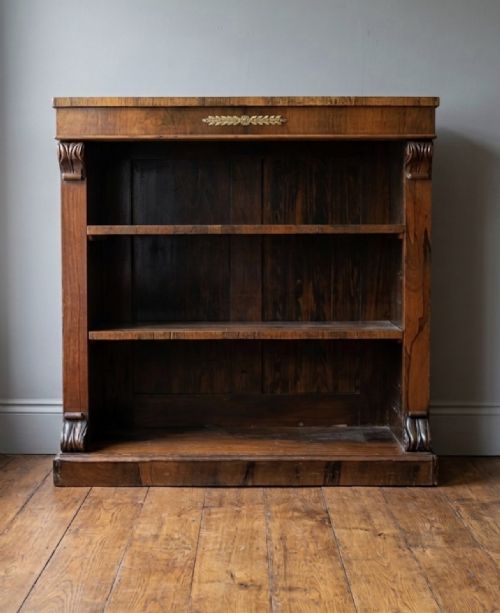


Regency Style Rosewood Cabinet
A regency style rosewood cabinet brings rich timber grain and polished brass detail to a room, offering both display space and concealed storage.
Regency Style Rosewood Cabinet
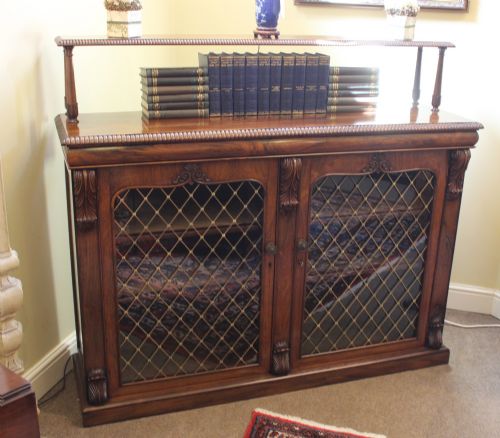
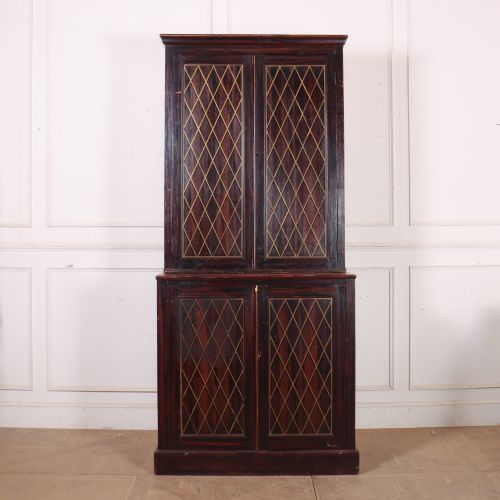
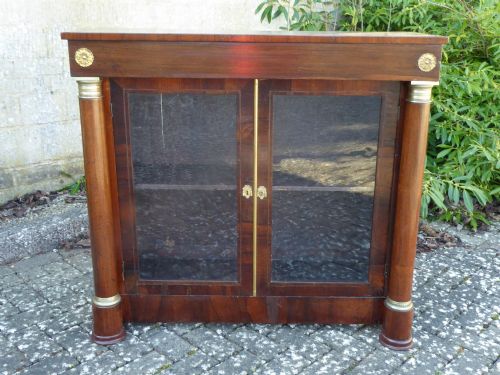
When you search for a regency style rosewood cabinet, you encounter pieces that span the nineteenth century and later revival periods, including bookcase hybrids, chiffoniers and low side cabinets. These items serve as functional storage and display surfaces, often featuring glazed or grill doors alongside open shelving.
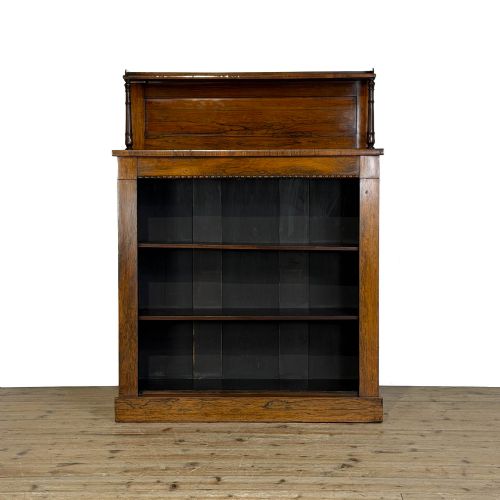
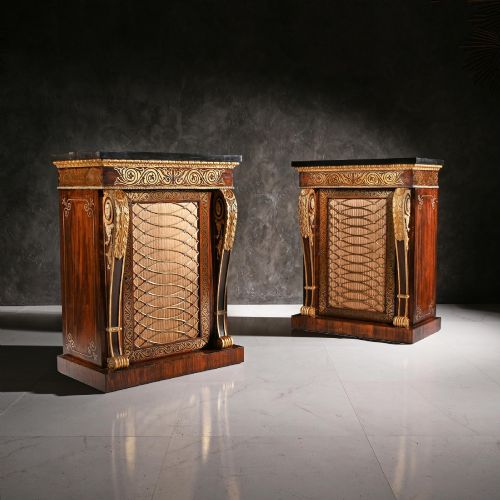
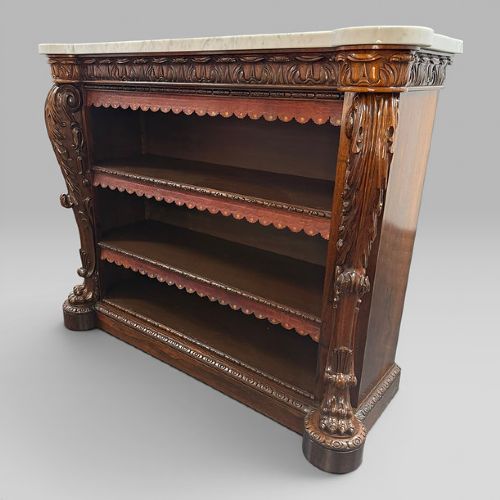
The version you are most likely to meet on this page is the open bookcase or side cabinet from the nineteenth century, executed in rosewood veneer and frequently accented with brass inlay. Later revival iterations from the early twentieth century also appear, carrying forward the architectural proportions of the earlier eras.
Assessing quality in rosewood cabinetry
The depth and consistency of the rosewood grain set the foundation for a piece, alongside the precision of the brass inlay work. Smoother execution in the joinery and cabinetry marks out superior examples.
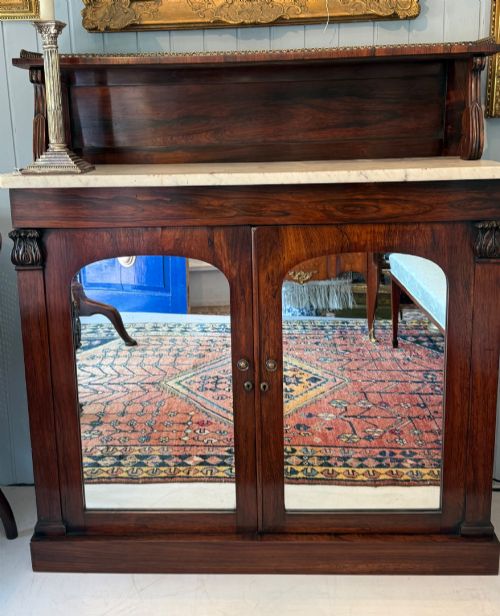
Proportion and architectural balance distinguish finely constructed pieces from simpler utilitarian items. The integration of secondary materials like marble or gilt bronze further elevates a cabinet within its period.
Several bookcases include leather dummy books, a clever Victorian device used to conceal actual storage compartments behind false spines.
Louis Constantin Le Gaigneur·Gillows
The Regency Style Rosewood Cabinet Glossary
- Chiffonier
- A low sideboard or cabinet featuring a combination of drawers, cupboards and frequently a shelf superstructure supported on pillars.
- Breakfront
- A cabinet design where the central section projects forward from the flanking wings, creating visual rhythm across the facade.
- Grill front
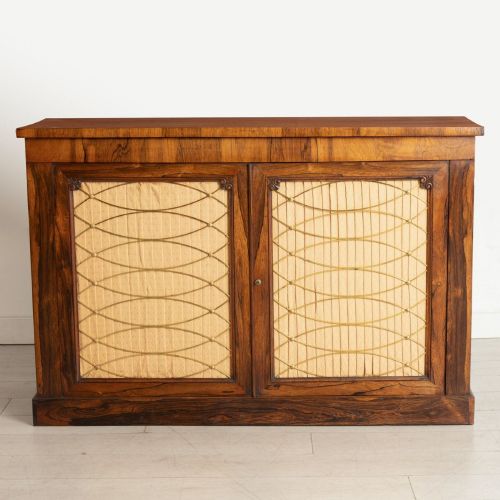
- Cabinet doors set with fine brass wire mesh rather than glass or solid wood, allowing ventilation while concealing contents.
- Parquetry
- Geometric patterns formed by the arrangement of small pieces of wood veneer across a surface.
- Parcel gilt
- Portions of a piece highlighted with a thin application of gold leaf, contrasting with the dark rosewood body.
Regency Style Rosewood Cabinet: Frequently Asked Questions
How do I care for rosewood?
Keep rosewood furniture away from direct sunlight and heat sources to prevent the timber and veneers from drying out or splitting. Dust regularly with a soft, dry cloth and avoid harsh chemical polishes.
Condition the wood periodically with appropriate natural waxes to maintain the lustre of the grain. Protect surfaces from moisture by using coasters under glasses and vessels.
Where should I place a side cabinet?
A side cabinet suits principal living areas, dining rooms or hallways where it can anchor a wall space. Low bookcases and chiffoniers function well beneath artwork or mirrors.
Ensure the room humidity remains relatively stable to protect antique veneers. Allow adequate clearance around doors and drawers for unhindered access.
What is the difference between an original and a revival piece?
Original pieces date from the nineteenth century, displaying period construction techniques and timber seasoning methods. Revival pieces date from later periods such as the early twentieth century, imitating the earlier aesthetics.
Examination of the internal secondary woods, fixings and wear patterns helps distinguish the manufacturing era. Both categories offer distinct historical interpretations of the design.
Can I use an open bookcase for display?
Open bookcases provide accessible shelving for books and decorative objects, making them practical for everyday use. The adjustable or fixed shelves accommodate varied collection sizes.
Balance heavy volumes with lighter decorative items to maintain visual equilibrium across the tiers. Position the shelving unit on level flooring to ensure stability.