





Regency Style Commode
A regency style commode brings architectural dignity to a room, offering generous storage through refined proportions and classic timber surfaces.
Regency Style Commode
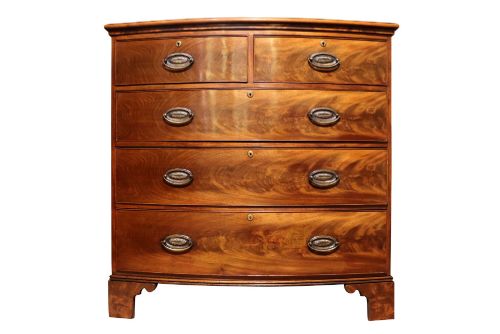
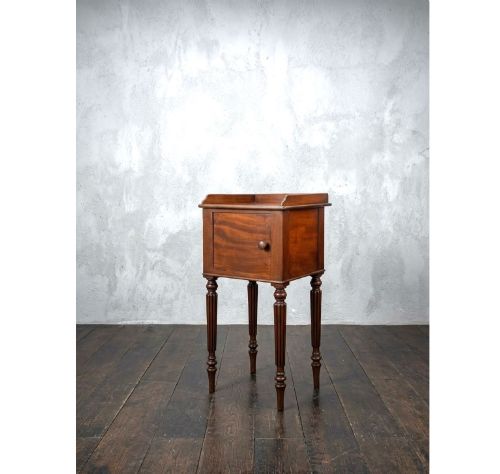
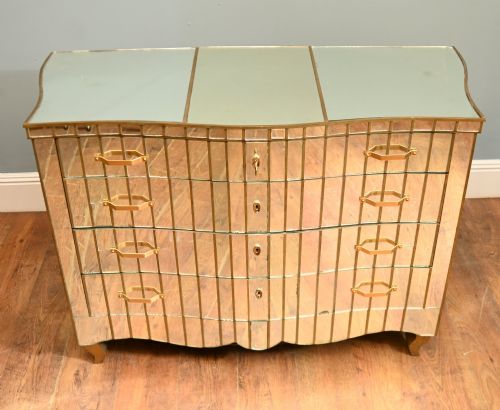
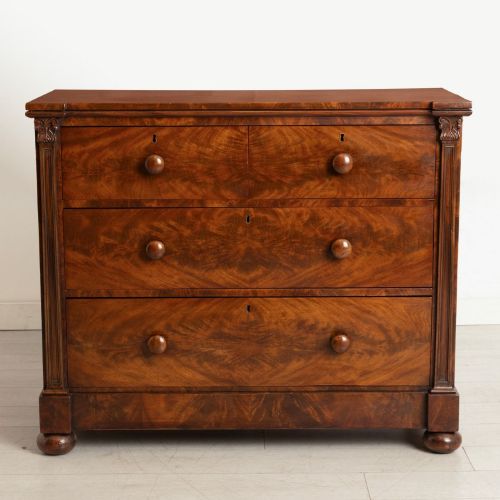
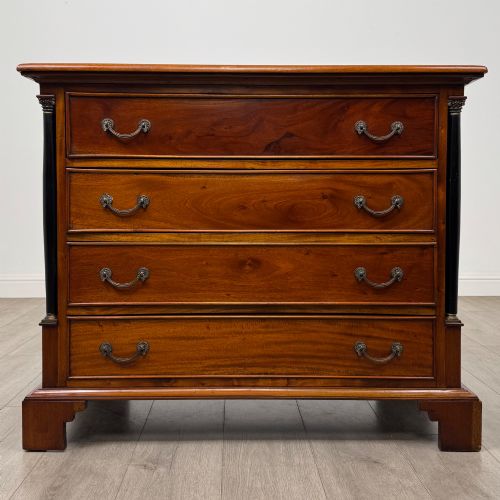
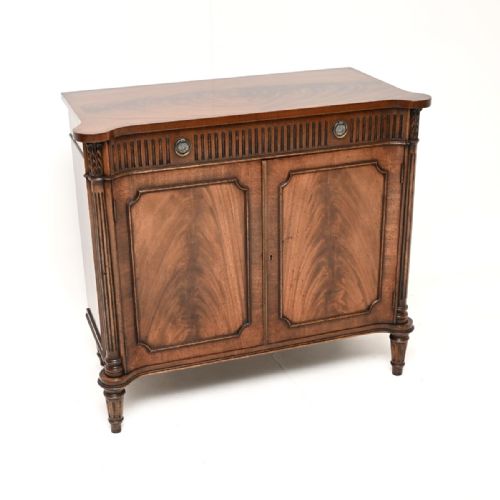
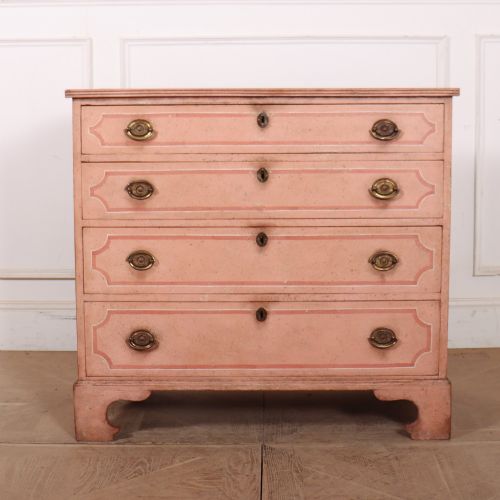
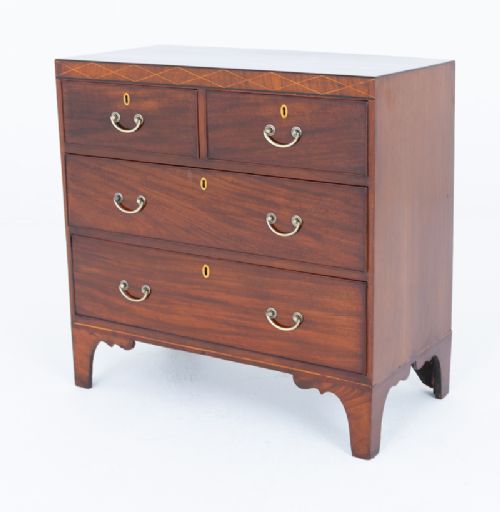
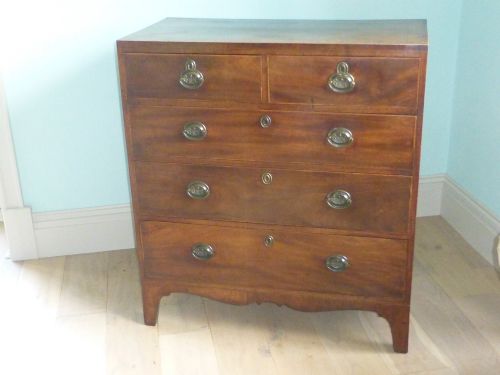
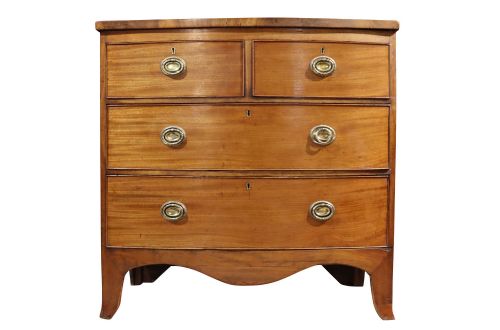
When you search for a regency style commode, you encounter a selection of chests of drawers, side cabinets, and bedside cabinets that span the 18th century, the Regency period, the Victorian era, and the 20th century. The pieces you meet most often on this page take the form of mahogany chests of drawers, alongside painted wooden items and marble-topped variants.
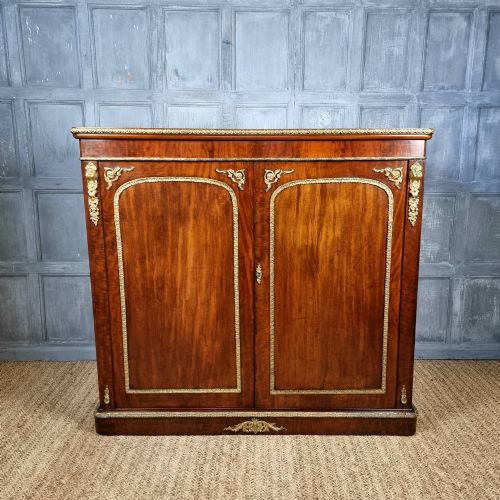
The aesthetic draws on Regency, Georgian, Louis XV style, and English country traditions. Makers from various eras interpreted these classical lines, producing everything from compact bow front chests to large marble-topped commodes with ormolu mounts.
What varies in quality
The distinction between tiers rests upon the selection of timber figures and the precision of the cabinetwork. Pieces utilising highly figured flame mahogany or intricate inlay demand superior carpentry skill compared to plain secondary woods.
Hardware and secondary materials also set examples apart, with heavy cast brass handles, crisp ormolu mounts, and fitted marble tops marking out the more ambitious workshops from standard domestic production.
Regency Style Commode Retail Price Guide 2026
Typical asking prices for regency style commode among the pieces listed under this phrase on Sellingantiques today, from the lower quarter to the upper quarter. They describe what is for sale here now, not the wider market.
One cabinet includes paw feet, allowing your storage to stand on tiptoe.
Gillows
The Regency Style Commode Glossary
- Bow front
- A cabinet front that curves outward in a convex shape. This profile softens the corners of a room and gained popularity during the Georgian and Regency eras.
- Ormolu
- Gilded bronze cast and chased into decorative mounts. It adorns the corners and drawer fronts of high-status commodes.
- Flame mahogany
- Mahogany veneer cut from the fork of the tree where the branches join the trunk. This slicing method produces a distinctive swirling, flame-like grain pattern.
- Demi-lune
- Half-moon shaped in plan. Side cabinets and commodes built to this profile sit flush against a wall.
- Japanned
- European imitation of East Asian lacquerwork. Artisans applied multiple layers of varnish and painted motifs onto a wooden substrate.
Regency Style Commode: Frequently Asked Questions
What is a regency style commode?
A regency style commode is a storage chest or cabinet that channels the classical elegance, symmetry, and restrained ornamentation associated with the early 19th century. These pieces function primarily as chests of drawers or side cabinets in living spaces and bedrooms.
They draw on Georgian and continental design influences, utilising figured timbers, curved fronts, and decorative mounts. The category includes both period originals and later revivals inspired by the same aesthetic.
Where should I place a commode?
These cabinets suit hallways, living rooms, and bedrooms where surface space and storage are both required. A bow front or demi-lune version fits neatly against flat walls without protruding too far into a walkway.
Marble-topped variants handle damp items or objects well, making them practical for display purposes. Placing one away from direct sunlight and heat sources protects the timber veneers and polished finishes.
How do I identify a Regency period piece?
Authentic period pieces show construction methods and timber selections consistent with the early 19th century. Look for hand-cut dovetails in the drawer construction and traditional timber framing rather than modern fasteners.
Stylistic markers include architectural symmetry, brass ring handles, and minimal carved detail. Comparing the secondary woods inside the drawers helps confirm the age of the piece.
How do I care for mahogany surfaces?
Maintain mahogany and flame mahogany surfaces by dusting them regularly with a soft, dry cloth. Avoid using silicone-based sprays, which build up over time and dull the grain.
Feed the timber occasionally with appropriate wax to nourish the polish and protect against drying out. Keep the piece in a room with stable humidity to prevent the wood from warping or splitting.