


Regency Style Brass Clock
These pieces of regency style brass clock bring together precise metalwork and period design, offering a striking functional centrepiece for a mantel or desk.
Regency Style Brass Clock
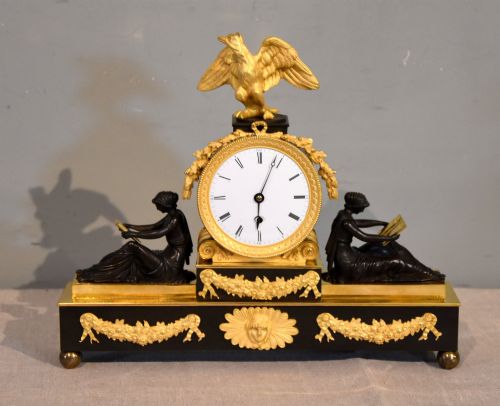
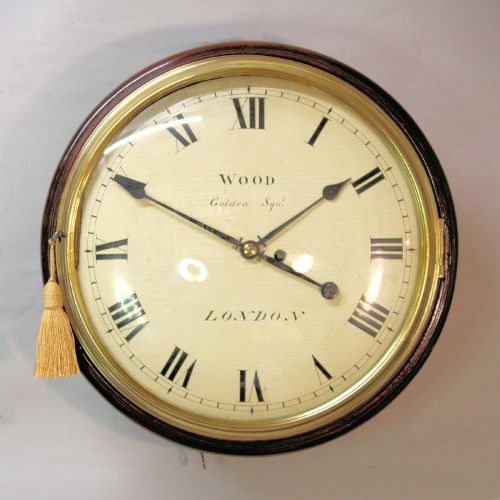
When you search for a regency style brass clock, you encounter timepieces that draw upon the neoclassical motifs and clean lines of the early nineteenth century. These objects include mantel clocks, wall clocks, and smaller table timepieces housed in brass, ormolu, and patinated bronze.
The pieces listed on this page range from genuine Regency creations and Georgian examples to later revivals from the nineteenth century and subsequent decades. Many incorporate classic forms such as fusee movements, balloon cases, and bracket clock silhouettes.
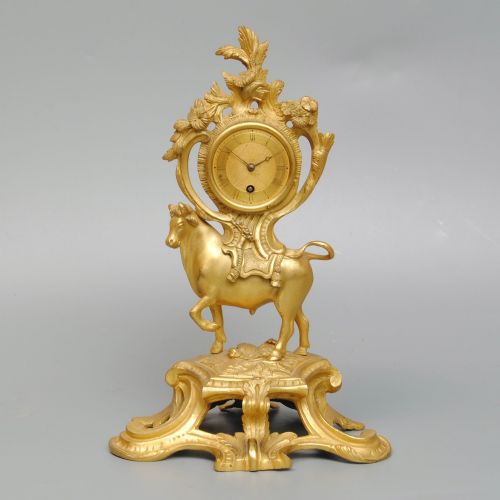
You will also find variations that incorporate French Empire and Rococo Revival influences alongside traditional English craftsmanship. Each version brings a distinct weight and character to interior spaces through the use of gilt bronze, mahogany, and silvered metal dials.
What varies in quality
The distinction between tiers of quality rests largely on the crispness of the cast metalwork and the complexity of the internal movement. Finer examples display deeply chased ormolu and patinated bronze figures with sharp relief, whereas simpler versions rely on smoother, less articulated surfaces.
Another factor is the integration of the movement, such as the presence of a chain fusee mechanism rather than a standard spring setup. The choice of materials, from solid mahogany and heavy cast brass to lighter substitute metals, further defines the grade of the piece.
Some models feature resting lions or cherubs keeping watch beside the dial, ensuring your clock has a silent companion through the night.
Baetens London·Viner London·John Barwise·Paul Philip Barraud·McCabe London·James Murray London·Henry Berkeley Square·FB Adams London·Bently & Beck London·Thwaites & Reed
The Regency Style Brass Clock Glossary
- Fusee
- A conical pulley used in mechanical clocks to equalise the torque of the mainspring as it unwinds. This mechanism ensures more consistent timekeeping throughout the power reserve.
- Ormolu
- Finely ground high-carat gold applied to a bronze base using a mercury amalgamation process. This technique produces a durable, rich golden finish characteristic of luxury objects from the period.
- Bracket clock
- A portable table clock originally designed to sit upon a wall bracket. These pieces often feature sturdy carrying handles and sophisticated striking or time-only movements.
- Silvered metal
- A brass or copper dial treated with a silver compound to produce a bright, reflective surface. The numerals and markings are typically engraved and filled with dark wax for legibility.
Regency Style Brass Clock: Frequently Asked Questions
What is a fusee movement?
A fusee movement is a traditional mechanical system that uses a conical drum and a chain to regulate the power delivered from the mainspring. This keeps the driving force steady as the spring loses tension.
You find this system in many of the higher quality English clocks from the period, distinguishing them from simpler spring-driven alternatives.
How do I wind these clocks?
Winding typically involves inserting a small key into the dial aperture and turning it gently until resistance is felt. Care must be taken not to overwind the mainspring.
Most single or double fusee clocks require careful handling to maintain the tension in the chain or cord driving the mechanism.
Where should I place a mantel clock?
These clocks sit best on a level surface such as a mantelpiece, sideboard, or sturdy desk where they face minimal vibration. A stable base ensures the pendulum or balance wheel keeps an even beat.
Keep them away from direct sunlight and damp environments to protect the brass, gilding, and wood casings over time.
How do I tell Regency from later revivals?
Original Regency pieces date from the early nineteenth century and display specific neoclassical proportions, authentic movement signatures, and period-appropriate patination. Later revivals from the late nineteenth century or mid-twentieth century often reproduce these forms with different internal components.
Examining the casting quality of the ormolu and the engraving on the silvered dial helps clarify the period of manufacture.