


Regency Sterling Silver
Regency sterling silver brings together the precision of Georgian smithing and the expressive ornament of the early nineteenth century.
Regency Sterling Silver
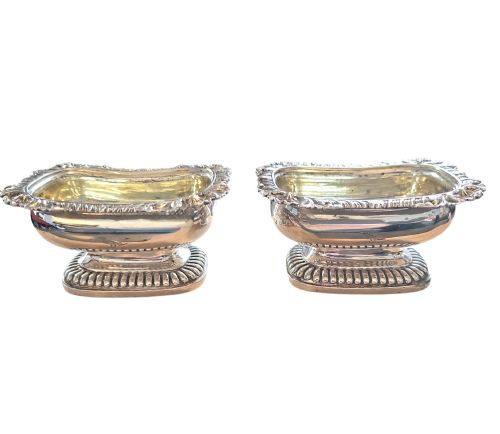
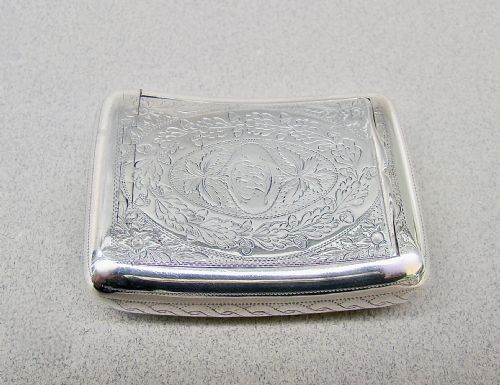
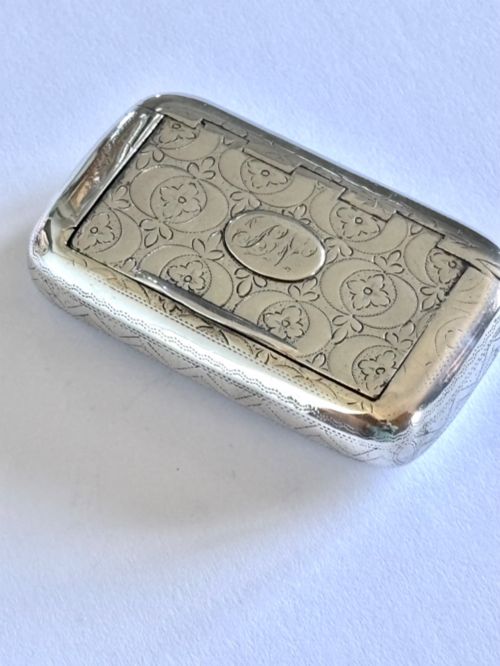
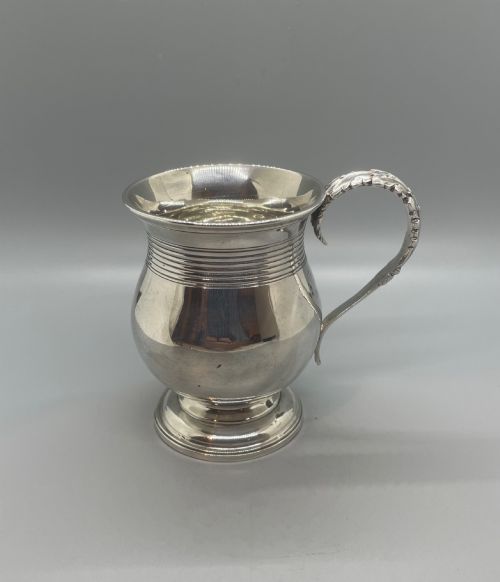
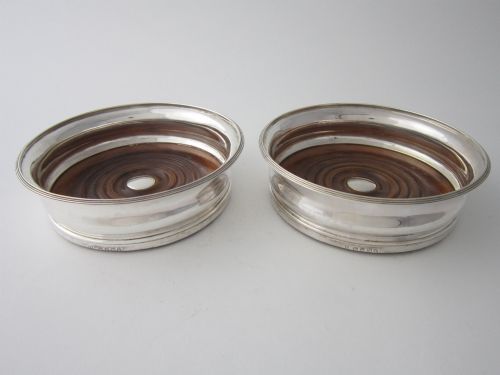
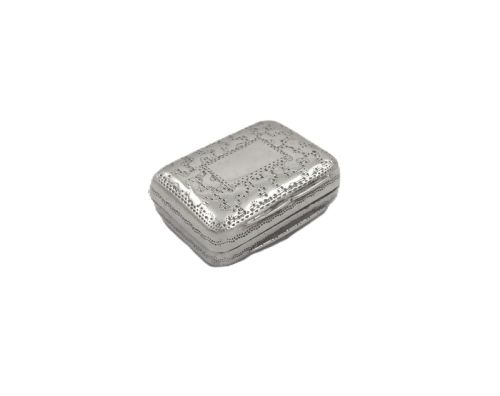
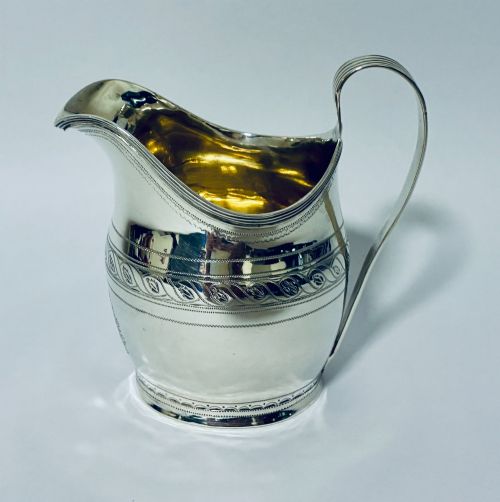
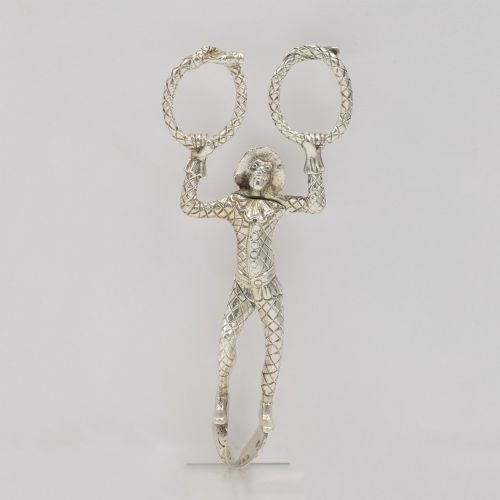
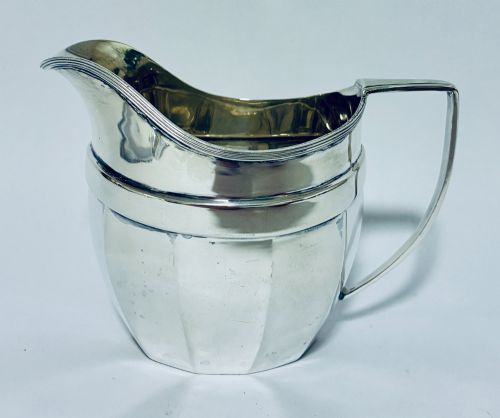
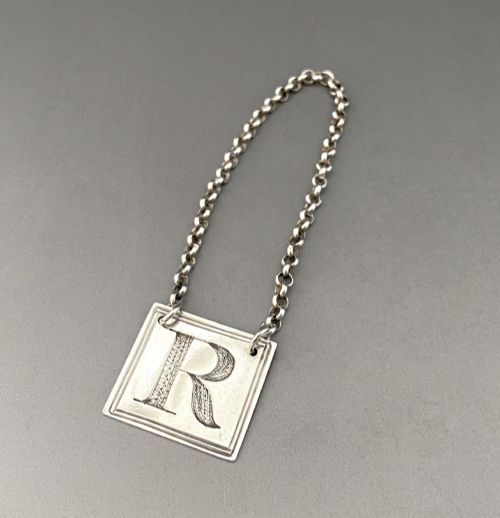
When you search for regency sterling silver, you encounter functional dining table items, pocket accessories, and decorative tableware produced during the reigns of George III and George IV. The selection spans small items such as caddy spoons, vinaigrettes, and decanter labels alongside larger forms like tea sets, coffee pots, salvers, and cruet stands.
Most pieces date from the early nineteenth century, specifically the Regency period and the surrounding decades of the 1800s to 1830. You will frequently meet utilitarian items designed for hospitality and personal grooming, often shaped with crisp borders and classical motifs.
How they were made
The objects are formed from solid sterling silver, occasionally accented with gold gilt or silver gilt interiors and details. Makers utilised techniques such as casting, raising, and hand-engraving to shape the metal into complex forms like vine leaf caddy spoons and feathered soup ladles.
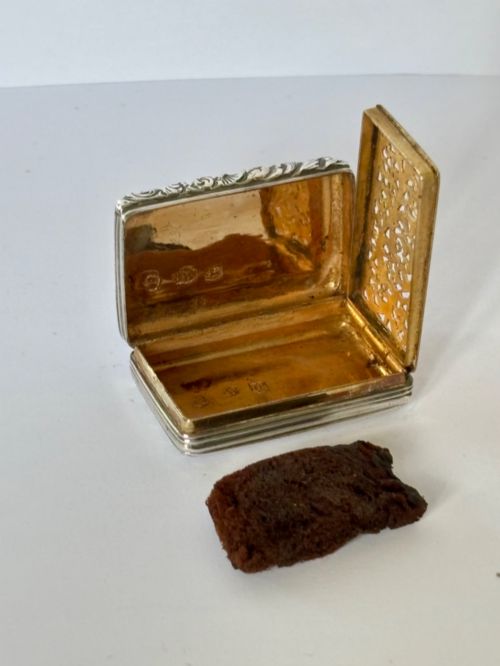
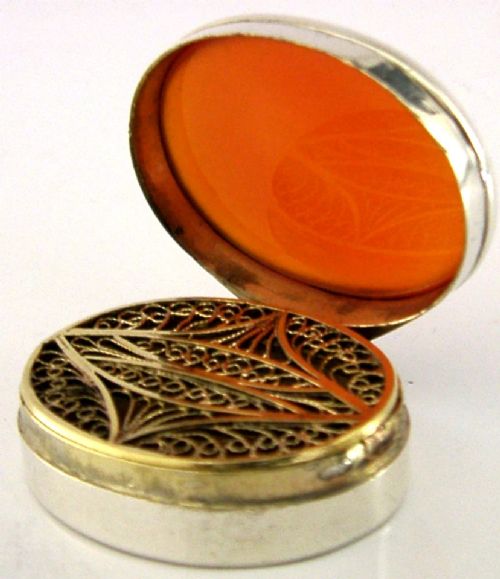
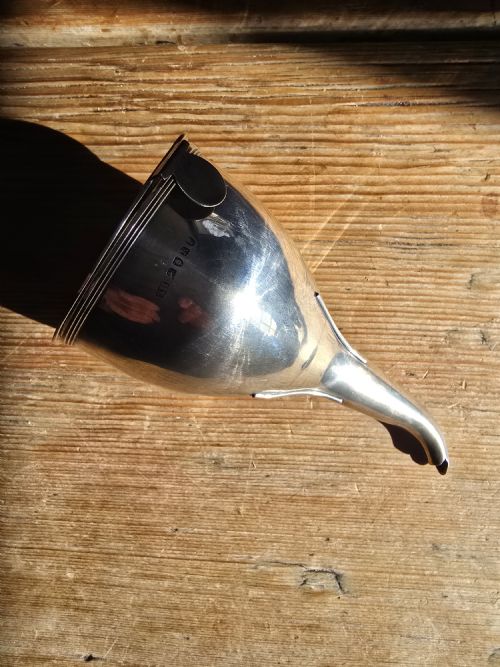
Certain pieces incorporate supplementary materials like wood, silk, velvet, or stones such as orange agate to provide contrast and structure. Hallmarks stamped directly into the silver record the assay office, date letter, and silversmith's mark.
Regency Sterling Silver Retail Price Guide 2026
Typical asking prices for regency sterling silver among the pieces listed under this phrase on Sellingantiques today, from the lower quarter to the upper quarter. They describe what is for sale here now, not the wider market.
Provincial workshops from Scottish and English towns are represented alongside London assay office pieces.
What varies in quality
Quality rests in the crispness of the chasing, the weight of the silver relative to the object's size, and the clarity of the hallmarks. Pieces produced by prominent workshops display deeply struck marks and meticulous attention to small details such as crest engraving and spring mechanisms.
The integrity of applied ornament, from threaded borders to pierced gallery work, separates standard production items from masterworks. Preservation of original gilding and the absence of distortion in thin-walled items like cream jugs and vinaigrette grilles also determine the standing of a piece.
Joseph Willmore·Solomon Hougham·William Burwash·John Bettridge·Matthew Boulton·Paul Storr·Benjamin Smith·Craddock and Reid·Nathaniel Mills
The Regency Sterling Silver Glossary
- Vinaigrette
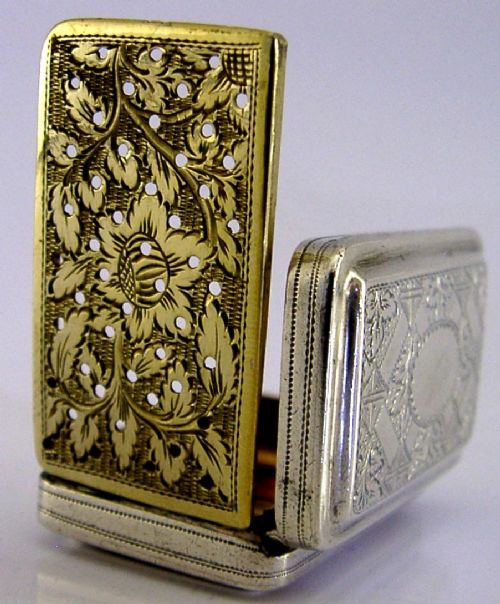
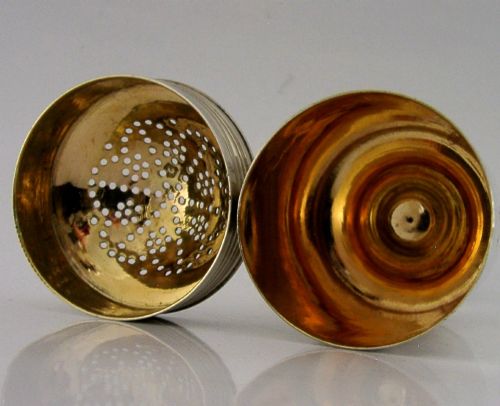
- A small pocket box featuring a perforated internal grille, designed to hold a sponge soaked in aromatic vinegar.
- Caddy Spoon
- A short-handled spoon specifically created for measuring dry tea leaves from a caddy into a teapot.
- Cruet Stand
- A frame holding multiple bottles or cruets for condiments, typically fitted with a central carrying handle.
- Silver Gilt
- Sterling silver that has been coated with a thin layer of gold on its surface, also known as vermeil.
- Hallmark
- A series of official marks stamped on precious metals to guarantee the standard of purity and identify the maker and year.
Regency Sterling Silver: Frequently Asked Questions
What is a regency silver vinaigrette used for?
Vinaigrettes served as personal pocket accessories for carrying scented vinegar during the nineteenth century. The owner opened the outer lid to reveal a pierced internal grille through which the aroma escaped.
These small boxes were carried in pockets or reticules for use in crowded or unpleasant environments. Many feature gilt interiors to protect the silver from the corrosive nature of the vinegar.
How do I identify regency silver hallmarks?
British hallmarking during this period typically involves a series of stamped symbols indicating the standard, the assay office city, and the date letter. You will often find a leopard head or anchor alongside a lion passant.
Matching the stamped date letter against assay office records reveals the exact year of production. Maker's marks, consisting of initials in a stamp, indicate the silversmith or workshop responsible.
How do I care for sterling silver tableware?
Silver requires gentle cleaning using non-abrasive cloths and specialised silver polishes to remove tarnish without scratching the metal. Storing pieces in dry environments prevents rapid oxidation.
Items with applied gilding or delicate elements like velvet linings demand extra care to avoid moisture damage. Regular handling and use naturally keep high-contact areas bright.
What distinguishes george iii silver from george iv silver?
George III pieces often reflect classical restraint, featuring neat bright-cut engraving and balanced proportions. As the style shifted toward the Regency and George IV periods, ornament became heavier and more botanical.
Both eras fall within the broader umbrella of regency silver design, sharing high standards of British smithing. Maker marks and assay date letters provide the definitive separation between the two reigns.