
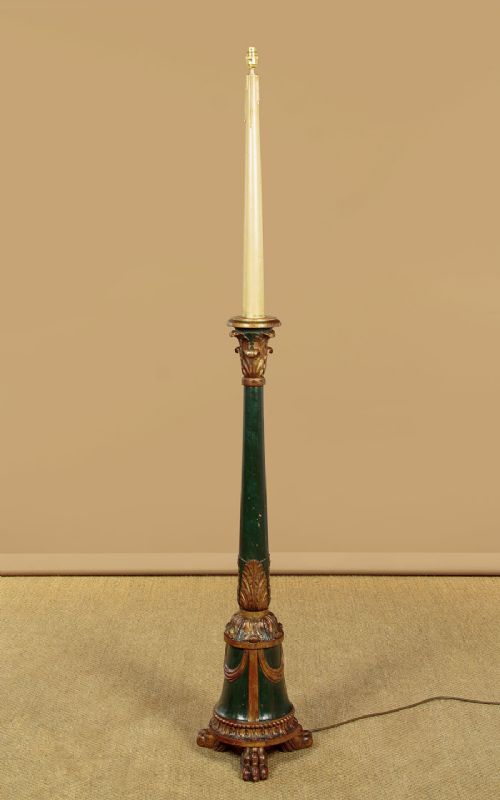


Regency Standard Lamp
A regency standard lamp brings architectural presence and adjustable height to a room, turning practical illumination into a piece of furniture.
Regency Standard Lamp
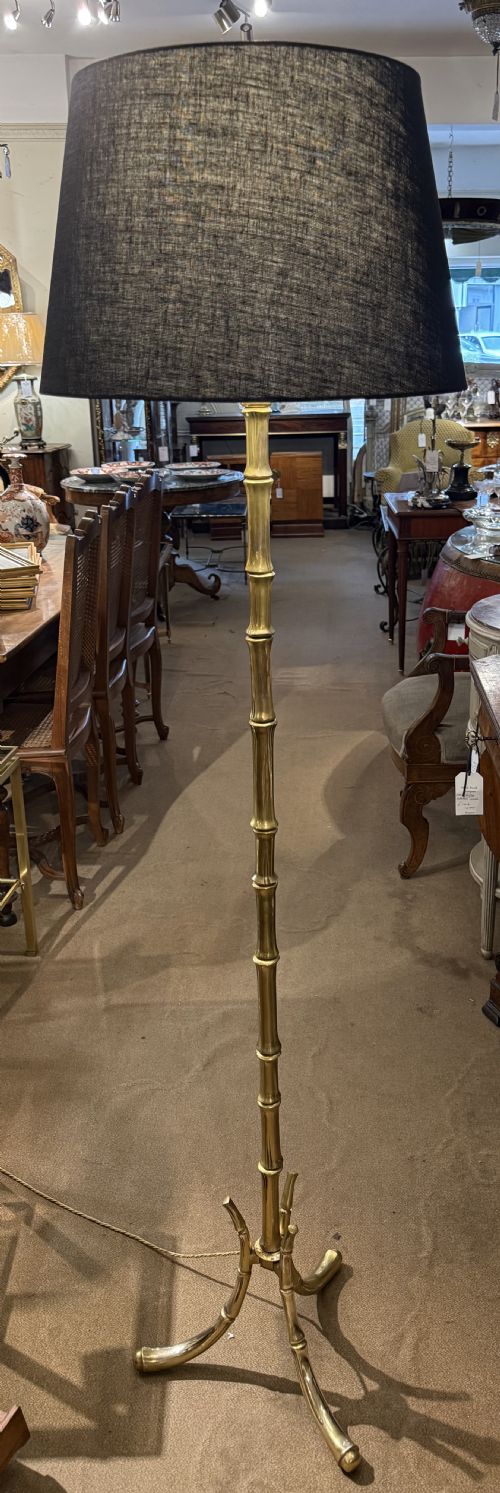
When you search for a regency standard lamp, you are looking at tall floor-standing lighting fixtures that draw upon nineteenth-century neoclassical design and later twentieth-century revivals. These pieces frequently manifest as heavy brass columns, carved giltwood, or rich mahogany stands designed to anchor a corner or sit beside a reading chair.
The versions you are most likely to meet on this page span from nineteenth-century originals and adaptations to twentieth-century revivals dated around the 1930s. Alongside traditional floor-standing columns, you will encounter pieces converted from earlier furnishings such as pole screens and table lamps, reflecting a long history of domestic adaptation.
Materials and construction
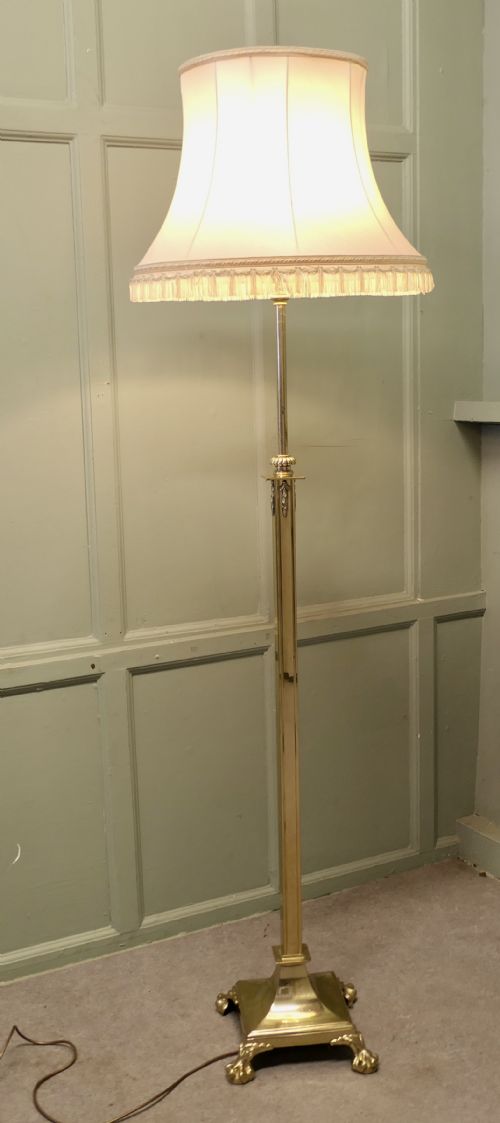
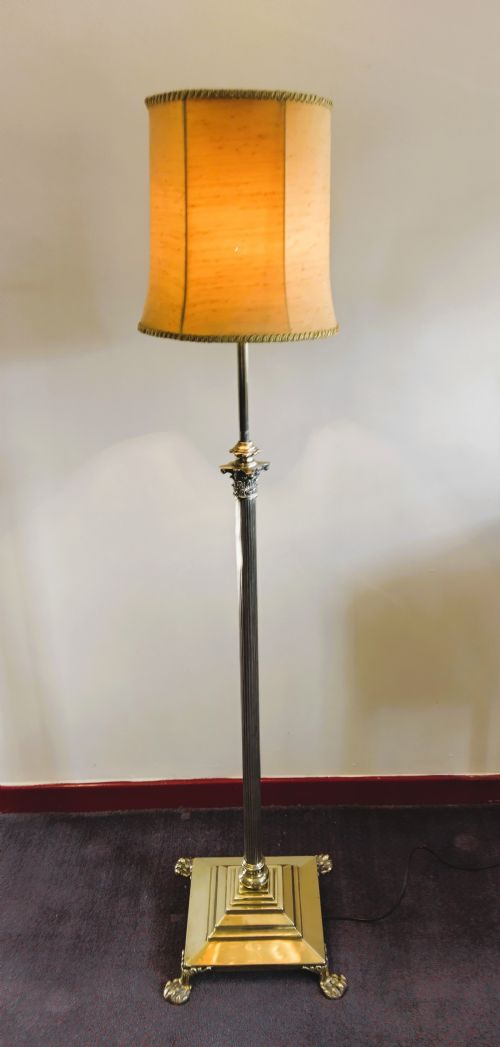
The construction of these lamps relies heavily on cast and turned brass, often paired with mahogany, giltwood, or parcel gilt finishes. Metalworking techniques allowed for telescopic height adjustment and twin-arm configurations, while wooden variants utilised traditional turning and carving methods.
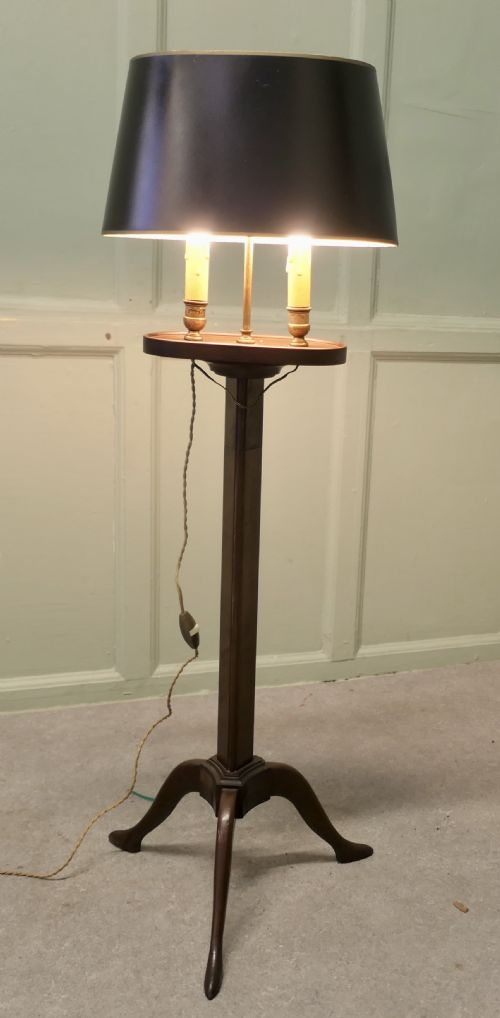
Many surviving examples incorporate historical adaptations, where older lighting mechanisms, bouillotte fittings, or pole screens were converted to hold electrical components while retaining their original aesthetic integrity.
Regency Standard Lamp Retail Price Guide 2026
Typical asking prices for regency standard lamp among the pieces listed under this phrase on Sellingantiques today, from the lower quarter to the upper quarter. They describe what is for sale here now, not the wider market.
Listings feature materials spanning brass, gilt bronze, fabric, mahogany, and painted metal across periods from the nineteenth century through the 1930s.
What separates the better pieces
Quality in these standard lamps rests on the weight of the metal, the crispness of the neoclassical casting or wood carving, and the structural stability of the central shaft. Heavy brass bases and substantial timber columns provide the necessary balance for tall frames.
Subtlety of finish also dictates the tier of the piece, where genuine nineteenth-century patination or careful twentieth-century gilt and lacquer work distinguishes an ambitious design from a purely utilitarian standard.
Maison Bagues
The Regency Standard Lamp Glossary
- Standard lamp
- A tall floor-standing lamp designed to illuminate a room from a fixed position. These pieces elevate the light source above table height to cast a wider illumination.
- Neoclassical
- A style inspired by classical antiquity, prominent in nineteenth-century design and later revivals. It utilises clean architectural lines, urn motifs, and classical proportions.
- Bouillotte lamp
- A traditional adjustable candle lamp style adapted for modern electrical use. These typically feature twin or multiple arms and a central adjustable shade mechanism.
- Pole screen
- A nineteenth-century adjustable screen mounted on a vertical pole, often converted into a standard lamp by replacing the screen with a light fitting.
Regency Standard Lamp: Frequently Asked Questions
What is a regency standard lamp?
A regency standard lamp is a tall floor-standing lighting fixture drawing on neoclassical design principles, featuring materials like brass, mahogany, and giltwood.
These pieces range from nineteenth-century originals to twentieth-century revivals, often incorporating adjustable mechanisms or adapted historical forms.
Can I adjust the height?
Many examples include telescopic brass mechanisms that allow the overall height of the lamp to be raised or lowered according to your preference.
This functional adaptability was a common feature in nineteenth-century and early twentieth-century floor lighting design.
What does adapted mean in a listing?
An adapted lamp is typically a piece of antique furniture or equipment, such as a pole screen or table lamp, that has been converted to function as a modern standard lamp.
These conversions preserve the decorative portions of older items while updating their utility for contemporary interiors.
How do I identify the period?
Dating relies on examining the materials, casting quality, wiring methods, and underlying construction styles, which range from nineteenth-century brass to 1930s revivals.
Neoclassical motifs and nineteenth-century timber turning provide key visual indicators of the era of manufacture.