

Regency Spode Ceramic
Regency spode ceramic pieces bring early nineteenth-century elegance to the table, offering refined porcelain and earthenware crafted for the discerning collector.
Regency Spode Ceramic
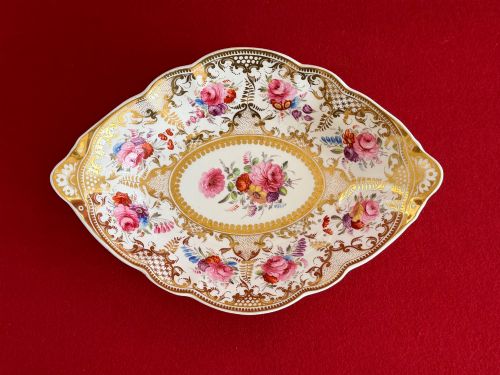
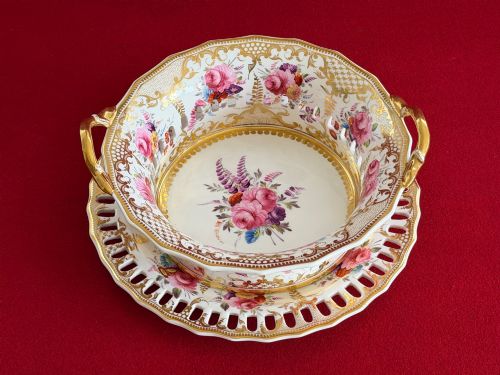
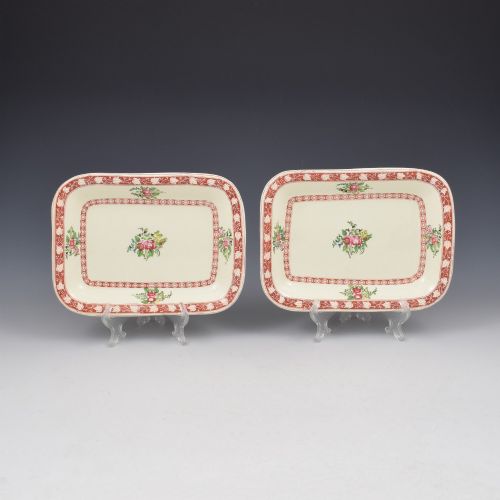
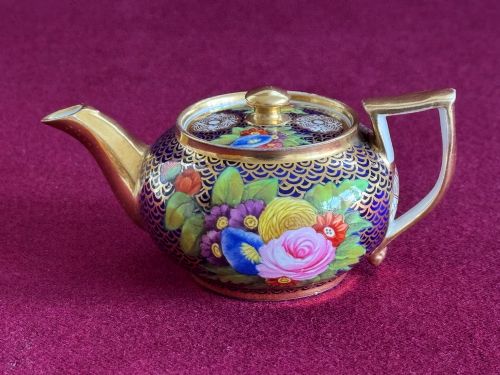
The most common forms you will meet are transfer-printed blue and white meat platters and tea plates alongside richly decorated porcelain items. These wares bridge the late eighteenth century and the Victorian era, spanning specific production dates from around 1800 through to the 1830s.
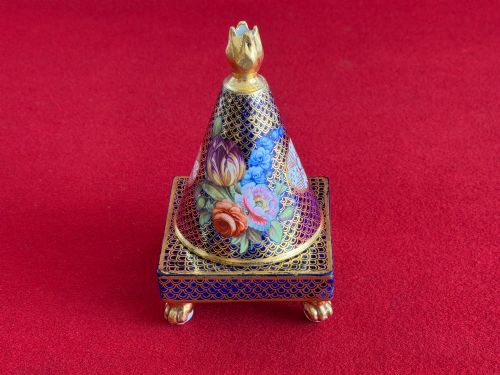
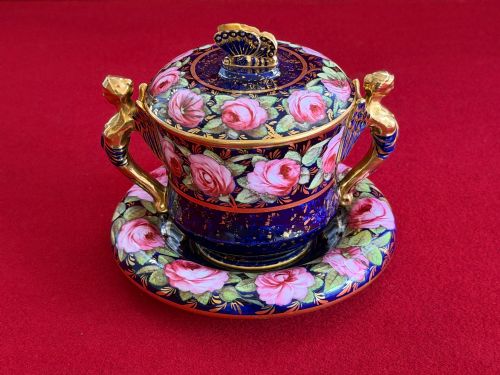
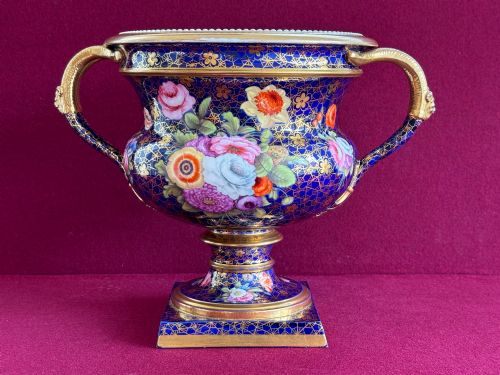
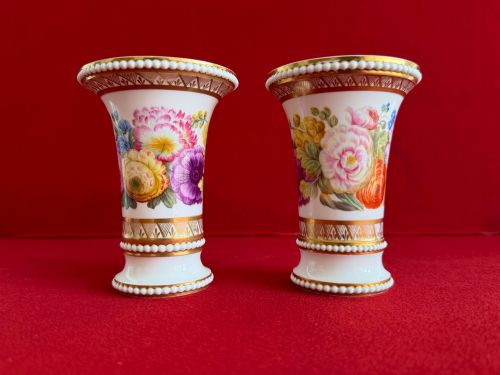
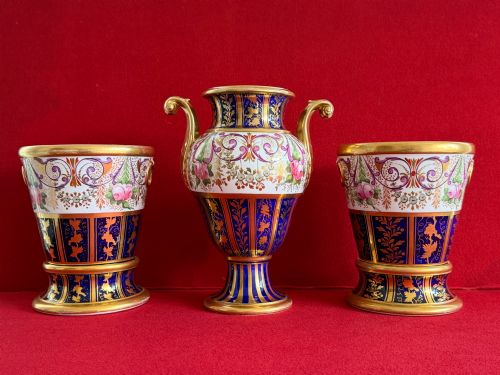
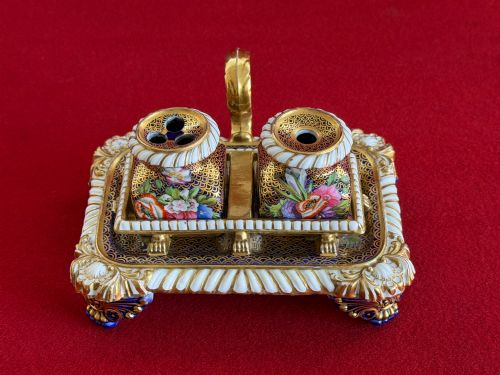
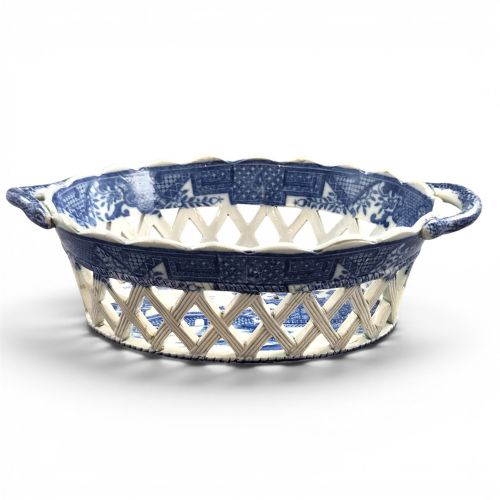
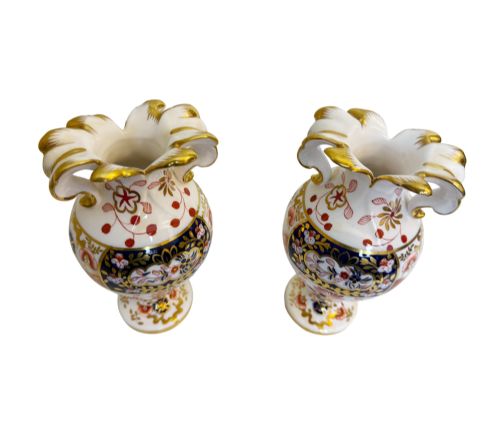
Vessels range from utilitarian blue and white transfer-printed dishes to elaborate garnitures, inkstands, and pastille burners. Collectors encounter both fine porcelain compositions and robust stone china bodies designed for daily household use or display.
Materials and manufacture
Potters utilised fine porcelain, bone china, felspar porcelain, and earthenware bodies to form these vessels. The introduction of specific ceramic bodies allowed the factory to achieve both delicate translucency and robust durability.
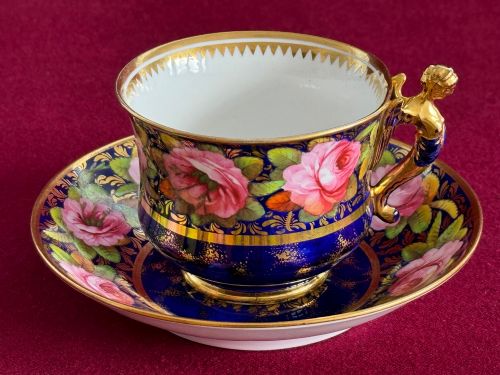
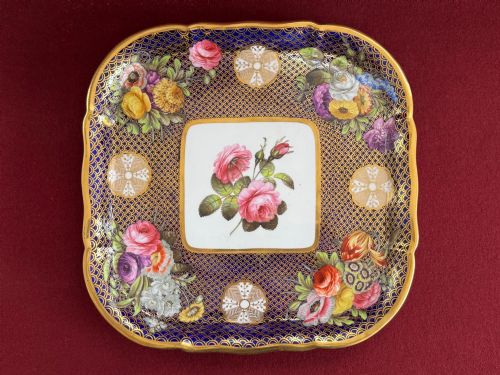
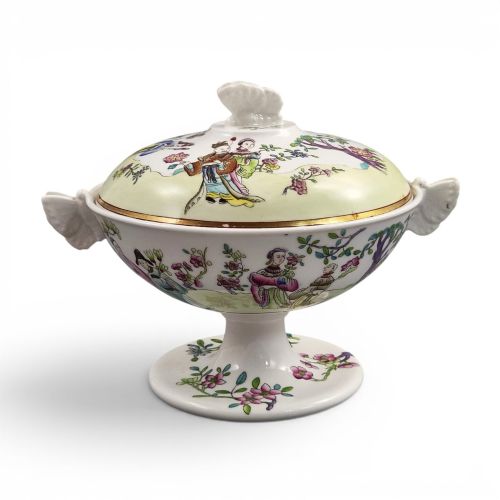
Decoration relied heavily on hand-painted enamels, gilding with gold leaf, and detailed transfer printing. Skilled artisans applied polychrome patterns such as Imari designs and chinoiserie motifs directly onto the glazed surfaces.
Regency Spode Ceramic Retail Price Guide 2026
Typical asking prices for regency spode ceramic among the pieces listed under this phrase on Sellingantiques today, from the lower quarter to the upper quarter. They describe what is for sale here now, not the wider market.
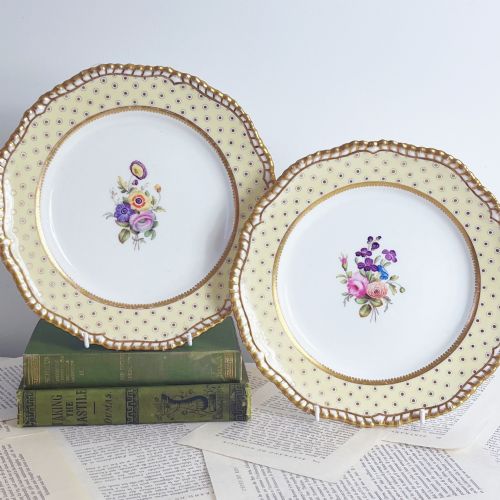
Some cabinet plates record dramatic historical moments, including the rather grimly titled Death of the Bear pattern.
Assessing quality and execution
The distinction between standard domestic wares and top-tier cabinet pieces lies in the precision of the hand painting and the complexity of the pattern. Pieces featuring intricate gilding, specific numbered patterns, and sculptural elements represent the finest output of the workshops.
The clarity of the transfer printing and the smoothness of the porcelain body dictate the overall standard of the object. Superior examples display crisp cobalt blues without smudging, perfectly balanced potting, and carefully finished glazes.
Spode·Copeland and Garrett
The Regency Spode Ceramic Glossary
- Felspar porcelain
- A patented ceramic body introduced to improve durability and whiteness while maintaining translucency. It allowed potters to create thinner vessels that retained structural strength.
- Sucrier
- A small covered sugar bowl designed to match tea services of the period. These vessels often feature twin handles and detailed painted or printed borders.
- Transfer printing
- A mechanical decoration technique where an engraved copper plate transfers a design onto tissue paper, which is then pressed onto the ceramic biscuit or glaze before firing.
- Imari
- A decorative style inspired by Japanese export porcelain, characterised by a palette of cobalt blue, iron red, and abundant gold leaf. It remained immensely popular throughout the Regency era.
- Garniture
- A set of three or more matching vases or urns designed to be displayed together on a mantelpiece or sideboard. They serve purely decorative functions within the interior.
Regency Spode Ceramic: Frequently Asked Questions
How do I identify a spode piece?
Look for impressed or painted factory marks on the base, alongside specific pattern numbers written in enamel or script.
The style of the body, whether bone china, stone china, or earthenware, also helps confirm the origin.
What is spode stone china?
Stone china is a durable, opaque hybrid ceramic body developed to compete with imported Chinese porcelain.
It withstands heavier daily use while accepting bright enamel colours and transfer-printed designs effectively.
Are these items safe for daily use?
While these ceramics were originally created for dining and domestic service, age and delicate gilding make modern use inadvisable.
Hand washing and gentle display preserve the historic enamels and prevent damage to the antique glaze.
How do I date a regency ceramic?
Dating relies on recorded pattern numbers, factory mark variations, and stylistic shifts between the Georgian and Victorian eras.
Archival records link specific numbers to exact years of production at the Stoke-on-Trent factory.