

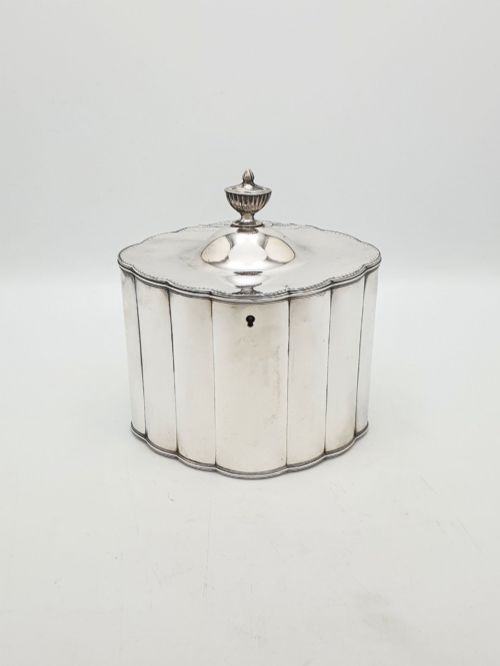


Regency Silver Caddy
These regency silver caddy pieces are refined tea caddies, spoons, and boxes that bring functional elegance to a room.
Regency Silver Caddy
When you search for a regency silver caddy, you encounter Georgian and Regency items spanning tea caddies, caddy spoons, and occasional boxes. The selection centres on tortoiseshell tea caddies, silver caddy spoons, and cut glass vessels.
You are most likely to meet silver caddy spoons and tortoiseshell tea caddies on this page, reflecting the dominant forms from the 1800 and 19th Century periods. These objects served the storage and serving of valuable tea leaves in period homes.
The origin of these pieces sits firmly within the Georgian and Regency eras, using materials such as sterling silver, tortoiseshell, wood, and cut glass. Each form maintains the utility and design language of its original domestic context.
How they were made
Silversmiths utilised sterling silver and parcel-gilt techniques to shape spoons and boxes, applying hand-stamped motifs like vine leaves and grapes. Cut glass vessels were shaped with precise faceting to catch the light.
Tortoiseshell tea caddies relied on delicate sheet application over wood carcases, paired with bone or ebonised wood details. Old Sheffield plating techniques combined copper and silver layers for durable domestic items.
Regency Silver Caddy Retail Price Guide 2026
Typical asking prices for regency silver caddy among the pieces listed under this phrase on Sellingantiques today, from the lower quarter to the upper quarter. They describe what is for sale here now, not the wider market.
Tea was once so valuable that caddies came with tiny locks, keeping household servants from helping themselves to a sneaky leaf.
What varies in quality
Quality depends upon the crispness of the silversmith's chasing and the precision of tortoiseshell application over the wooden core. Finer examples display meticulous control in engraved leaf motifs and well-matched shell veneers.
The selection of materials marks the distinction between standard and superior pieces, particularly in the clarity of cut glass and the depth of parcel-gilt highlights. Superior objects maintain structural integrity alongside fine decorative restraint.
Joseph Willmore·William Rudkins
The Regency Silver Caddy Glossary
- Caddy spoon
- A short-handled spoon specifically designed for measuring loose tea leaves from a caddy into a teapot. These spoons often feature shovel bowls and decorated handles.
- Tortoiseshell
- A material sourced from the shell of certain turtle species, used as a thin veneer over wooden tea caddy boxes. It provides a mottled amber and brown surface pattern.
- Parcel-gilt
- Silver objects that are partially gilded with a thin layer of gold on specific interior or exterior details. This technique highlights particular decorative elements against the silver ground.
- Old Sheffield plate
- A composite material made by fusing a layer of silver to a copper base, popular before the invention of electroplating. It creates durable vessels with a rich metallic lustre.
- Ebonised wood
- Timber treated with a dark finish to resemble ebony, frequently used for contrasting stringing or feet on tortoiseshell caddies.
Regency Silver Caddy: Frequently Asked Questions
What is a regency silver caddy?
A regency silver caddy is a vessel or spoon associated with the storage and preparation of tea during the Georgian and Regency periods. They were essential accessories in wealthy households where tea was a prized commodity.
These pieces encompass tortoiseshell boxes, cut glass vessels, and sterling silver spoons. Their design reflects the aesthetic priorities of the early nineteenth century.
How were tea caddies used?
Tea caddies stored valuable black or green tea leaves under lock and key to protect them from theft and moisture. Servants or hosts used caddy spoons to measure precise amounts into the teapot.
Double tea caddies often featured two internal compartments to keep different tea varieties separate. The key was a crucial part of the caddy's daily operation.
How do I date a tortoiseshell caddy?
Dating relies on observing construction methods, hinge types, and the wood species used for the interior carcase. Regency period examples frequently employ octagonal or bow-fronted shapes with delicate brass stringing.
Material combinations, such as tortoiseshell paired with bone feet or ebonised wood trim, provide further clues to the manufacturing decade. Comparing form with documented examples helps establish the correct era.
What is Old Sheffield plate?
Old Sheffield plate is an early fusion material created by melting a sheet of silver onto a copper ingot before rolling them together. This method produced tableware that predates modern electroplating techniques.
Items made this way exhibit distinct weight and warmth compared to solid silver or later plated wares. Skilled makers utilised this technique to offer accessible luxury.