
Regency Side Credenza
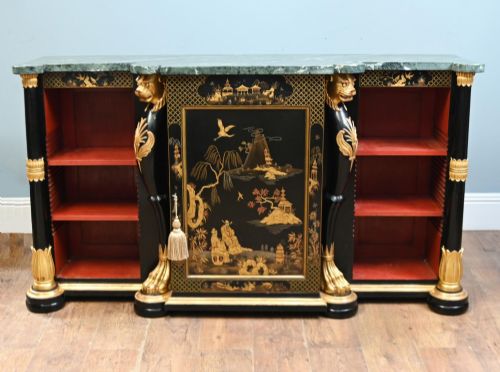
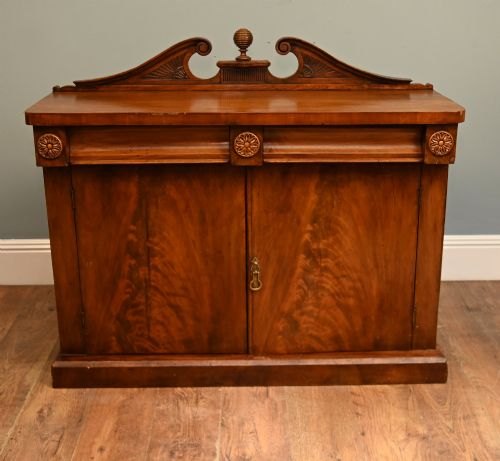
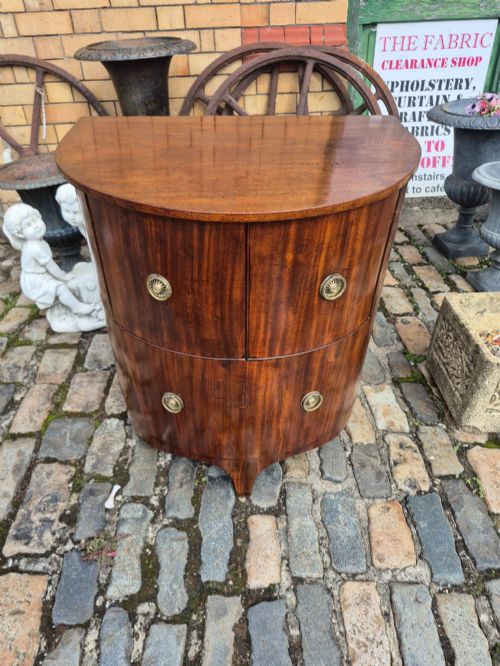
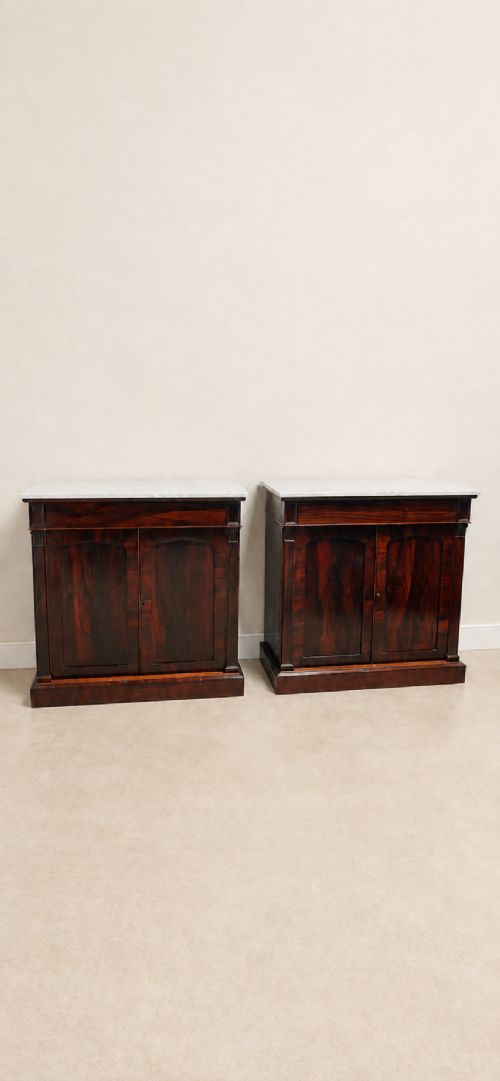
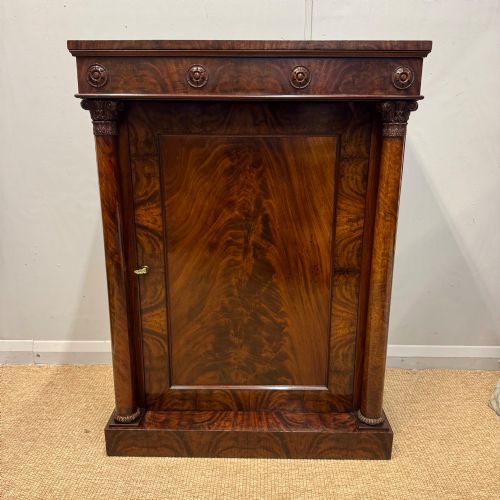
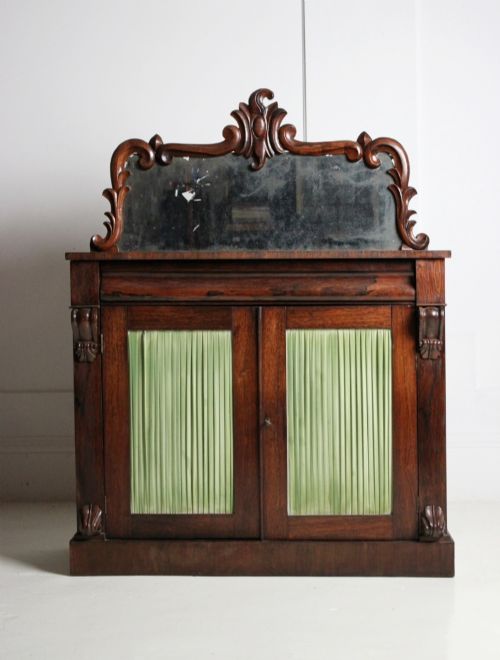
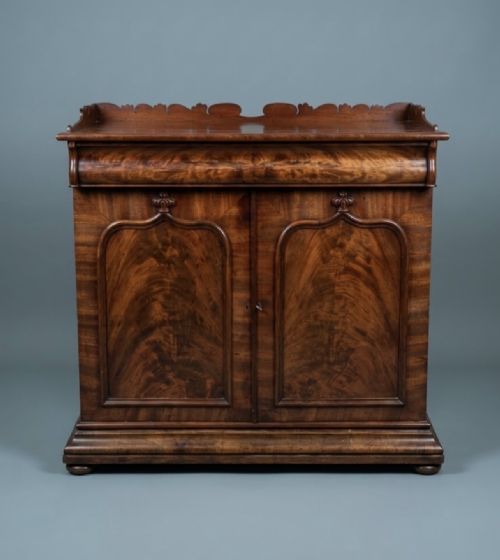
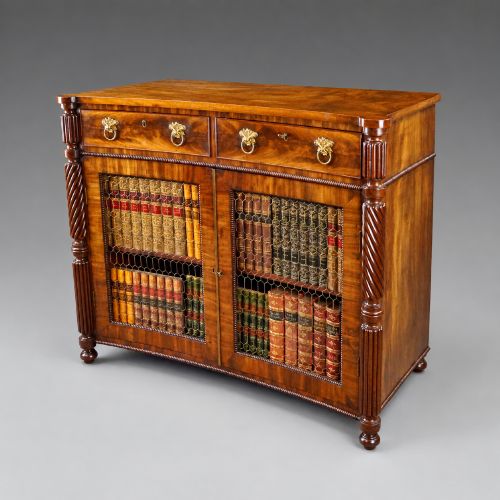
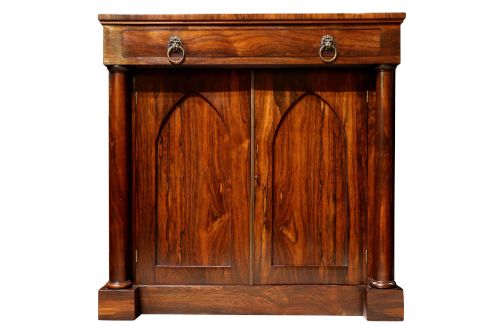
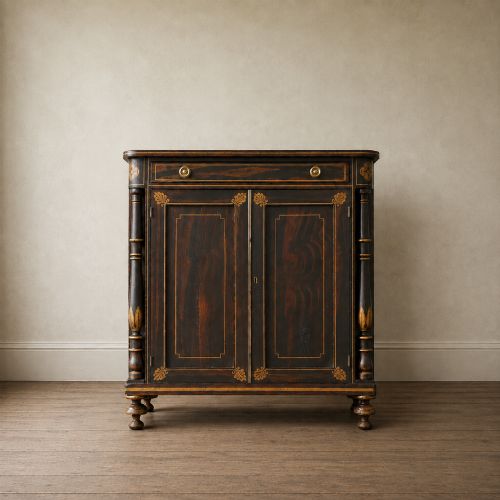
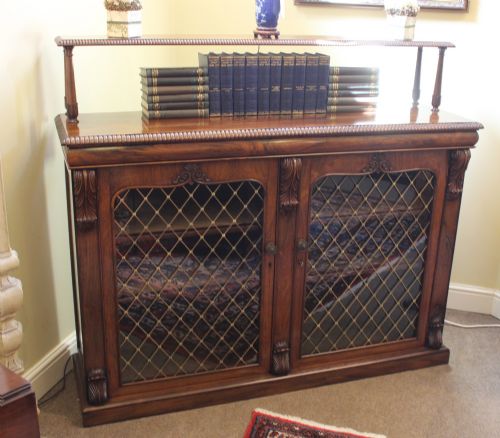
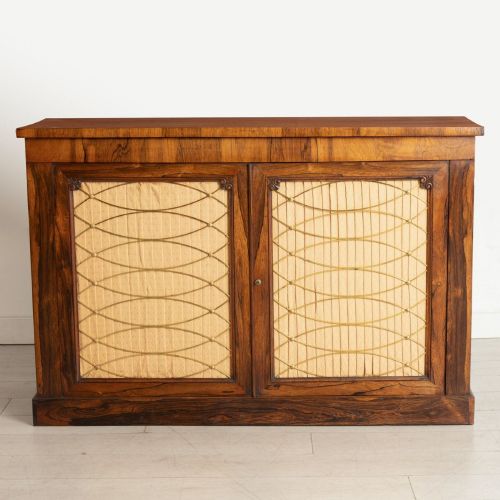
These regency side credenza pieces offer striking timber grains and refined storage, bringing period elegance directly to a dining room or hall.
Regency Side Credenza
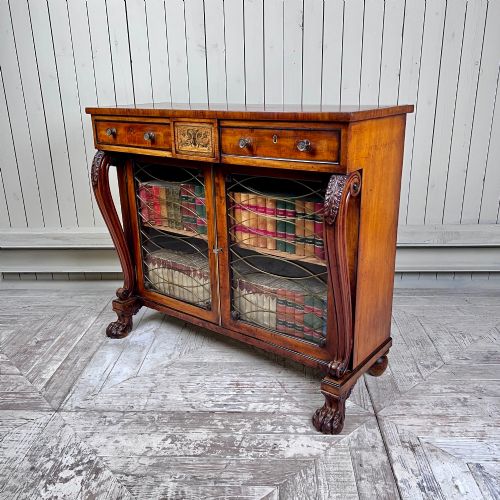
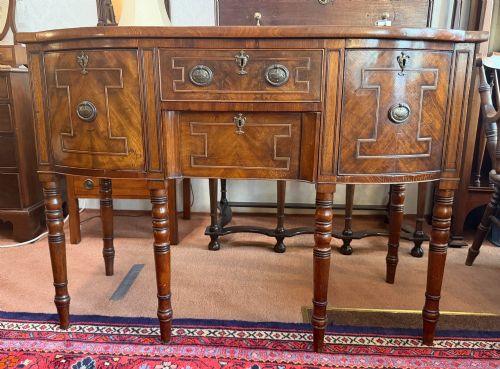
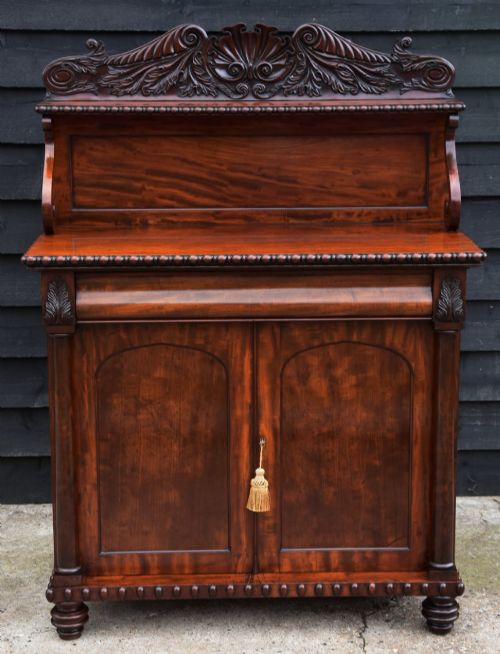
A regency side credenza brings together low cabinetry, sideboards, and chiffoniers from the nineteenth century into one functional furniture group. Buyers searching this phrase meet timber cabinets designed for display and storage, often featuring lower doors and open shelving.
The pieces appearing here span the Regency and William IV periods, alongside later Victorian interpretations and revival styles. Mahogany and rosewood dominate the forms, supplemented by occasional oak, pine, and exotic timbers.
Most examples function as low storage units or bookcases placed against dining room and hallway walls. They bridge the gap between heavy sideboards and refined display furniture.
How they were made
Cabinet makers relied primarily on solid and veneered mahogany and rosewood, applying figured grains carefully across flat panel surfaces and doors. Secondary timbers like oak and pine form internal framing and drawer linings.
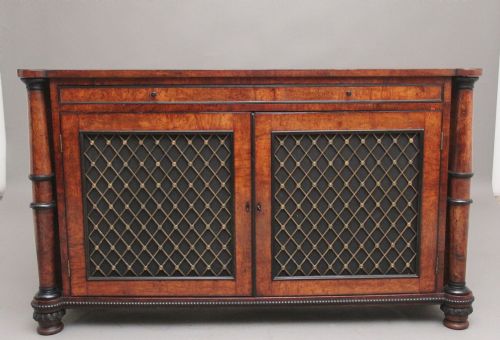
Metal detailing forms a key part of the construction, with cast brass mounts, brass stringing inlaid into timber surfaces, and wire grilles fitted to cabinet doors. Marble slabs appear on top surfaces, while specialist finishes include simulated rosewood paint on pine.
Joinery techniques focus on sturdy carcase construction, housing finely panelled doors and fitted interior shelving. Timber choices like pollard oak, goncalo Alves, amboyna, and ebony highlight decorative borders and contrasting highlights.
Listings feature eighteenth and nineteenth-century periods, alongside twentieth-century revivals, constructed in rosewood, mahogany, brass, marble, and oak.
What varies in quality
The calibre of a piece rests heavily on the selection and matching of timber veneers, where highly figured mahogany or rosewood displays natural depth. Craftsmanship shows in the precision of brass inlay and the sharpness of cast mounts.
Louis Constantin Le Gaigneur·Gillows
The Regency Side Credenza Glossary
- Chiffonier
- A low sideboard or cabinet featuring shelves or a small superstructure on top. This form evolved during the nineteenth century to store plate and display small objects.
- Credenza
- A sideboard or low cabinet for dining rooms. The term covers breakfront units and low bookcases found in nineteenth-century interiors.
- Brass inlay
- Fine strips of brass set flush into the timber surface to form geometric or floral patterns. This decorative technique characterises Regency cabinet work.
- Goncalo Alves
- A dense exotic hardwood with striking contrasting brown and dark stripes. Cabinet makers utilised it for decorative Regency furniture.
- Pollard oak
- Timber taken from trees that were pollarded, creating burr and knot formations with unique swirling grain patterns. It provides rich visual texture on cabinet doors.
Regency Side Credenza: Frequently Asked Questions
How do I use a side credenza today?
These cabinets suit modern dining rooms, living spaces, and hallways as low storage and display surfaces. Their surface tops hold lamps or decorative objects while lower cupboards conceal tableware or media items.
Open bookcase variants allow for book storage and decorative arrangement. Placing them against a primary wall lets the timber grain and brass details stand out.
What is the difference between a chiffonier and a credenza?
A chiffonier typically includes a small raised shelf or back panel above a low cabinet, designed for serving and display. A credenza usually provides a longer, lower surface without a raised back structure.
Both serve similar storage functions in nineteenth-century interiors. Cabinet makers adapted these forms depending on the intended room and decorative scheme.
How do I identify a Regency period piece?
Regency pieces often display classical architectural motifs, brass stringing inlay, and dark exotic timbers like rosewood and mahogany. Look for clean structural lines paired with refined metal mounts.
Pieces from this era date from the early nineteenth century. Subsequent Victorian and later revivals often replicated these classic forms with subtle shifts in proportion.
Are marble tops original on these cabinets?
Marble tops appear on select nineteenth-century cabinets and open bookcases, providing a durable and decorative surface. They were integrated into high-status pieces intended for display.
Such tops complement the timber carcase and brass mounts. Their presence alters the visual weight and practical use of the furniture.