





Regency School Artwork
Regency school artwork captures the portraiture, landscapes, and rural scenes produced across the early nineteenth century.
Regency School Artwork
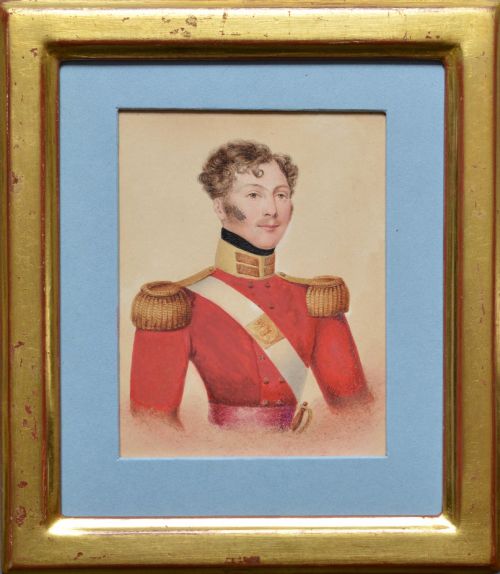
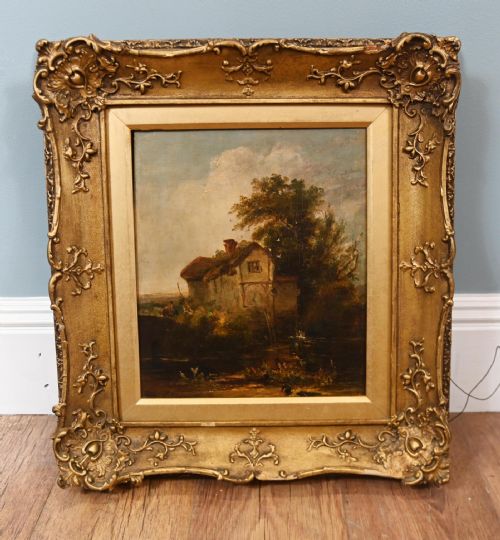
Regency school artwork encompasses paintings, drawings, and watercolours produced during the late eighteenth, nineteenth, and Georgian periods. These pieces frequently depict military officers, clergymen, noblemen, and literary figures alongside coastal views and rural landscapes.
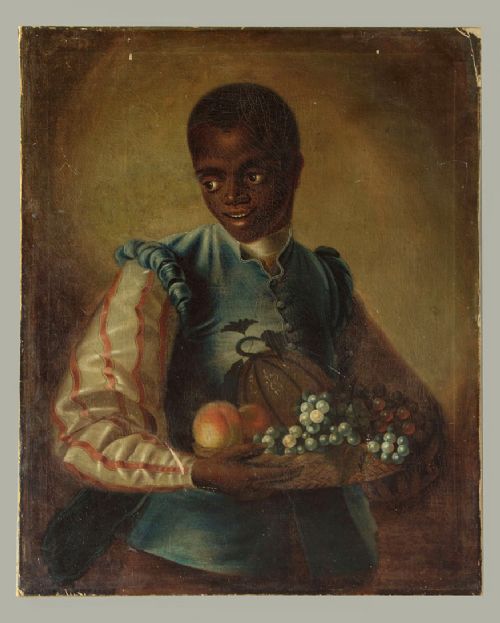
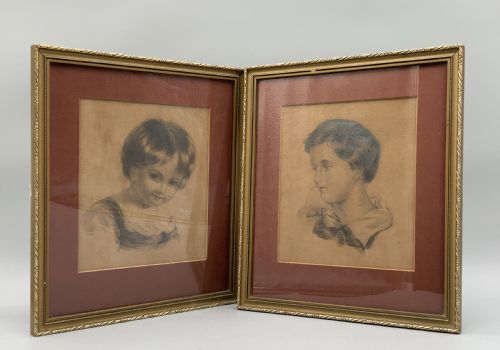
The selections available on this page highlight portrait paintings, oil paintings, pencil drawings, and framed art. Works attributed to regional movements such as the Norwich School appear alongside pieces by the wider British School and continental European artists.
Buyers encounter oil on canvas, oil on board, wood panels, paper, pastel, ink, and graphite mediums. Giltwood frames frequently accompany these historical pieces, preserving their original aesthetic presentation.
Methods and Materials
Artists utilised oil paints on canvas, wood panels, and board to build rich compositions through layered pigment and varnish. Watercolours, inks, and graphite were applied directly to paper substrates for delicate portraits and preparatory sketches.
Listings feature works spanning the 18th century, the Regency era, and the Victorian period, utilising oil, watercolour, pastel, and ink on canvas, wood, and paper.
Assessing the Works
The distinction in quality rests upon the precision of brushwork, anatomical accuracy in portraiture, and the depth of atmospheric perspective in landscapes. Studio pieces demonstrate advanced draughtsmanship, whereas provincial works lean towards charming simplicity.
Preservation of the original medium heavily influences the integrity of each piece, from the stability of the wood panel to the vibrancy of surviving watercolours on paper. Original giltwood framing preserves the historical context of the artwork.
Sir Thomas Lawrence·Clifton Tomson·George Hayter·Henry Singleton·Thomas Rowlandson·Henry Edridge·Henry Wyatt·John Thurtle·George Richmond
The Regency School Artwork Glossary
- British School
- A designation for artists working in Britain or trained within its artistic tradition during a specific historical era. This term unites diverse hands under a shared national provenance.
- Norwich School
- The first provincial art movement in Britain, centred around East Anglia and renowned for landscape painting. Artists in this group drew direct inspiration from local rural scenery.
- Giltwood
- Wood carved and coated with a thin layer of gold leaf or metallic gilt powder. This material defined the luxury framing styles of the period.
- Watercolour
- A painting method where coloured pigments are suspended in a water-soluble vehicle on paper. It allows for transparent washes and delicate tonal gradations.
- Regency
- The historical period spanning the early nineteenth century, noted for distinct developments in portraiture, interior design, and fine art.
Regency School Artwork: Frequently Asked Questions
What defines Regency school artwork?
These pieces comprise paintings, drawings, and watercolours created during the early nineteenth century. They showcase the prevailing portraiture and landscape traditions of the era.
Subjects range from military officers and nobility to rural cottages and coastal views. The category captures both major artistic figures and anonymous regional creators.
How were these artworks displayed?
Historical interiors featured these framed oil paintings and watercolours on panelled walls within domestic sitting rooms and grand estates. They served as personal portraits or decorative landscape views.
Original giltwood frames enhanced their visual prominence in contemporary homes. Today, collectors preserve this manner of domestic display.
How do I care for these pieces?
Maintaining these works requires stable environmental conditions away from direct sunlight and excessive humidity. Protecting the delicate paper and canvas surfaces ensures longevity.
Original frames should be handled with care to preserve the giltwood finish. Professional consultation assists with any conservation needs.
How do I identify the period?
Attribution relies on stylistic markers, recorded artist signatures, and period materials such as specific paper types or wood panels. Documentation accompanying the piece often clarifies the dating.
Stylistic comparisons with documented works by artists of the British School provide further context. Costumes and hairstyles in portraits also offer chronological clues.