



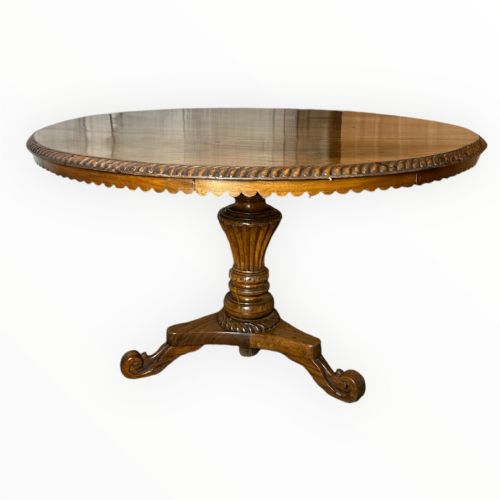

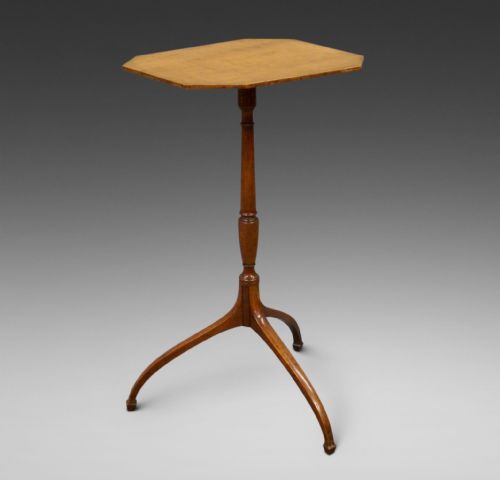
Regency Satinwood Furniture
Regency satinwood furniture brings light, figured timber and crisp neoclassical lines into a room, offering both elegance and utility.
Regency Satinwood Furniture
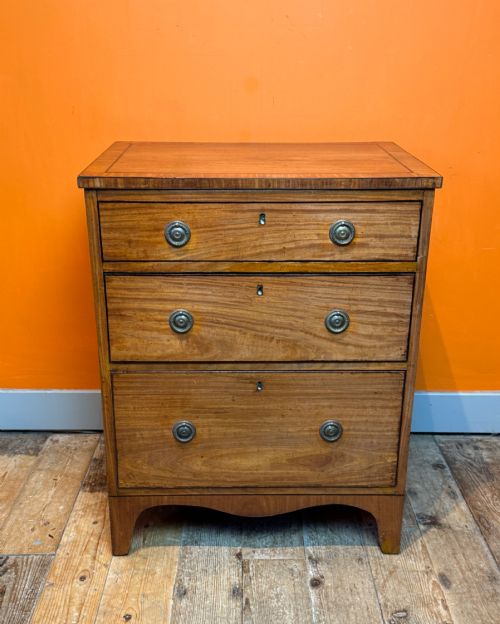
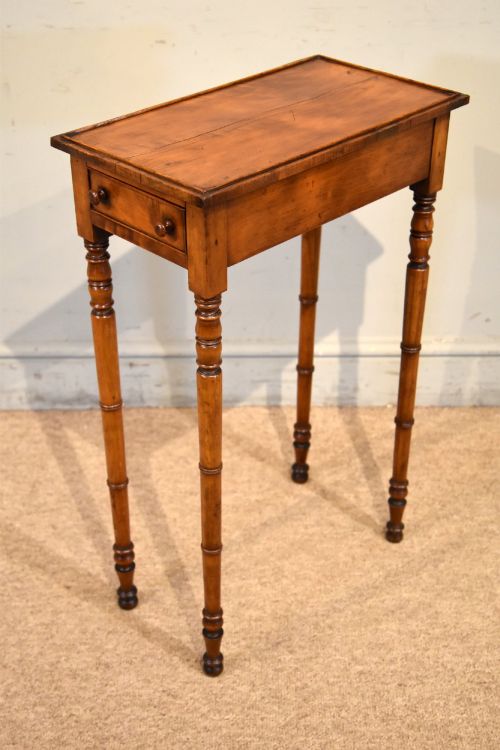
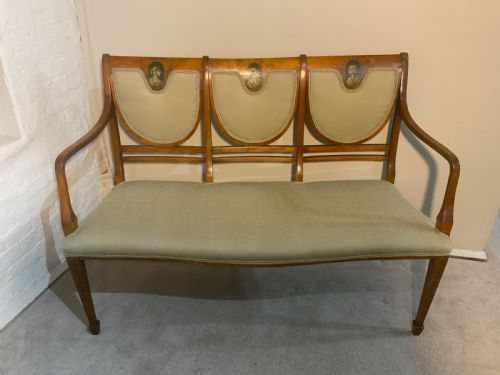
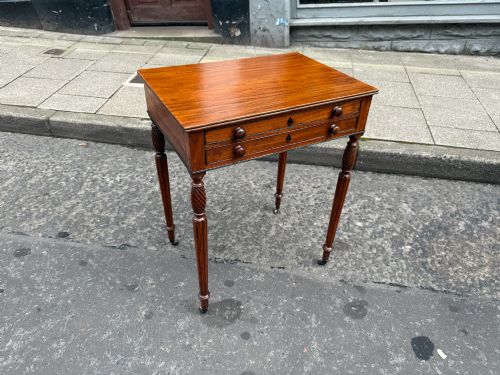
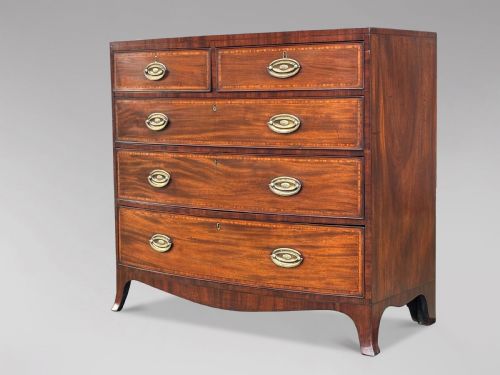
The version you are most likely to meet on this page is a compact table or chest from the early nineteenth century, frequently displaying classical proportions and figured timber. These pieces range from authentic Regency production to later nineteenth century revivals utilising similar cabinet-making traditions.
How they were made
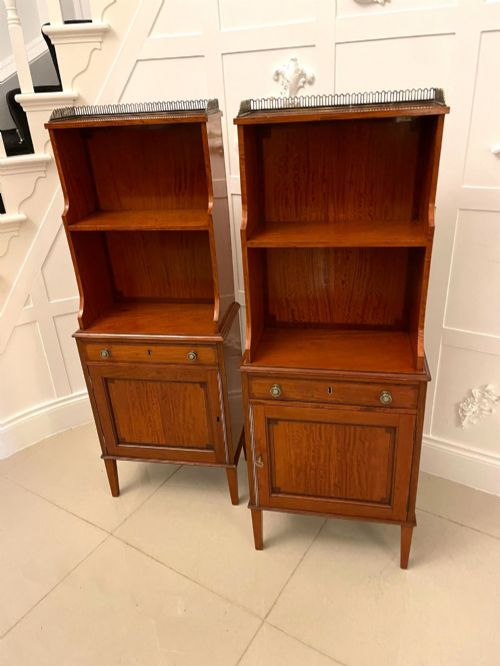
Cabinet-makers constructed these pieces primarily using satinwood, complemented by secondary timbers such as mahogany, rosewood, and ebony. Workshops applied contrasting veneers and string lines to accentuate the golden grain of the primary wood.
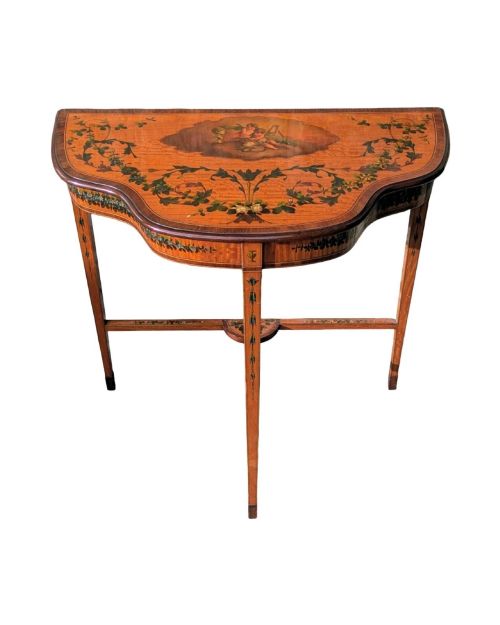
Makers incorporated functional metal mounts, brass details, and hand-painted polychrome decoration to enrich the surfaces. Structural joints relied on traditional carpentry methods suitable for both domestic tables and intricate writing furniture.
Regency Satinwood Furniture Retail Price Guide 2026
Typical asking prices for regency satinwood furniture among the pieces listed under this phrase on Sellingantiques today, from the lower quarter to the upper quarter. They describe what is for sale here now, not the wider market.
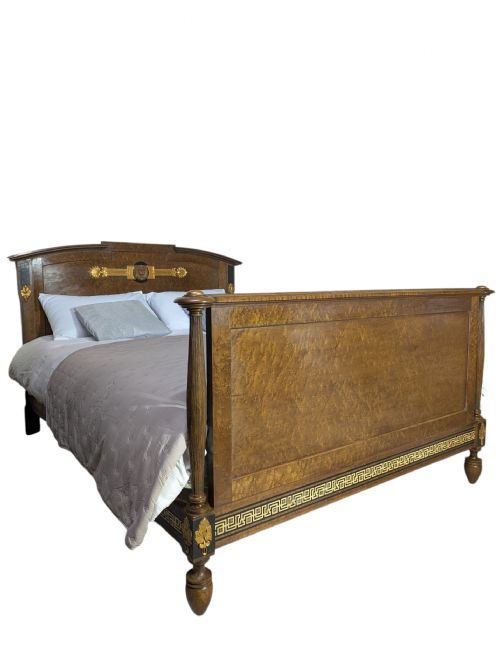
The site records span multiple eras from the eighteenth century through to late Victorian revivals and twentieth-century bed production.
What varies in quality
The grade of the figuring in the satinwood timber and the precision of the inlay separate standard examples from finer works. Master workshops demonstrated superior control over veneer selection, grain matching, and surface finishing.
Design complexity and the integration of secondary hardwoods such as rosewood or ebony indicate the original tier of production. Pieces bearing documented maker signatures or distinct regional characteristics display higher craftsmanship.
Gillows of Lancaster·Peters of Genoa
The Regency Satinwood Furniture Glossary
- Satinwood
- A hard, durable timber with a characteristic golden sheen and lustrous grain. Cabinet-makers prized this wood for its reflective surface during the late eighteenth and nineteenth centuries.
- Davenport desk
- A compact small writing desk featuring a sloping lid and drawers accessed from the side. This form gained popularity during the Regency period for domestic study spaces.
- Pembroke table
- A small drop-leaf table with hinged flaps on either side. These versatile tables served various functions including dining and occasional use.
- Stringing
- A narrow strip of contrasting wood or material inlaid into the surface of a piece. Craftsmen used this technique to outline drawers, tops, and panels.
- Polychrome
- Decoration executed in multiple colours. This technique appears on painted furniture of the period to create pictorial or floral motifs.
Regency Satinwood Furniture: Frequently Asked Questions
What is regency satinwood furniture?
Regency satinwood furniture encompasses desks, tables, and cabinets constructed primarily from figured satinwood during the early nineteenth century and subsequent revival periods.
These items reflect neoclassical design principles, often incorporating contrasting stringing, ebony details, and brass mounts.
How do I identify a Davenport desk?
A Davenport desk is a compact writing cabinet with an inclined writing surface lined with leather. Drawers typically open on one lateral side while dummy drawers balance the other.
Interior compartments and small upper drawers often provide additional storage for stationery.
Where were these pieces made?
Workshop production centred in British cabinet-making hubs such as London and Lancaster, alongside regional makers. Certain pieces also reflect colonial manufacturing methods from locations like Ceylon.
Major firms produced items for domestic residences and public commissions alike.
How should I care for satinwood?
Keep satinwood furniture away from direct sunlight and excessive heat sources to prevent the timber from fading and the veneer from lifting. Maintain a stable indoor climate.
Apply microcrystalline wax periodically to nourish the surface and preserve the natural lustre of the grain.