

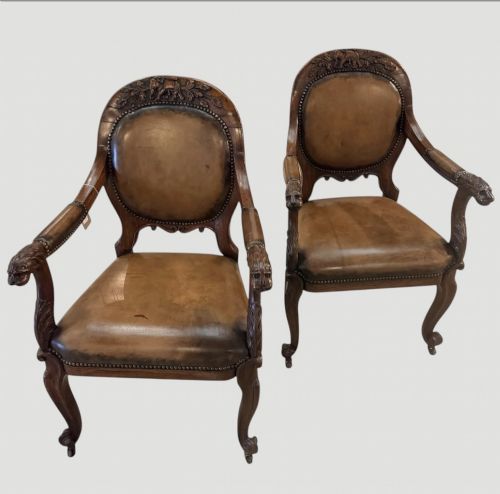
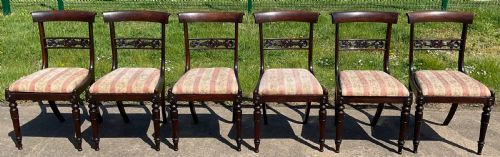


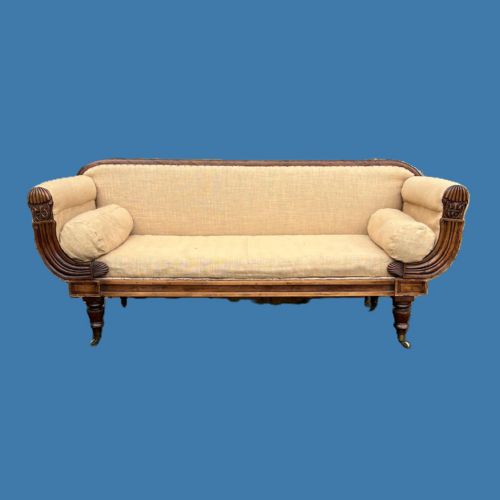
Regency Rosewood Seat
A regency rosewood seat brings rich timber grain and classic early nineteenth-century lines into a room, offering both comfort and enduring style.
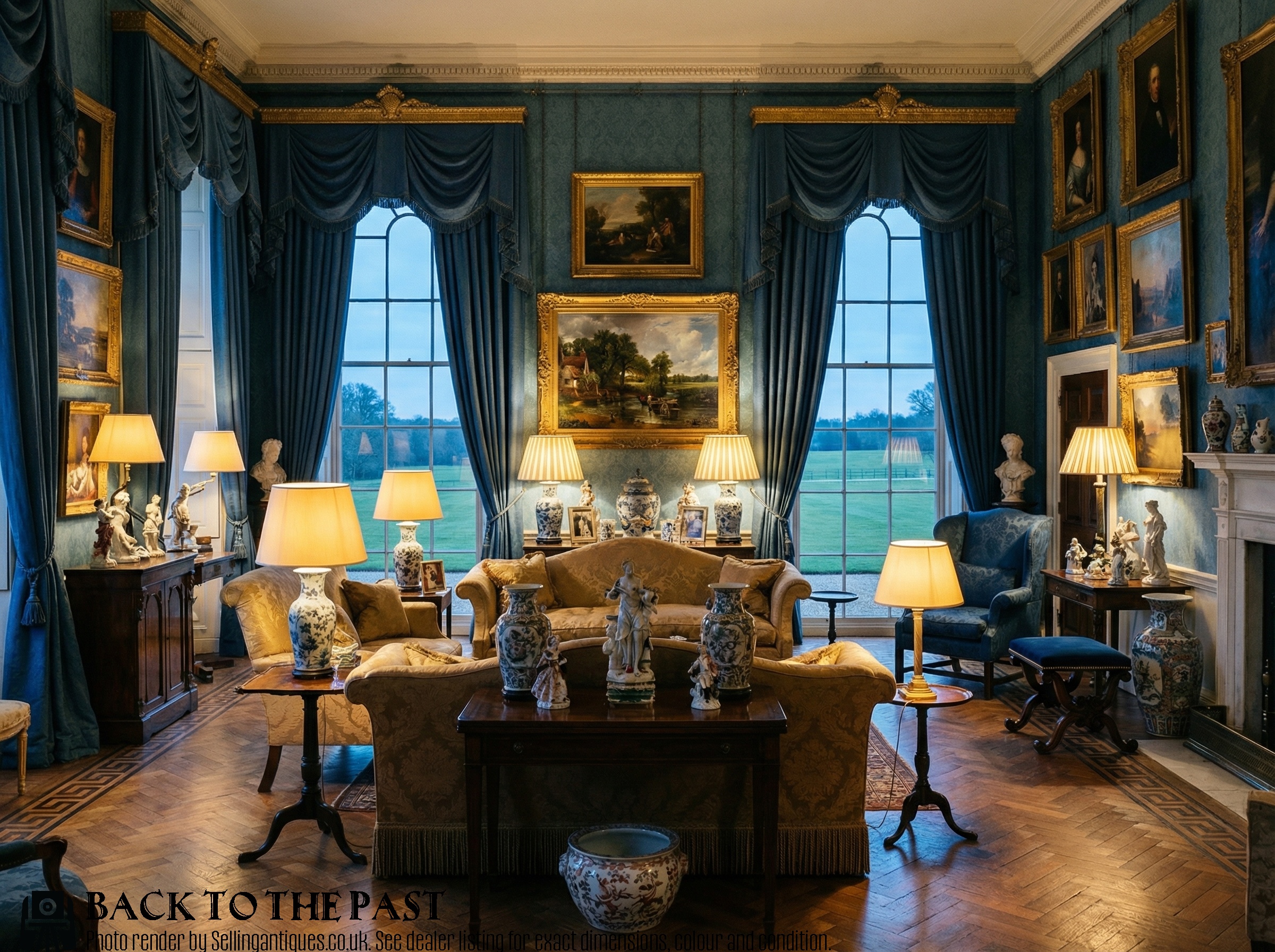
Regency Rosewood Seat
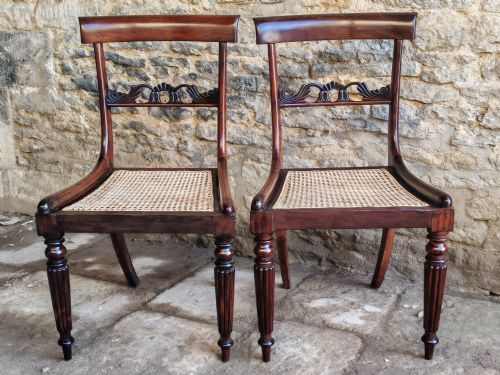
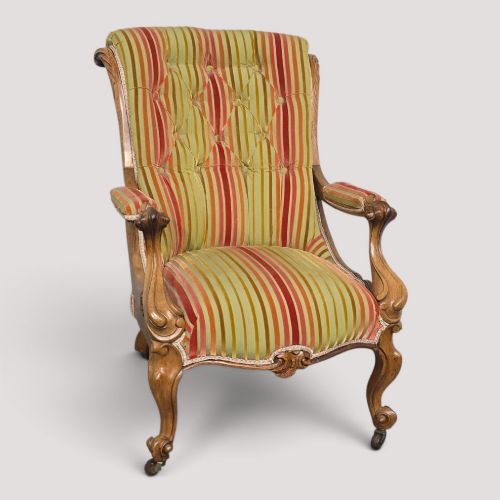
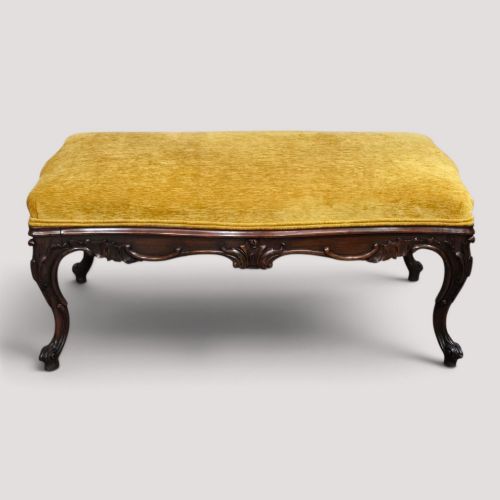
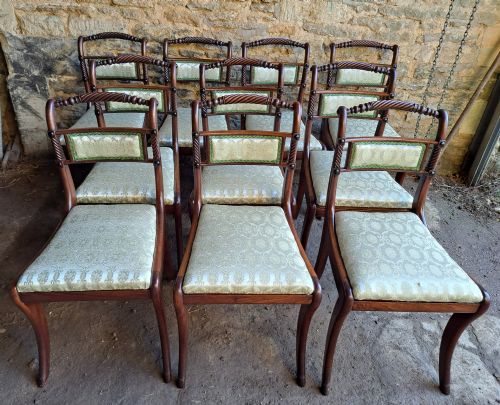
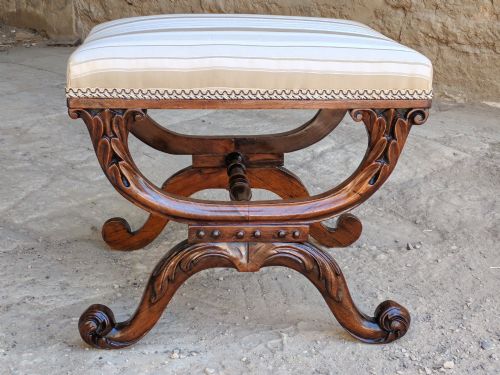
A regency rosewood seat encompasses dining chairs, library armchairs, stools, window seats, and sofas produced during the Regency, George IV, and William IV periods.
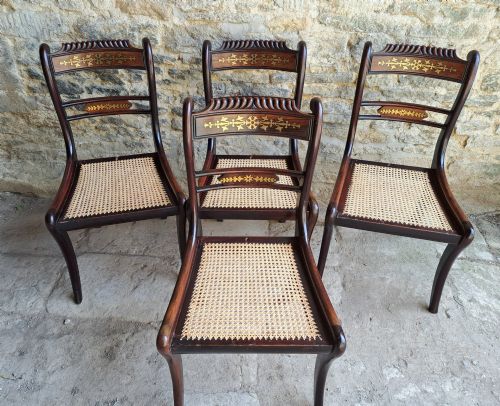
The single form most frequently met on this page is the dining chair, often found in matched sets of four, six, eight, or ten pieces.
Makers and cabinet makers utilised dense tropical hardwoods to construct seating designed for formal reception rooms and private libraries alike.
Materials and Technique
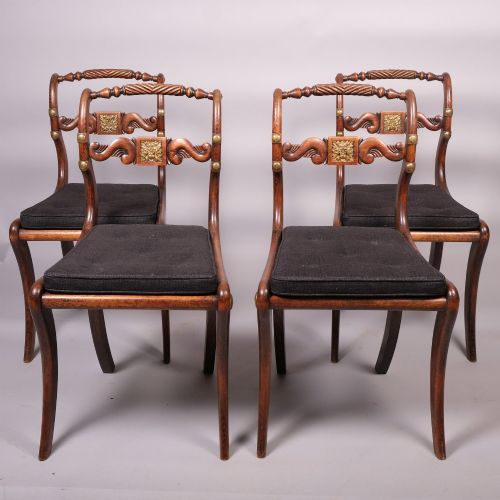
Craftsmen shaped solid rosewood and simulated rosewood, sometimes called faux rosewood, using cabinet-making techniques that often incorporated brass inlay and parcel gilding.
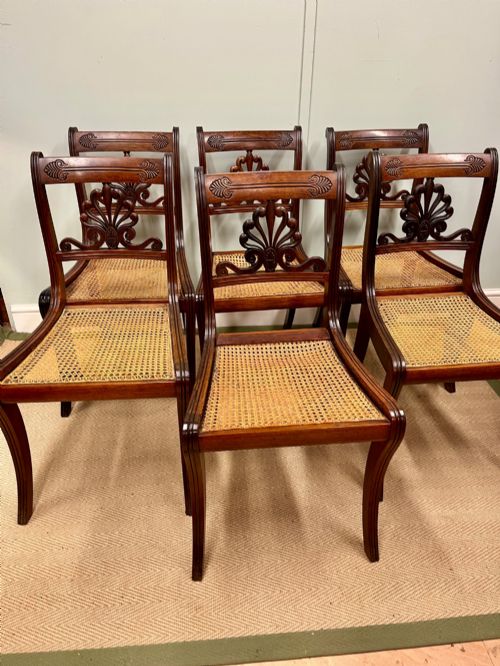
Frames received upholstery in leather, velvet, fabric, or woven cane, occasionally accompanied by squab cushions for additional comfort.
Specialised seating such as piano stools, music chairs, and harpists' chairs employed mechanical adjustment screws and swivel mechanisms.
Listings feature dining chairs, armchairs, window seats, and music stools spanning the Regency, George IV, and William IV periods.
Distinctions in Execution
The standard of carving on the crest rail and legs dictates the visual weight and sophistication of an individual chair or stool.
The integrity of the timber, whether solid Rio rosewood or painted beech simulating rosewood, determines the depth of figure and finish retained over generations.
Survival of original brass inlay, cane work, and structural joinery separates pieces that remain true to their original production from those with extensive later replacement.
Gillows
The Regency Rosewood Seat Glossary
- Bergere
- An enclosed upholstered armchair with cane or upholstered sides. This French-inspired form provided comfortable seating in libraries and drawing rooms.
- Simulated Rosewood
- Painted or stained timber, frequently beech, treated to mimic the distinct dark grain of rosewood. Makers utilised this method to achieve a luxurious finish more economically.
- Parcel Gilt
- Partially gilded woodwork where thin gold leaf highlights specific carved details or mouldings. It creates contrast against dark rosewood surfaces.
- Squab Cushion
- A loose, removable cushion placed on top of a cane or wooden seat base. These cushions provided extra padding for dining and library chairs.
- Window Seat
- An elongated bench designed to fit into a window recess. These forms often feature scroll arms and upholstered or cane seats.
Regency Rosewood Seat: Frequently Asked Questions
What is a regency rosewood seat?
A regency rosewood seat is a chair, stool, or sofa made from dense tropical hardwood during the early nineteenth century. These pieces reflect the classical revival styles popular during the Regency and William IV eras.
They serve practical seating functions while displaying the dark grain and polished surfaces characteristic of high-status furniture from the period.
How were these chairs used originally?
Dining chairs gathered around large mahogany or rosewood tables for formal evening meals. Library armchairs and window seats provided comfortable perches for reading or conversing by natural light.
Specialist pieces like piano stools and harpists' chairs accommodated musicians during practice and performance in drawing rooms.
How do I live with antique rosewood seating?
These pieces integrate well into modern interiors, functioning as accent chairs in living spaces or as everyday seating around a dining table. Keep them away from direct sunlight and heat sources to protect the polished wood finish and prevent the timber from drying out.
Routine dusting with a dry cloth maintains the surface sheen without damaging historic polish or upholstery.
How can I tell the period apart?
Regency pieces often feature refined classical lines, brass inlay, and simulated rosewood finishes. Later William IV and nineteenth-century examples tend toward heavier proportions, more robust carved details, and solid rosewood construction.
Examining the construction methods underneath the seat frame helps reveal the manufacturing era.