




Regency Recamier Sofa
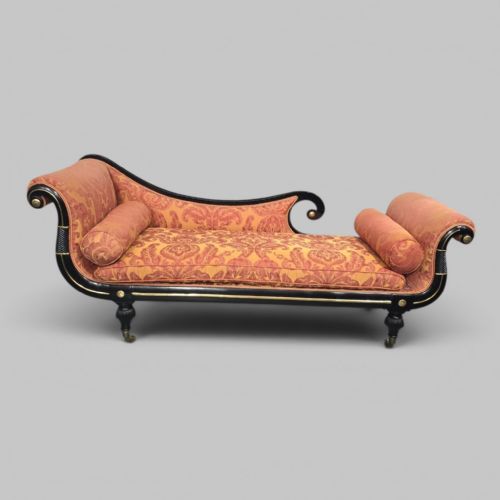
A regency recamier sofa brings classic classical lounging into the room, offering sweeping scroll ends and elegant timber frames.
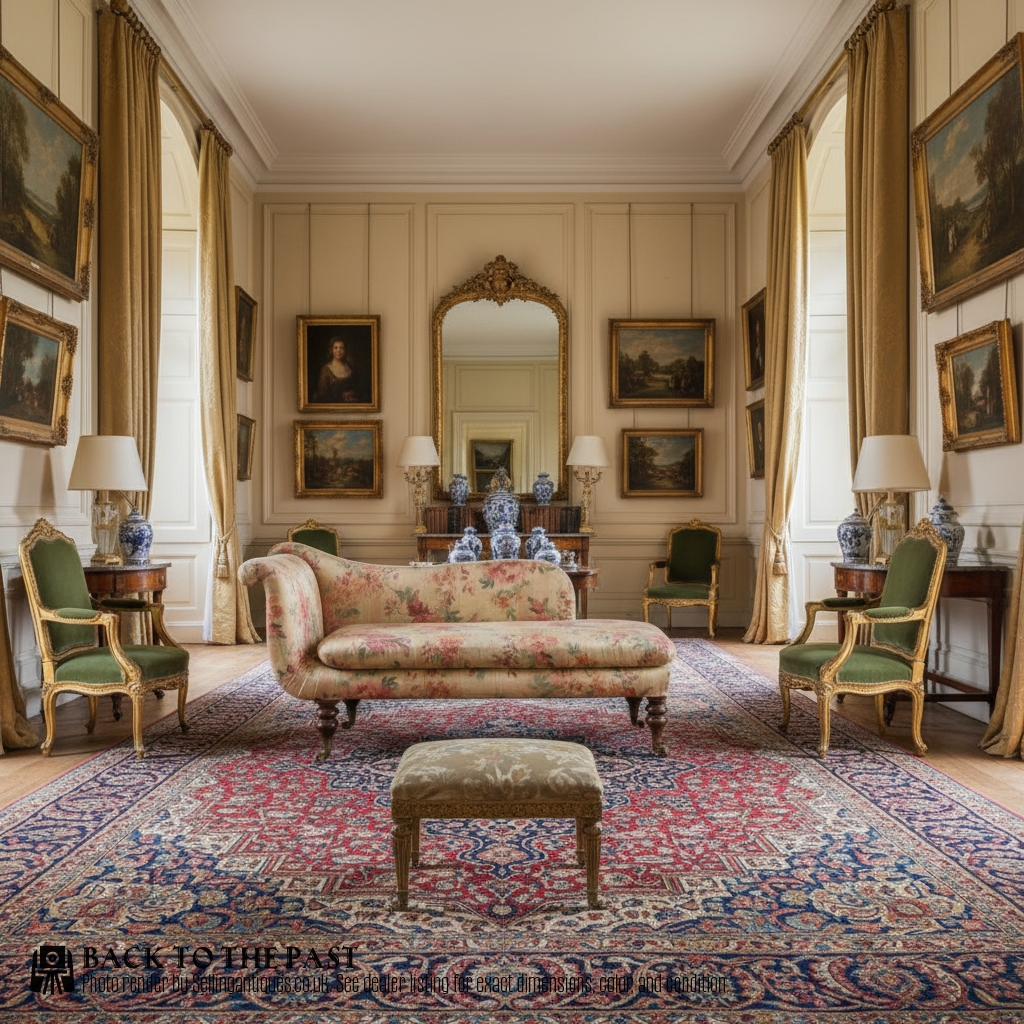
Regency Recamier Sofa
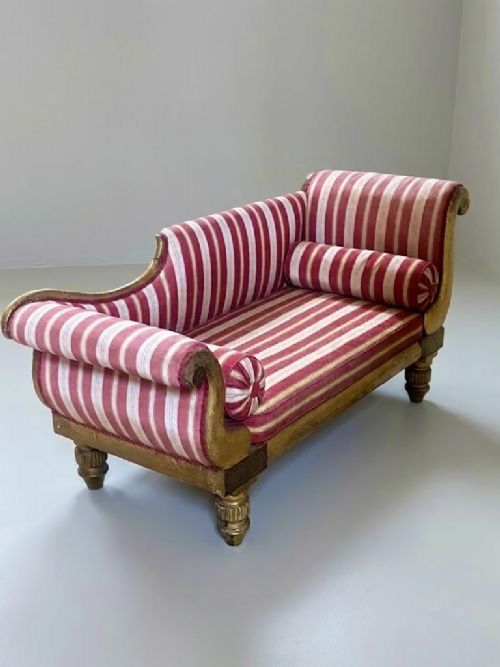
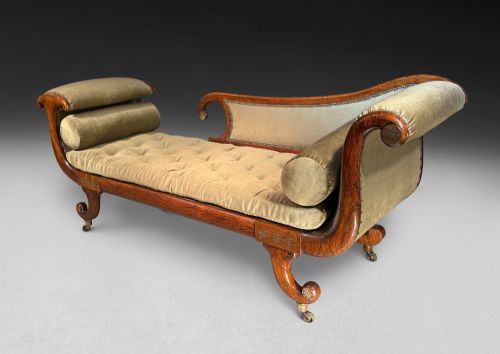
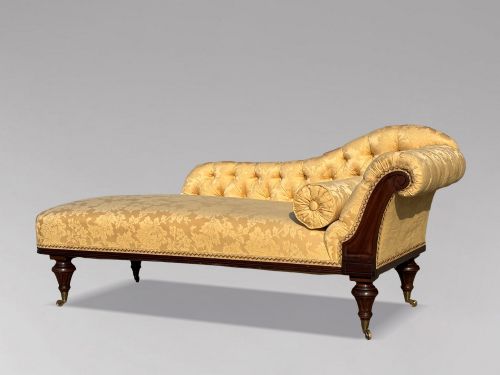
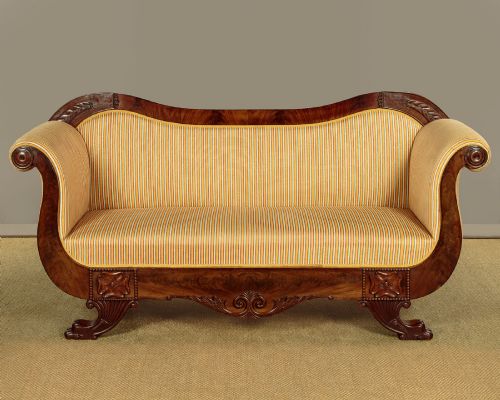
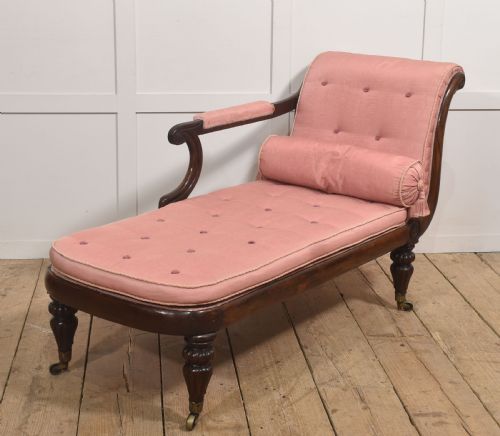
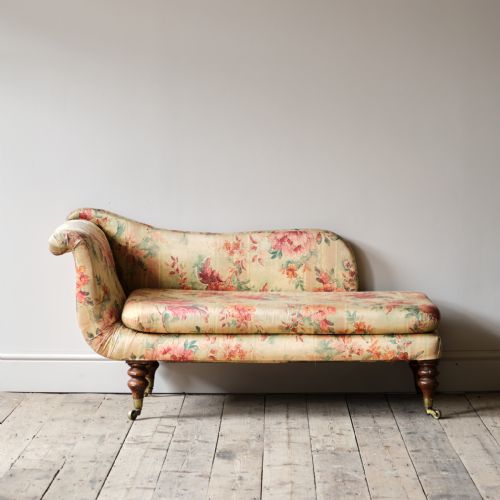
A regency recamier sofa encompasses daybeds, chaise longues, and scroll end couches originating primarily from the nineteenth century. These forms reflect the neoclassical taste for ancient Roman and Greek seating, designed for reclining in domestic parlours.
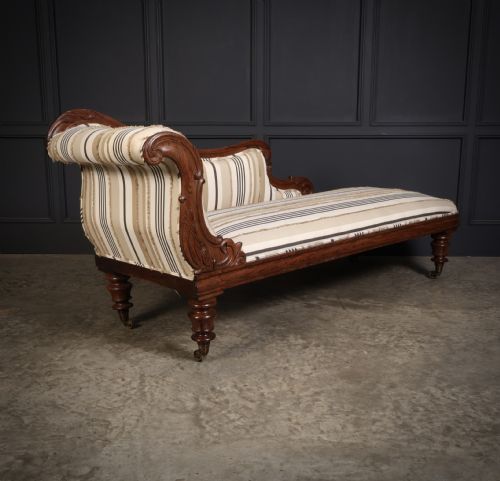
The most common examples on this page date from the Regency and William IV periods, featuring single raised scroll ends and exposed timber frames. Mahogany and rosewood predominate, frequently accompanied by damask fabric, silk, or cane seating.
Makers occasionally emulate celebrated cabinet-makers of the early nineteenth century, producing sophisticated silhouettes with brass inlay or carved supports. Alongside these traditional forms, rarer iterations such as surrealist day beds appear from later decades.
How they were made
Cabinet-makers constructed the foundational frames using solid mahogany, rosewood, or simulated rosewood, sometimes employing ebonised finishes. Brass inlay and intricate carving embellished the wooden structures, marking high standards of joinery.
Upholstery methods utilised traditional stuffing secured over webbing, paired with textiles such as damask fabric or antique striped silk. Alternative versions incorporated cane seating directly into the wooden frame for a lighter visual weight.
Early nineteenth-century manufacturers thoughtfully ensured scroll ends matched the exact posture of a properly upright afternoon nap.
What varies in quality
The sophistication of the timber figure and the precision of brass inlay define the upper tier of these pieces. Dense grain in the mahogany or rio rosewood elevates the visual impact of the frame significantly.
Carved details on the scroll ends and legs reveal the hand of a skilled artisan rather than routine production. Finer examples maintain structural integrity in the joinery of the asymmetric backrest and single high end.
Gillows·Willian Trotter·Syrie Maugham
The Regency Recamier Sofa Glossary
- Chaise longue
- A long chair for reclining, combining the characteristics of a chair and a couch. This form provides an elevated headrest at one end.
- Scroll end
- A sweeping, curved wooden terminal that forms the arm or back support of a couch. It echoes classical furniture designs from antiquity.
- Simulated rosewood
- A painted or stained wood finish designed to imitate the rich grain and deep colour of genuine rosewood. Craftsmen utilised this technique on secondary timbers.
- Cane seating
- Woven rattan material stretched across a frame to form a permeable seat. This method appeared on select daybeds for lighter support.
- Giltwood
- Timber treated with gold leaf or gold paint to create a lustrous metallic surface. It highlights prominent decorative carvings on formal seating.
Regency Recamier Sofa: Frequently Asked Questions
How do I style a regency recamier sofa?
Place the piece against a focal wall where the sweeping scroll end remains fully visible to the room. Pair it with complementary antique furnishings to maintain the classical aesthetic.
Ensure adequate clearance around the frame so the asymmetric silhouette is not crowded by other large furniture items.
How do I identify a William IV piece?
William IV furniture generally displays heavier proportions and bolder carved ornamentation than earlier Regency items. Look for robust mahogany or rosewood timbers alongside scrolling foliage motifs.
These pieces typically date from the second quarter of the nineteenth century, reflecting a transition towards grander domestic decoration.
Can I use these daybeds for sleeping?
Historical daybeds and chaise longues were designed for daytime resting rather than overnight sleeping. The narrow proportions and rigid internal construction reflect the standards of nineteenth-century domestic comfort.
Using them for casual reclining aligns with their original purpose while preserving the antique upholstery and frame.