


Regency Portrait Drawing
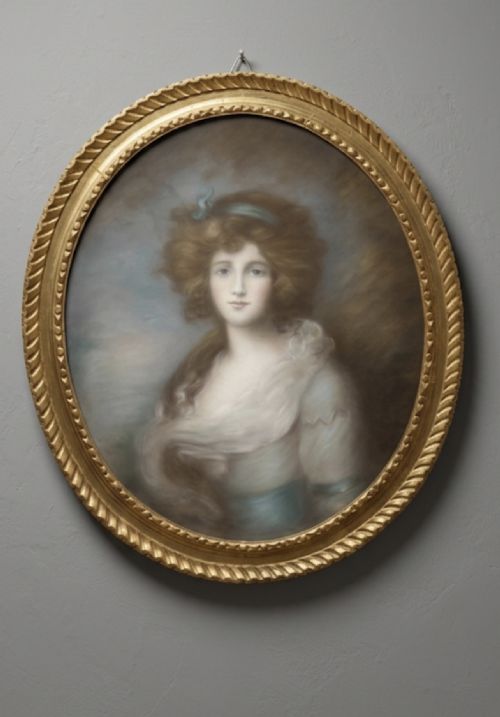
Regency portrait drawing captures the distinct likeness of a sitter on paper using graphite, ink, pastel, or watercolour, prized for its intimate historical record.
Regency Portrait Drawing
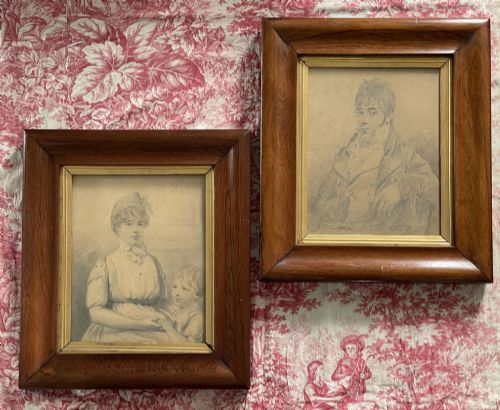
A regency portrait drawing brings you face to face with sitters from the Georgian, Regency, and Victorian eras, often preserved behind glass in original frames.
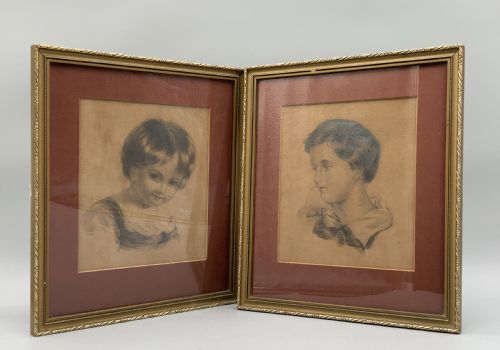
You will encounter single sketches of children, couples, and elegant ladies alongside detailed miniature portraits and silhouettes on paper.
Many of these works survive from the nineteenth century, reflecting both skilled academic practice and naive art traditions.
Materials and techniques
Artists drew upon paper using graphite and ink for precise line work, occasionally adding watercolour or pastel for subtle colour and warmth.
Finished drawings were mounted behind glass and housed in giltwood, gilt gesso, or maple frames, sometimes accented with gold leaf.
Makers utilised ink washes and pencil shading to create depth and shadow within miniature formats and wall art.
A three-month-old baby recorded for posterity.
Judging quality and hand
The finesse of the draughtsmanship separates a confident study by a trained hand from simpler, naive works executed outside the academies.
Original framing, such as period maple or gilt scroll mounts, preserves the historic context and integrity of the piece.
The clarity of the sitter's expression and the preservation of delicate pastel or ink pigments determine the visual impact.
Thomas Gainsborough·Thomas Lawrence·George Atkinson·John Raphael Smith·Henri Josephe Hesse·Richard Cosway·Henry Edridge·Nathaniel Dance-Holland·George Richmond
The Regency Portrait Drawing Glossary
- Graphite
- A form of carbon used in pencils to create monochrome drawings. It allows for delicate shading and fine linear detail.
- Pastel
- A dry medium made of powdered pigment bound together. It yields soft, velvety colours on paper.
- Silhouette
- A portrait profile filled in solidly with a dark colour, often cut from paper or drawn in ink.
- Giltwood
- Wood carved and covered with a thin layer of gold leaf. It frames many period works.
Regency Portrait Drawing: Frequently Asked Questions
How were these drawings displayed?
These works were typically framed behind glass to protect the delicate paper surface from dust and moisture in domestic interiors.
Owners hung them in parlours and private chambers as personal likenesses of family members or notable figures.
What materials did artists use?
Artists relied primarily on paper supports, applying graphite, ink, pastel, and watercolour to capture the likeness of their sitters.
Frames were constructed from wood, maple, and gilt gesso, often incorporating gold leaf details.
How do I date a portrait?
Dating relies on the costume, hairstyle, and framing style visible in the artwork, alongside any inscriptions or signatures.
Pieces span the eighteenth and nineteenth centuries, including the Regency and Bourbon Restoration periods.
What is naive art?
Naive art describes works created outside formal academic traditions, displaying charmingly direct perspectives and proportions.
These pieces offer a sincere and unpretentious record of everyday people from the period.