
Regency Period Painting
Regency period painting works bring the refined portraiture and classical watercolours of the early nineteenth century straight into a room.
Regency Period Painting
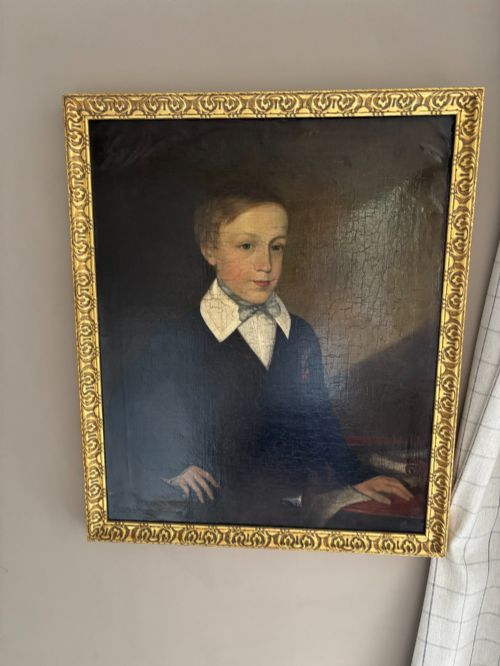
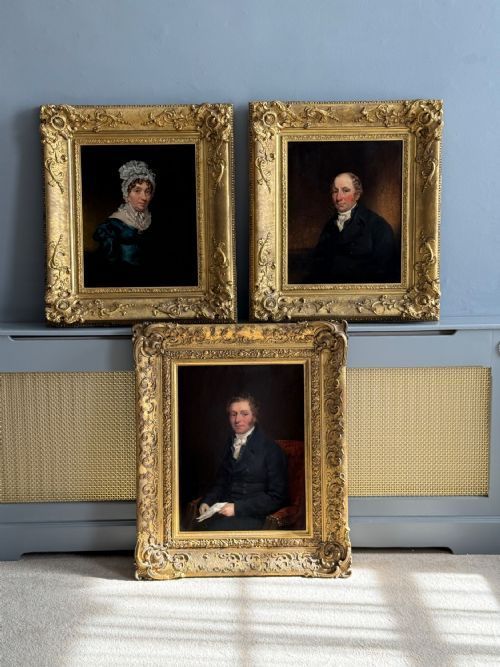
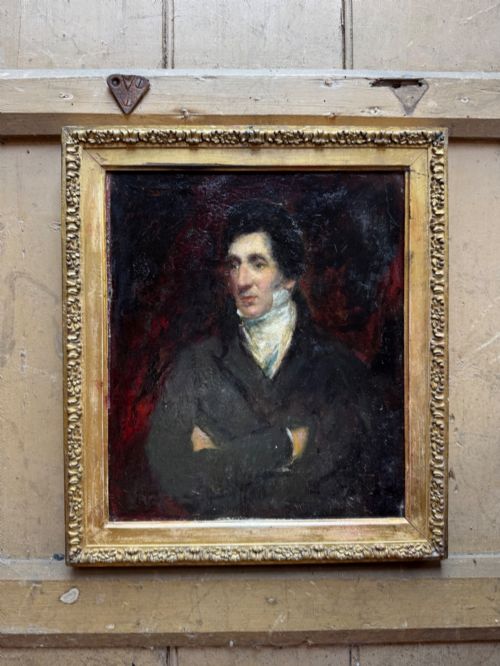
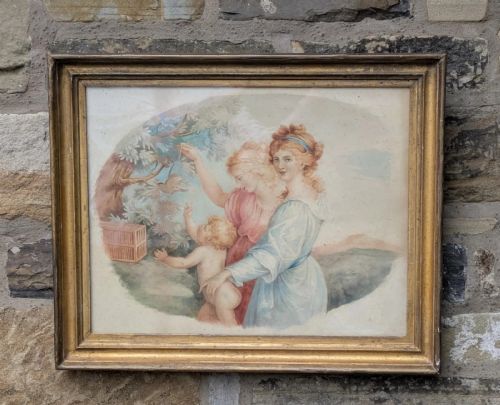
When you search for a regency period painting, you encounter oil portraits on panel or canvas alongside delicate watercolours and miniature works from the nineteenth century. The selection ranges from formal studies of gentlemen and military officers to charming classical scenes and genre watercolours dating around eighteen hundred.
The objects most frequently met on this page include oil portraits attributed to schools or named artists, framed portrait miniatures, and watercolour paintings depicting figures or fruit. These pieces reflect the dominant styles of the Georgian and Regency eras, spanning Neoclassical tastes and British genre painting.
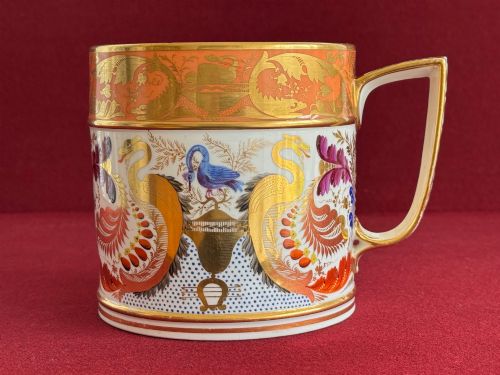
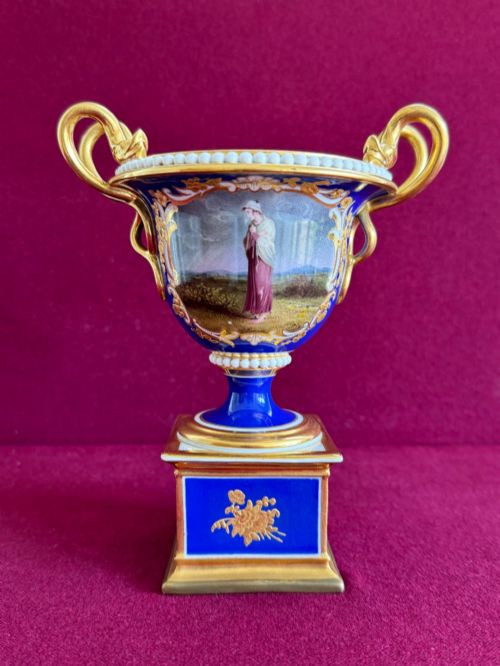
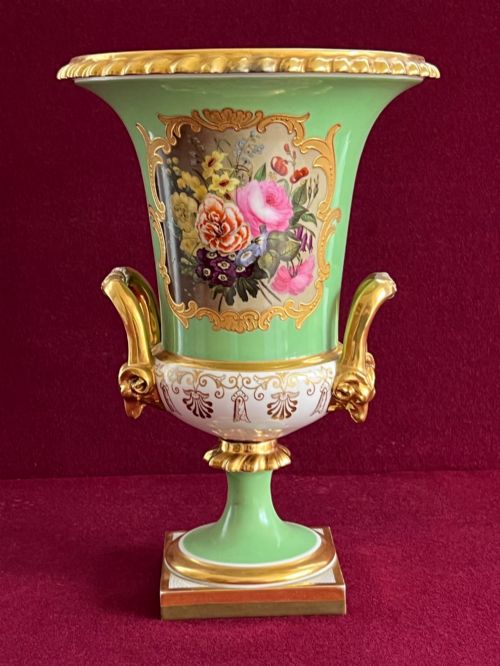
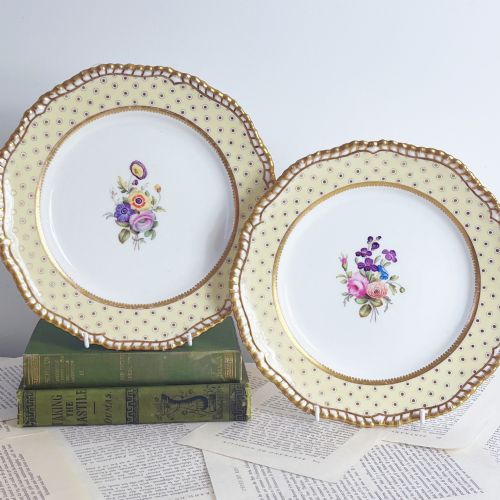
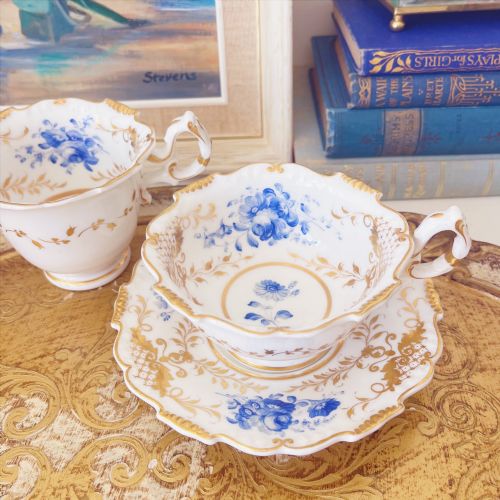
Beyond direct canvases, the aesthetic spills into painted porcelain items and decorative panels that share the exact visual language of the period. Buyers find works originating from British and European hands, capturing the character and dress of the early eighteen hundreds.
How they were made
The works rely upon traditional oil paints applied to wooden panels and stretched canvas, or delicate watercolours worked onto paper surfaces. Artists utilised fine brushes to capture intricate details in costume and facial expression, often sealing watercolours beneath glass within original frames.
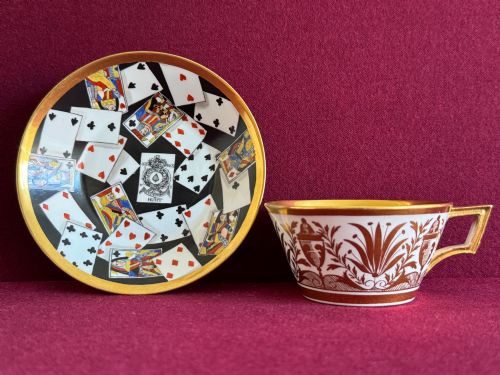
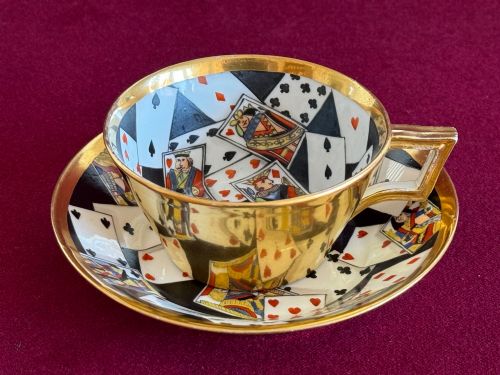
Supplementary pieces incorporate enamel on metal plaques or handpainted details on porcelain objects such as cabinet cups and spill vases. Gilding with gold leaf frequently highlights the borders of portrait miniatures and frames, adding a warm metallic sheen to the composition.
A painted tambourine survives from the Regency era, proving that music nights occasionally doubled as fine art exhibitions.
What varies in quality
Preservation plays a major role in the desirability of these pieces, distinguishing untouched original surfaces from those compromised by heavy restoration or overpainting. The quality of the accompanying frame, whether period giltwood or simple moulded wood, further signals the original importance of the artwork.
Joseph Clover RA·Sir Thomas Lawrence·Alfred Lyndon Grace·Henry Travis·George Kilburne·Charles Haigh Wood
The Regency Period Painting Glossary
- Panel
- A flat wooden board used as a rigid support for oil paintings before canvas became universal. Artists often prepared these with a smooth gesso ground.
- Watercolour
- A painting method where fine pigments are suspended in a water-soluble binder on paper. It gained immense popularity for portable landscapes and intimate portraits during the Regency era.
- Miniature
- A small-scale portrait, often painted on ivory, vellum or card. These portable likenesses were frequently worn as jewellery or kept in protective cases.
- Provenance
- The documented history of ownership attached to an artwork. A clear provenance helps establish authenticity and attribution.
- Neoclassical
- A cultural movement drawing inspiration from the classical art and culture of ancient Greece and Rome. This aesthetic heavily influenced the portraiture and decorative arts of the Regency period.
Regency Period Painting: Frequently Asked Questions
How do I identify a regency period painting?
Look closely at the subjects' hairstyles, dress, and the palette used by the artist, which typically reflect the fashion and interior design trends of the early nineteenth century. Framing and support materials like wood panels or early handmade paper also offer strong chronological clues.
Compare the brushwork and signature styles with documented works from the Georgian and Regency eras to confirm the period. Examining the backing and overall construction of the piece helps verify its age.
Where were these paintings displayed originally?
These artworks typically hung in the panelled parlours, drawing rooms, and libraries of grand country houses and town residences. Smaller watercolours and miniatures were often kept in private chambers or carried as personal tokens.
Portrait miniatures were frequently worn close to the heart or displayed in tabletop cases for intimate viewing by family and honoured guests. Larger oil paintings commanded prominent positions above mantelpieces or along entrance hallways.
How should I care for an antique painting?
Keep the artwork away from direct sunlight and sources of artificial heat to prevent the pigments from fading and the canvas or wood panel from warping. Maintain a stable room temperature and moderate humidity to protect the delicate paint layers.
Dust the surface and frame gently with a soft, dry brush, avoiding any liquid cleaners or chemical agents. Professional conservation should be sought if the paint surface shows signs of cracking or lifting.
Can I mix these with modern decor?
These historical works add a grounding sense of history and human character when placed against contemporary neutral walls. The restrained palettes of Regency portraits and watercolours pair naturally with minimalist furniture and clean architectural lines.
Allow the antique piece to serve as a focal point within a room rather than crowding it with too many surrounding artefacts. Proper lighting with dedicated picture lights enhances the depth of the older pigments in a modern setting.