

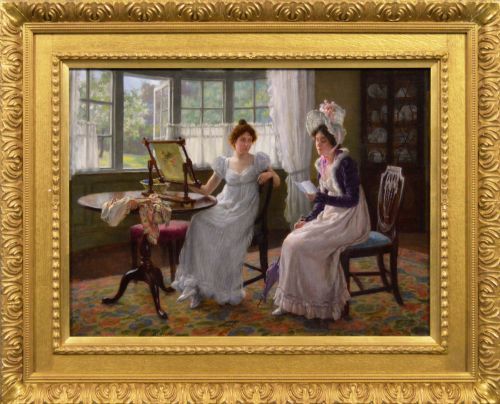


Regency Period Oil Portrait
A regency period oil portrait captures the striking likenesses and sartorial elegance of the era, offering collectors a window into nineteenth-century society.
Regency Period Oil Portrait
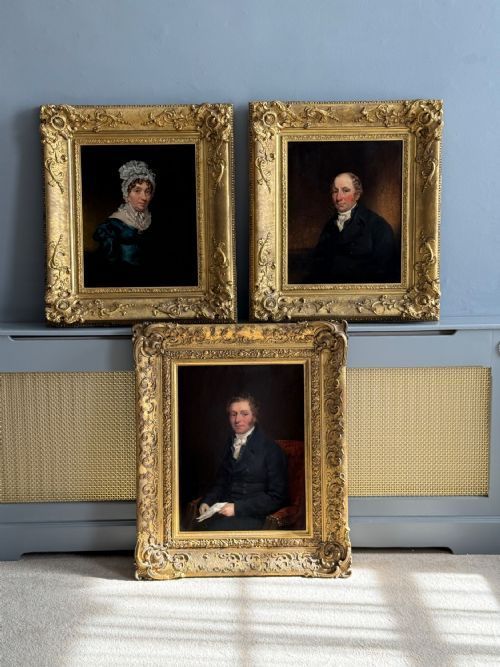
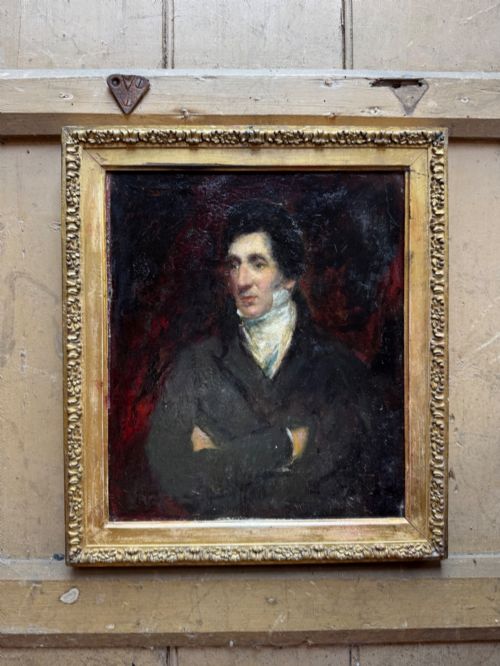
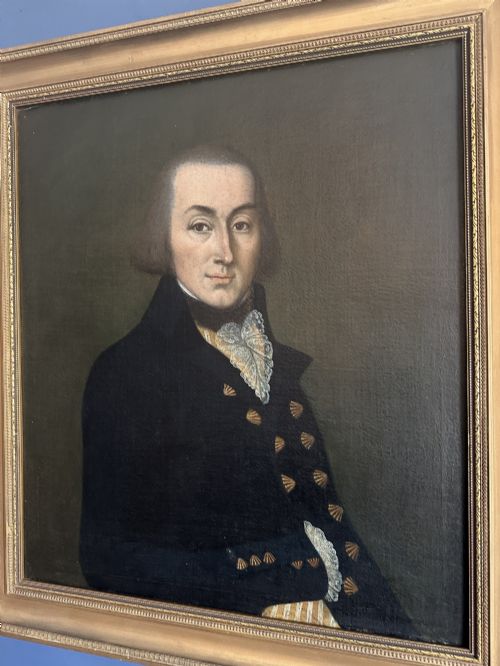
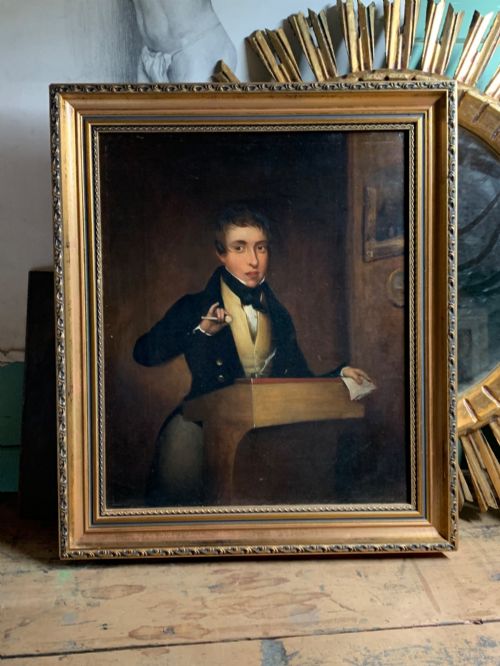
A regency period oil portrait brings historical subjects into the domestic interior, depicting figures ranging from titled aristocracy and military officers to children and literary personalities. These works primarily date from the nineteenth century, overlapping with late Georgian and early Victorian aesthetics.
The subjects appear in various formats, from intimate cabinet pieces to full-length studies, often accompanied by original giltwood frames. Collectors frequently encounter representations framed by regional schools, studio circles, or named artists active during the period.
How they were made
Artists applied oil paint to stretched canvas or wooden panel substrates, building depth through layered glazes and opaque pigments. This technique allowed painters to render delicate textures like silk dresses, lace collars, and powdered hair with notable fidelity.
Makers housed these canvases within carved gesso and gilt wood frames, utilising gold leaf to enhance the visual impact of the composition. Original framing remains an integral element of the construction, reflecting the decorative standards of the period.
Listings feature works spanning the 18th century, 19th century, Regency, and Edwardian periods, rendered primarily in oil paint on canvas and panel.
What varies in quality
The fidelity of facial expression and anatomical drawing separates master works from provincial or naive examples. Skilled hands captured psychological depth and lifelike skin tones, whereas lesser pieces rely on rigid postures and flat planes.
The preservation of the original paint surface and the condition of the supporting canvas or panel dictate the integrity of the piece. Works retaining their undisturbed original giltwood frames command greater regard among connoisseurs.
Joseph Clover RA·Rolinda Sharples·Richard Cosway RA·George Henry Harlow·Samuel Drummond
The Regency Period Oil Portrait Glossary
- Giltwood
- Wood carved and covered with a thin layer of gold leaf. It forms the decorative border characteristic of nineteenth-century picture frames.
- Canvas
- A heavy woven fabric stretched across a wooden stretcher to act as the primary support for oil paintings. It provides the textured ground necessary for traditional brushwork.
- Gesso
- A plaster-like mixture applied to wood frames to create a smooth surface for gilding. It holds intricate moulded relief details before the application of gold leaf.
- Panel
- A flat wooden board utilised as a rigid support for painting instead of fabric. Panels were frequently employed for smaller-scale portraits during the period.
Regency Period Oil Portrait: Frequently Asked Questions
How do I identify a genuine period frame?
Original frames from this era feature hand-carved gesso ornamentation applied directly to timber mouldings, showing age-appropriate micro-cracking and wear to the gold leaf.
Modern replacements lack the depth of patina and often use cast synthetic resins instead of traditional composition materials.
Were these portraits always painted from life?
While many sitters posed directly in the artist's studio, popular subjects or prominent figures were often replicated by studio assistants or painted posthumously from earlier sketches.
Attributions noting a circle or studio indicate the work was produced under the influence or supervision of a master painter.
How should I care for an oil on canvas?
Maintain stable room temperatures and protect the painting from direct sunlight to prevent the canvas from slackening and the oil paint from cracking.
Avoid using liquid cleaners on the painted surface and consult a professional conservator for dust removal or varnish maintenance.
What do clothing details reveal about the sitter?
Attire provides direct clues to the social standing and occupation of the individual, with specific uniforms, lace, and accessories reflecting the fashions of the early nineteenth century.
Inclusions like letters, books, or pets often symbolise the sitter's profession, literary pursuits, or domestic interests.