




Dark Red Framed Artwork
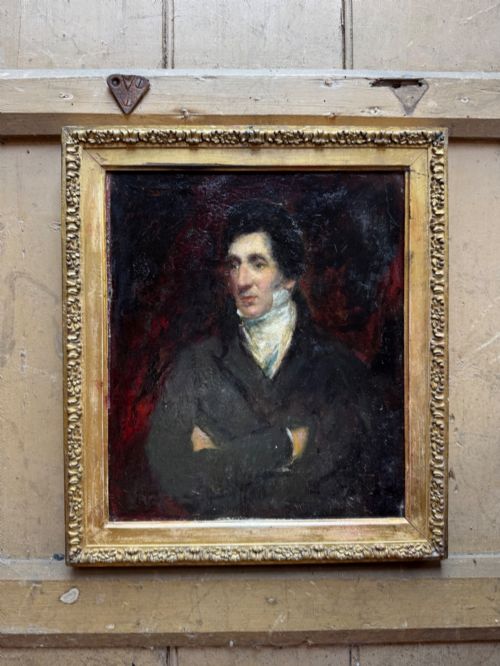
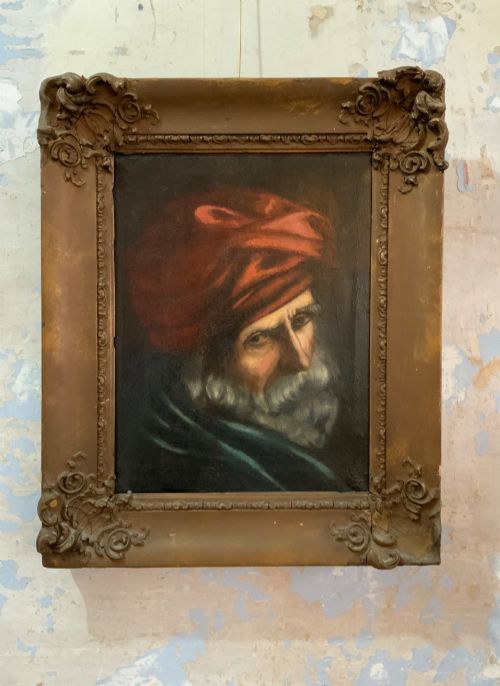
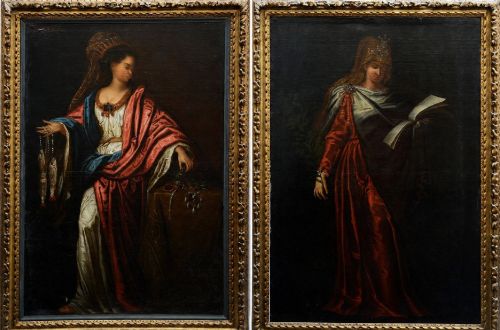
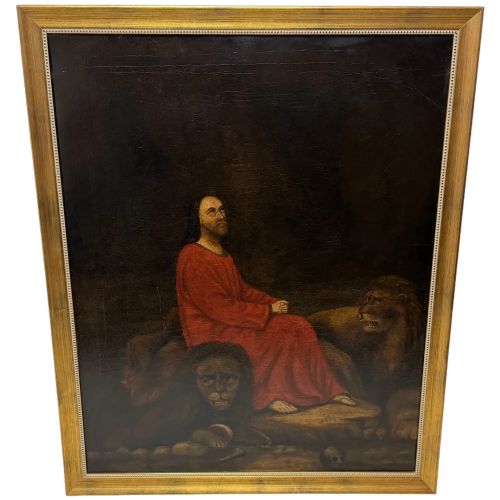
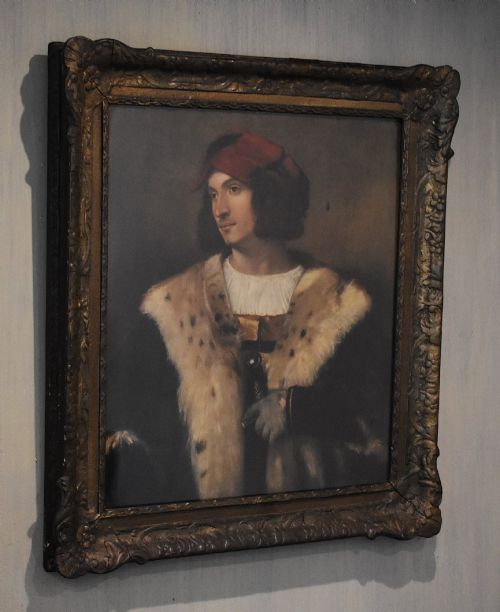
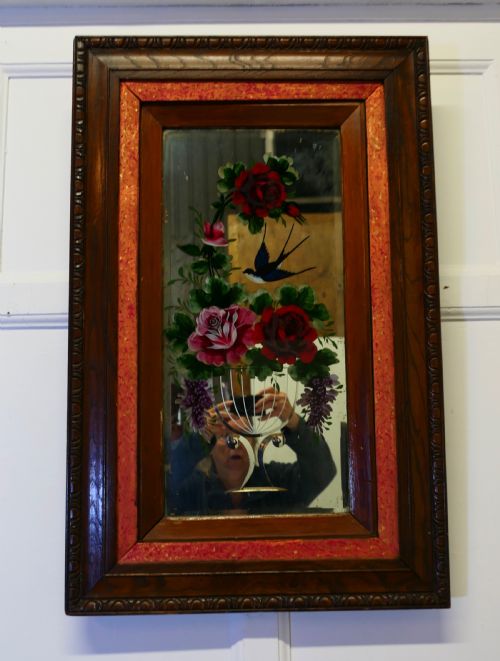
Dark red framed artwork brings together oil paintings, watercolours and glass paintings held in wood and giltwood surrounds from the eighteenth and nineteenth centuries.
Dark Red Framed Artwork
Dark red framed artwork encompasses oil paintings, watercolours, glass paintings, prints and wall mirrors spanning the eighteenth, nineteenth and twentieth centuries. These pieces present portraits, still lifes, biblical narratives and hunting scenes set within wood and giltwood frames.
The version most commonly encountered on this page is the nineteenth century oil painting on canvas, often capturing a portrait or floral subject within a substantial wooden or gilt frame. Alongside these, buyers find eighteenth century works and later twentieth century compositions.
Makers and schools represented across the selection include French School, Vladimir Aldoshin, Takabatake Kasho, Charles Johnson Payne Snaffles, James Stuart Park, John Raphael Smith, George Lance, Sir Thomas Lawrence, George Clint and John Jackson.
How dark red framed artwork was made
Works are executed in oil paint, watercolour or print on canvas, paper, panel or glass, depending on the period and medium chosen by the artist. Canvases are stretched over wooden supports, whilst panels and glass provide alternative firm grounds for pigment.
Frames are constructed from wood and giltwood, enclosing the pictorial surface securely. Glass elements are utilised for protection and reflection, particularly in reverse painted and etched mirror pieces.
Listings feature oil on canvas, paper, wood, glass and giltwood across Victorian, Georgian and twentieth century periods.
What varies in quality in dark red framed artwork
Quality rests upon the handling of the pigment and the fidelity of the composition, whether capturing a portrait subject, floral study or narrative scene. The depth of tone within the oil on canvas or watercolour surface marks the standard of execution.
The integrity of the surrounding wood or giltwood frame contributes significantly to the overall presence of the piece. Craftsmanship in the mounting and the preservation of the painted surface distinguish the finer examples from standard decorative works.
Vladimir Aldoshin·Takabatake Kasho·Charles Johnson Payne Snaffles·James Stuart Park·John Raphael Smith·George Lance·Sir Thomas Lawrence·George Clint·John Jackson
The Dark Red Framed Artwork Glossary
- Oil on canvas
- Pigment bound in drying oil applied to a woven canvas support. This medium allows for rich colour blending and textured brushwork.
- Giltwood
- Wood carved and coated with gold leaf or a gold-coloured metallic finish. It forms ornamental frames designed to catch the light.
- Glass painting
- Artwork applied directly to the reverse or surface of a glass pane. This technique produces a glossy finish and distinct optical depth.
- Watercolour
- Pigment suspended in a water-based, translucent solution applied to paper. It creates luminous washes and delicate detail.
- Oil on panel
- Pigment applied to a rigid wooden board rather than a flexible fabric canvas. This provided a stable support favoured in earlier periods.
Dark Red Framed Artwork: Frequently Asked Questions
What periods do these artworks come from?
The selection includes pieces originating from the eighteenth, nineteenth and twentieth centuries. Examples span Georgian, Victorian, Regency and later twentieth century production.
Specific dates within the titles range from the early seventeen hundreds through to works created after nineteen sixty.
What materials are used in these frames?
Frames are primarily constructed from wood and giltwood. These materials provide structured borders that complement the oil paintings, watercolours and glass pieces contained within.
Glass is also utilised both as a protective cover and as a primary medium for reverse painted and etched mirror artworks.
Are these works original or prints?
The inventory comprises original oil paintings, watercolours, glass paintings and panel works alongside fine prints. Individual titles specify whether a piece is an original watercolour or an after-work print.
Hand-painted oil on canvas and oil on panel pieces form a substantial portion of the available selection.
How should I display a framed mirror artwork?
Victorian reverse painted and etched mirror pieces require secure wall mounting due to their weight and glass composition. They benefit from placement away from direct moisture and harsh continuous sunlight.
Positioning them where they can reflect ambient room light enhances the decorative etched and rose-decorated surface.