




Regency Period Display Bookcase
A regency period display bookcase brings refined proportions and rich timber grain to a room, offering elegant storage for a collection of bound volumes.
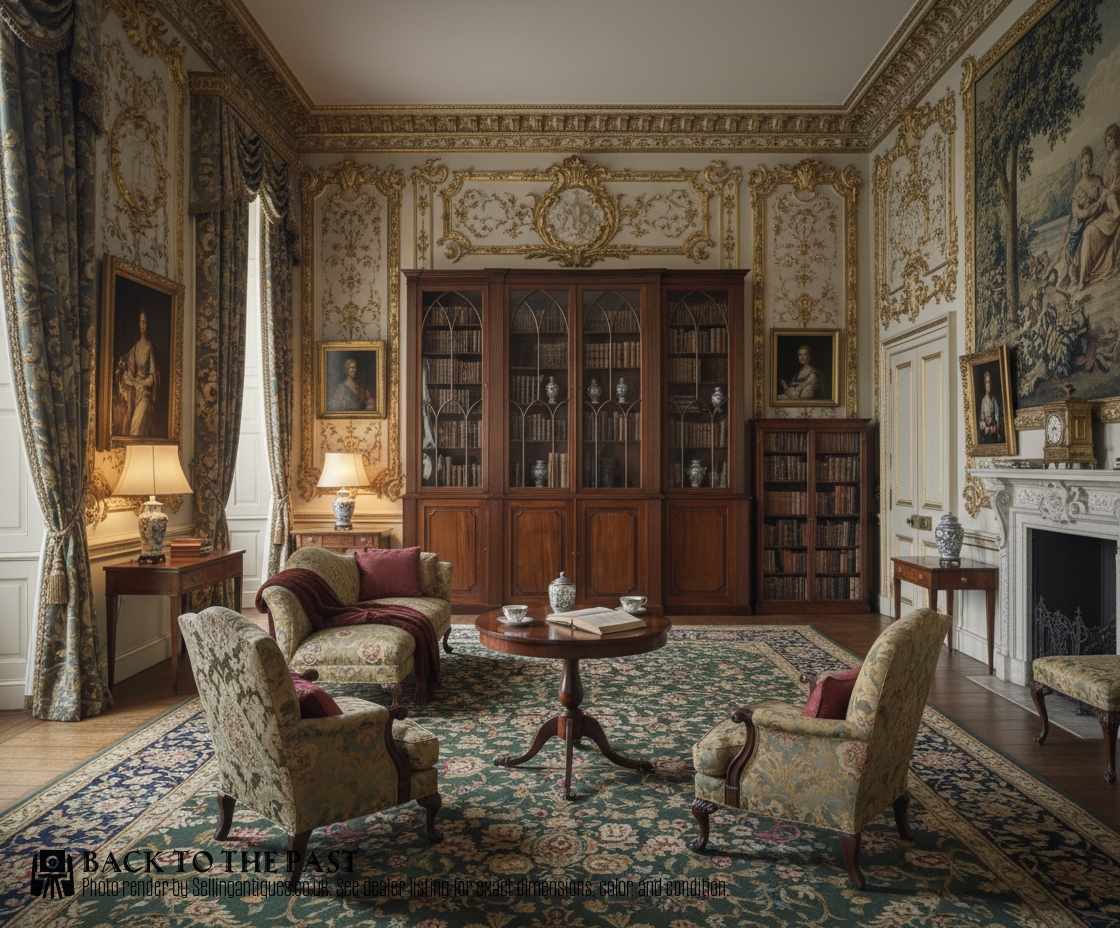
Regency Period Display Bookcase
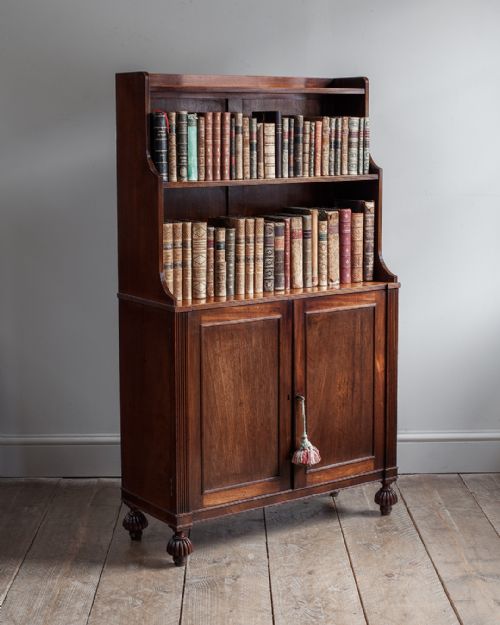
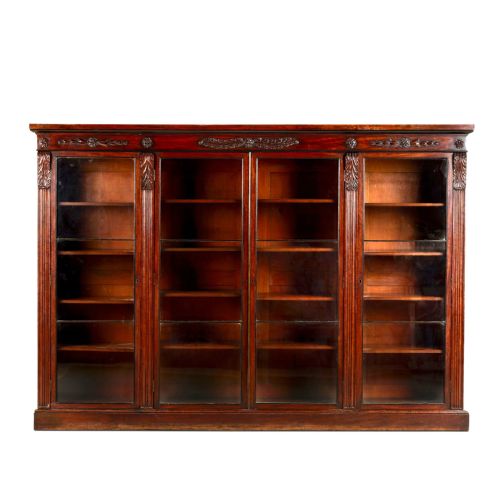
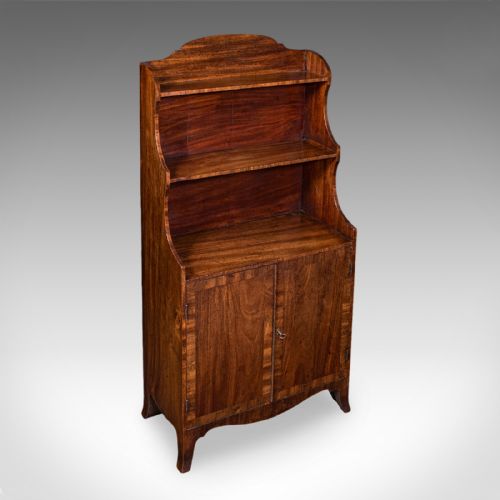
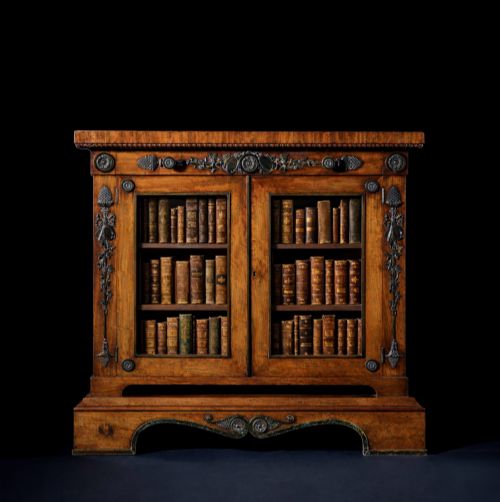
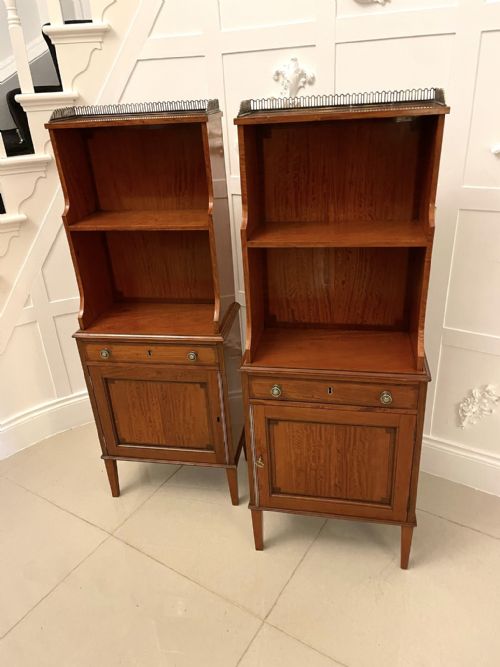
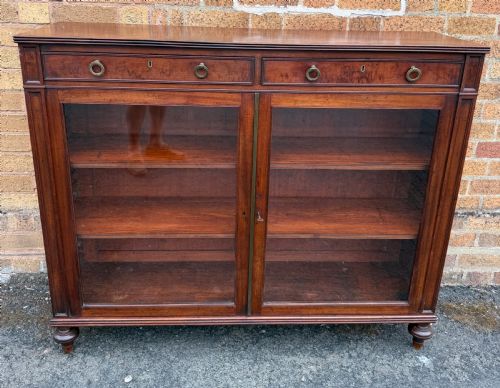
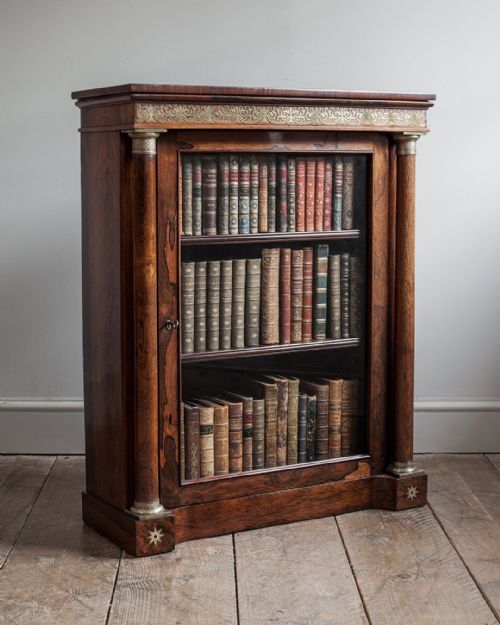
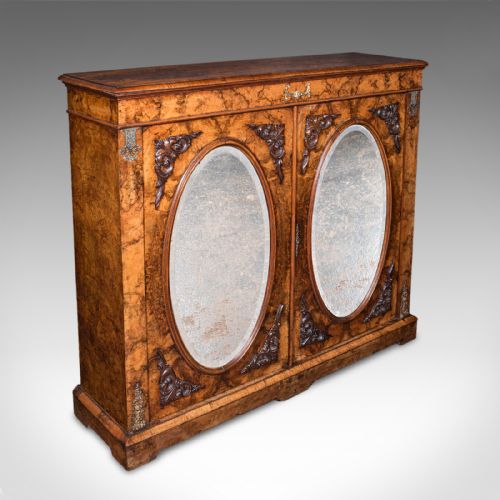
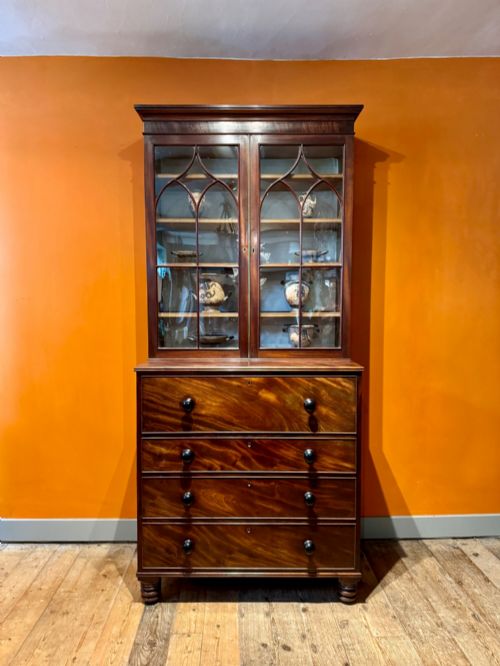
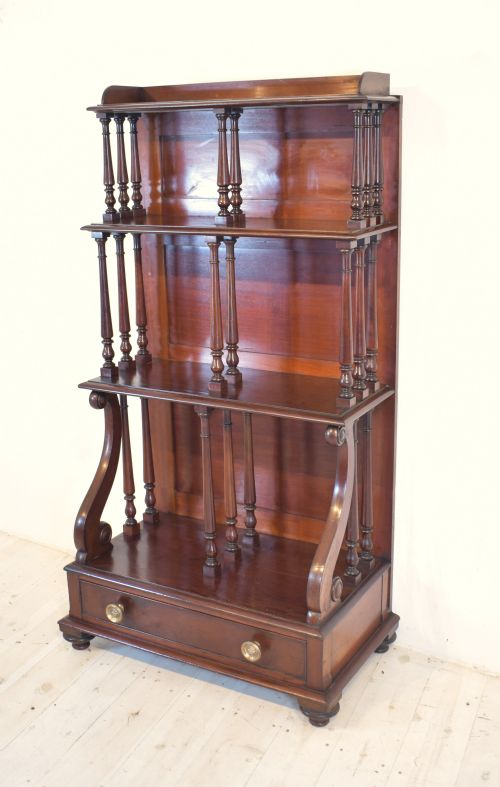
A regency period display bookcase comprises tall architectural library pieces, open shelf arrangements, and low side cabinets designed to showcase books and decorative objects. The pieces appearing most frequently take the form of freestanding mahogany bookcases, side cabinets, and rosewood waterfall units dating from the early nineteenth century.
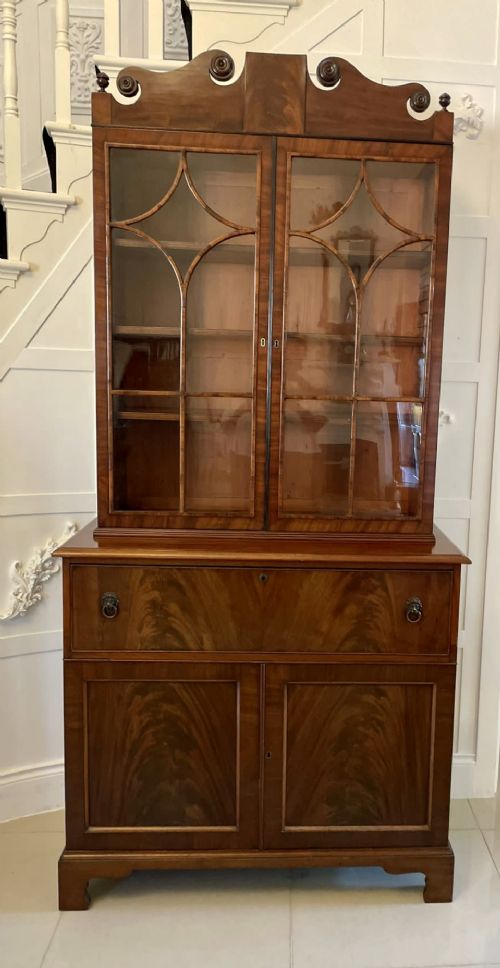
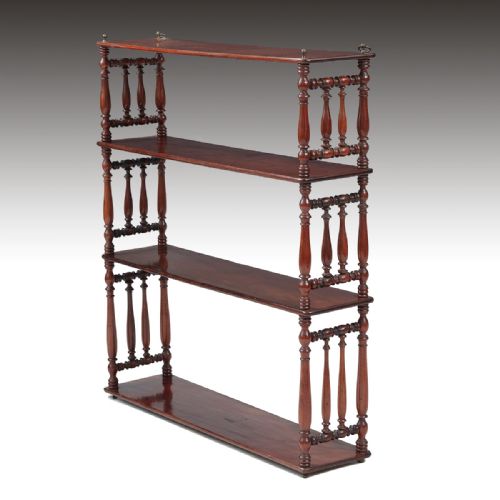
Makers and cabinetmakers working during the Regency, George III, George IV, and William IV periods produced these items in various configurations, including breakfront designs, secretaire cabinets with fitted writing drawers, and hanging wall shelves. Such furniture reflects the classical restraint and architectural influence characteristic of early nineteenth-century British design.
Distinguishing Quality and Execution
Superior examples separate themselves through the choice of timber, displaying highly figured flame mahogany or richly grained rosewood selected with deliberate symmetry across breakfront doors and panels. Finely cast brass mounts and precise inlay work further distinguish the finest examples from standard production.
Construction methods also define the tier of a piece, evident in the thickness of solid timber drawer linings, the neatness of dovetail joints, and the retention of original glass panes within doors. The balance of architectural proportions and the subtlety of carved or reeded details reveal the hand of a skilled workshop.
The furniture spans the Regency, George III, George IV, and William IV periods.
Gillows
The Regency Period Display Bookcase Glossary
- Breakfront
- A cabinet design where the central section projects forward from the flanking wings, creating a pronounced architectural rhythm across large library bookcases.
- Secretaire
- A cabinet incorporating a pull-down writing drawer fitted with small internal drawers and pigeonholes behind a fall-front panel.
- Waterfall bookcase
- A set of graduated open shelves stepping back as they rise, popular during the Regency period for holding smaller volumes and decorative items.
- Pier cabinet
- A low freestanding cabinet designed specifically to fit the narrow wall space between windows, often featuring glazed doors and brass mounts.
- Flame mahogany
- A veneer cut from timber where the branch junctions meet the trunk, producing a distinctive flickering flame pattern across the polished surface.
Regency Period Display Bookcase: Frequently Asked Questions
Where should I place a regency display bookcase?
These tall library pieces and low cabinets suit formal reception rooms, studies, or long hallways where their architectural lines can be appreciated against plain walls.
Ensure the room humidity remains stable to protect the antique timber and delicate veneers from shifting or drying out over time.
How do I distinguish Regency from Georgian pieces?
Regency furniture, produced roughly between eighteen hundred and eighteen thirty, often displays bolder classical influences, distinct brass inlay, and French-inspired mounts compared to earlier Georgian designs.
Look at the overall silhouette and secondary woods to help anchor the piece within the broader transition from late George III through George IV.
Can I adjust the shelves inside?
Most antique bookcases feature fixed wooden shelves supported on fixed wooden bearers or traditional vertical racks, depending on the specific cabinetmaker's design.
Because these interiors were constructed by hand during the early nineteenth century, forcing modern adjustable shelving systems into them will damage the internal structure.
What is a secretaire bookcase used for?
The drop-front writing drawer provides a concealed surface for correspondence and paperwork, while the upper glazed section displays books or ceramics.
This dual function made the form particularly popular in Regency libraries and morning rooms where space and utility mattered greatly.