

Regency Period Chiffonier
A regency period chiffonier offers low-level storage topped with shelves, providing a practical surface for display in nineteenth-century interiors.
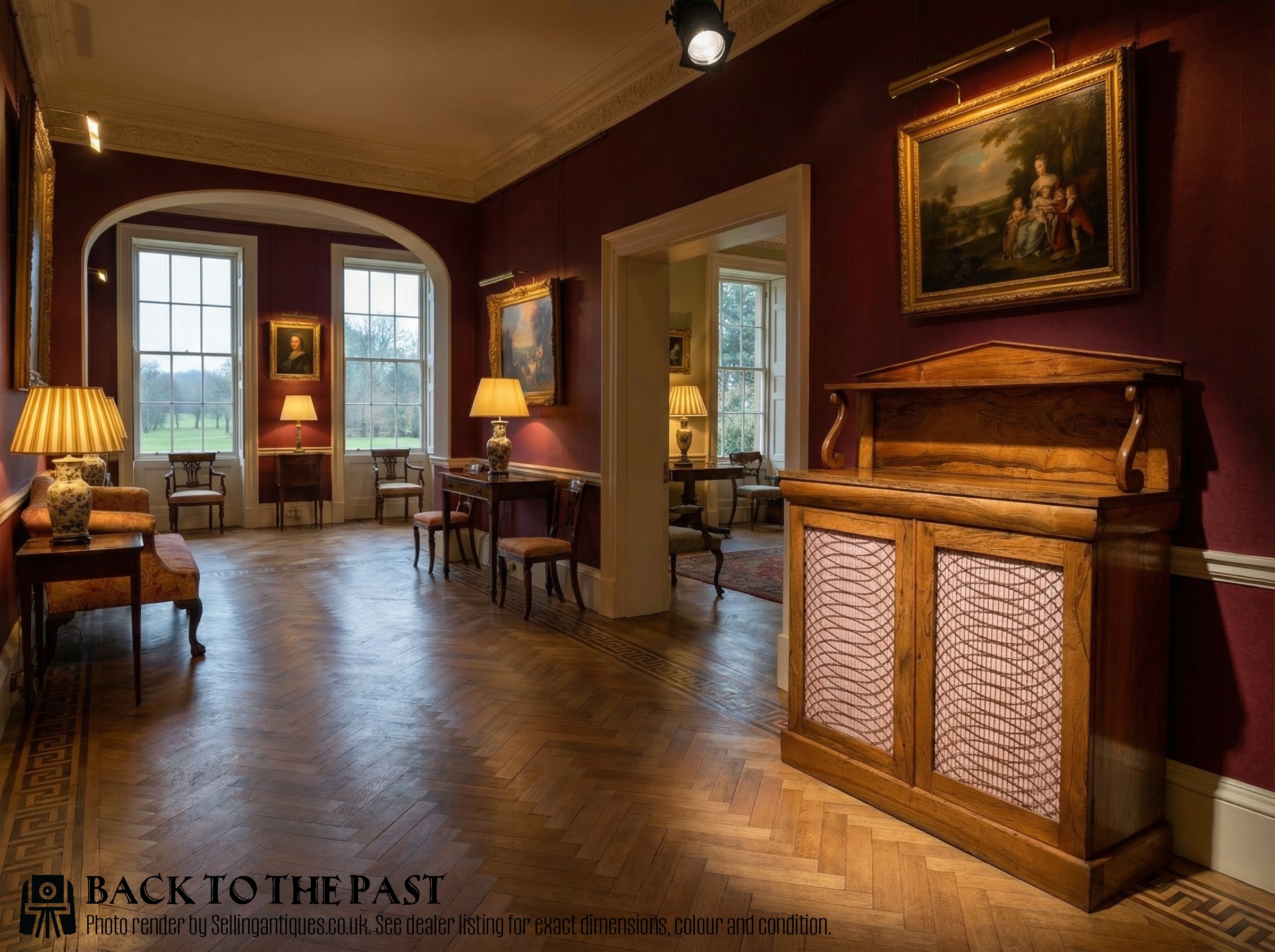
Regency Period Chiffonier
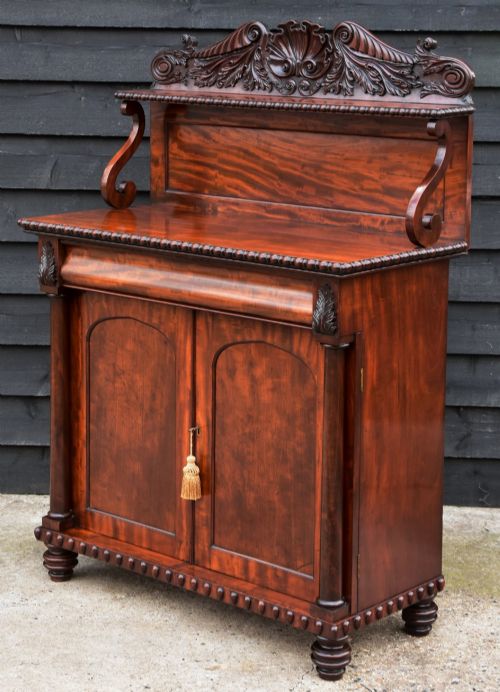
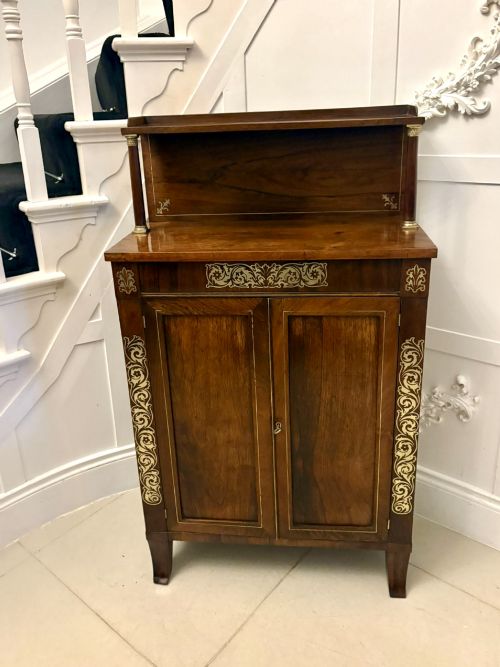
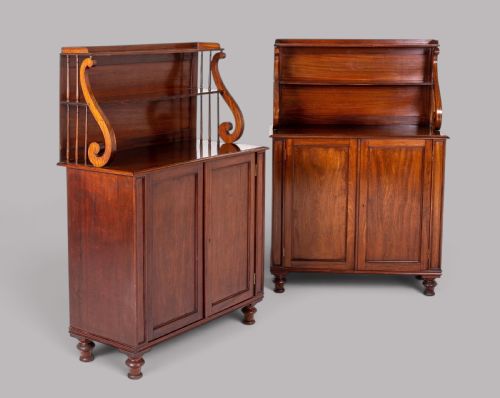
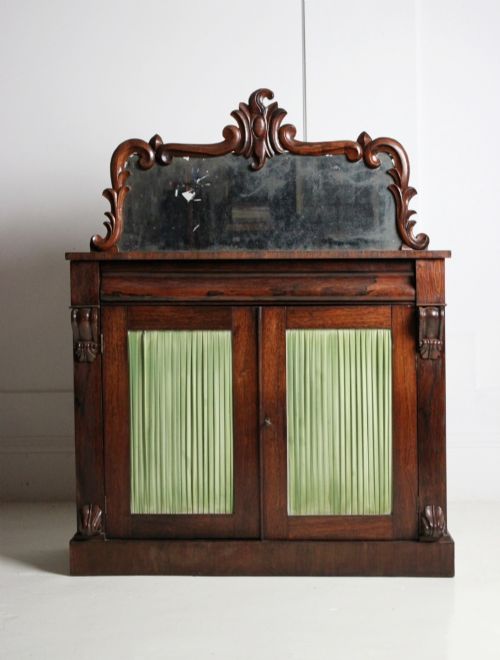
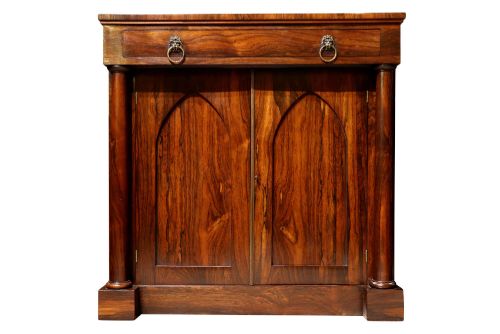
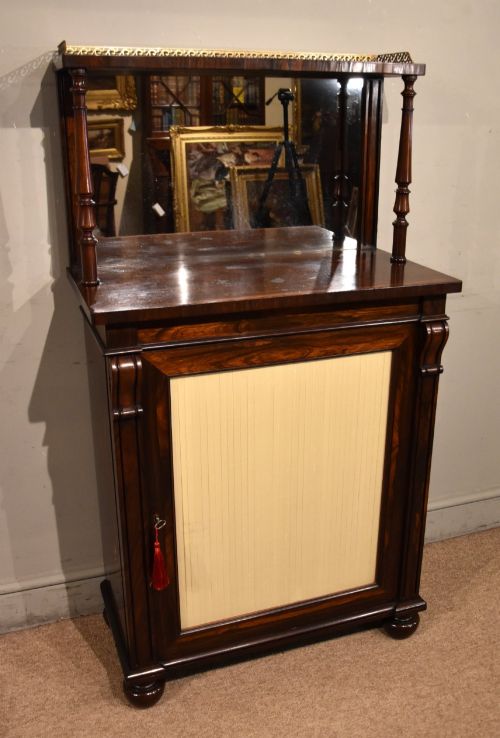
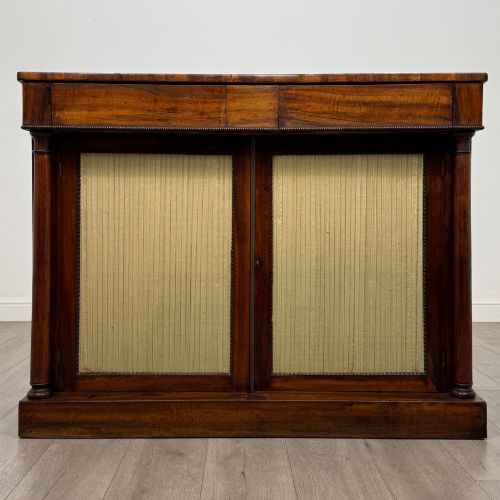
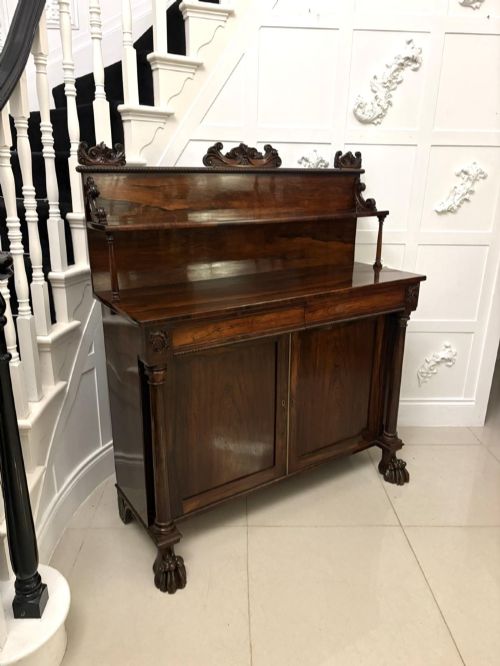
A regency period chiffonier is a low cabinet designed for the dining room or parlour, often incorporating upper shelves supported by pillars or a mirrored back. The pieces seen here span the Regency, George IV, and William IV eras, extending into the wider nineteenth century.
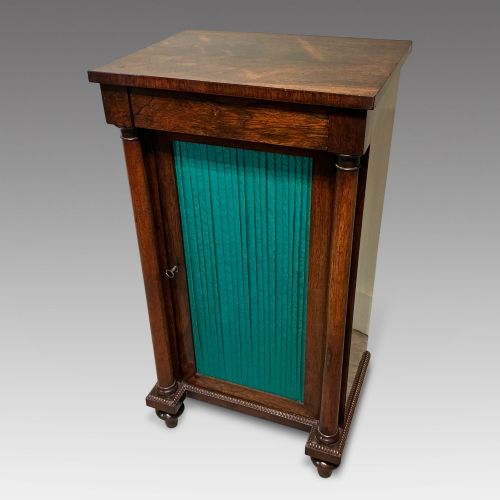
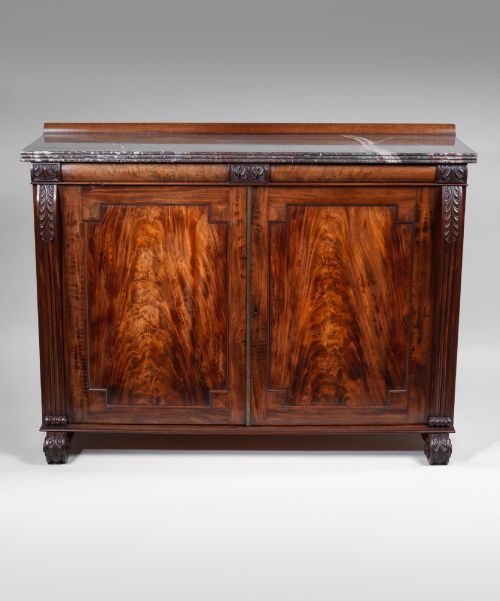
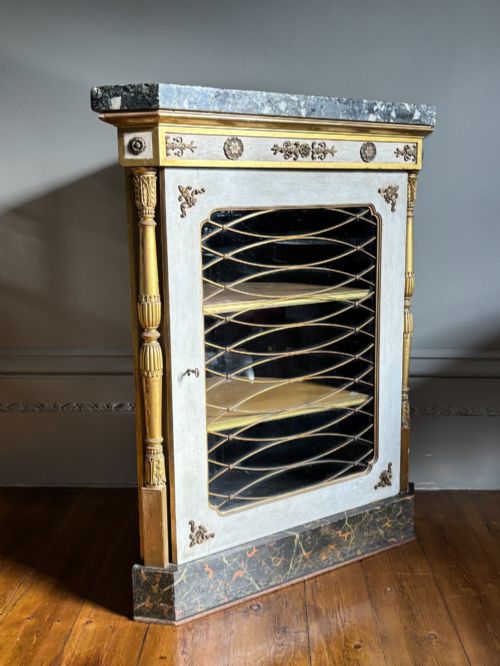
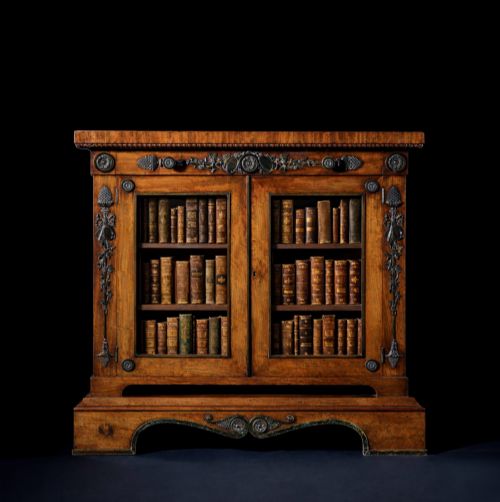
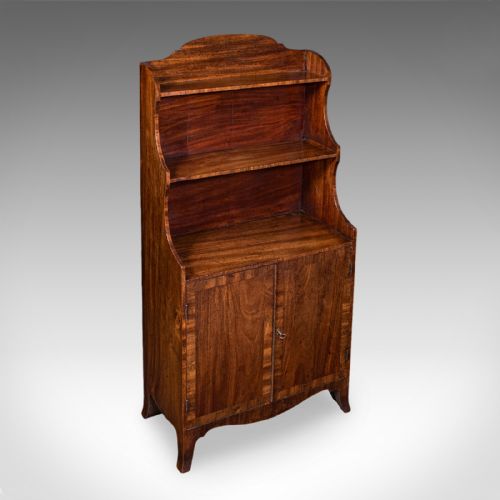
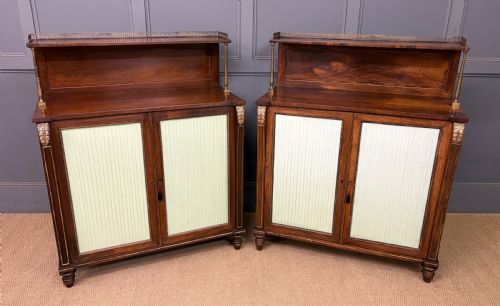
Most examples function as side cabinets, low cupboards, or small bookcases with two doors, occasionally featuring glazed panels or fabric lining behind brass grilles. These items combine enclosed lower storage with open display space above for books or decorative objects.
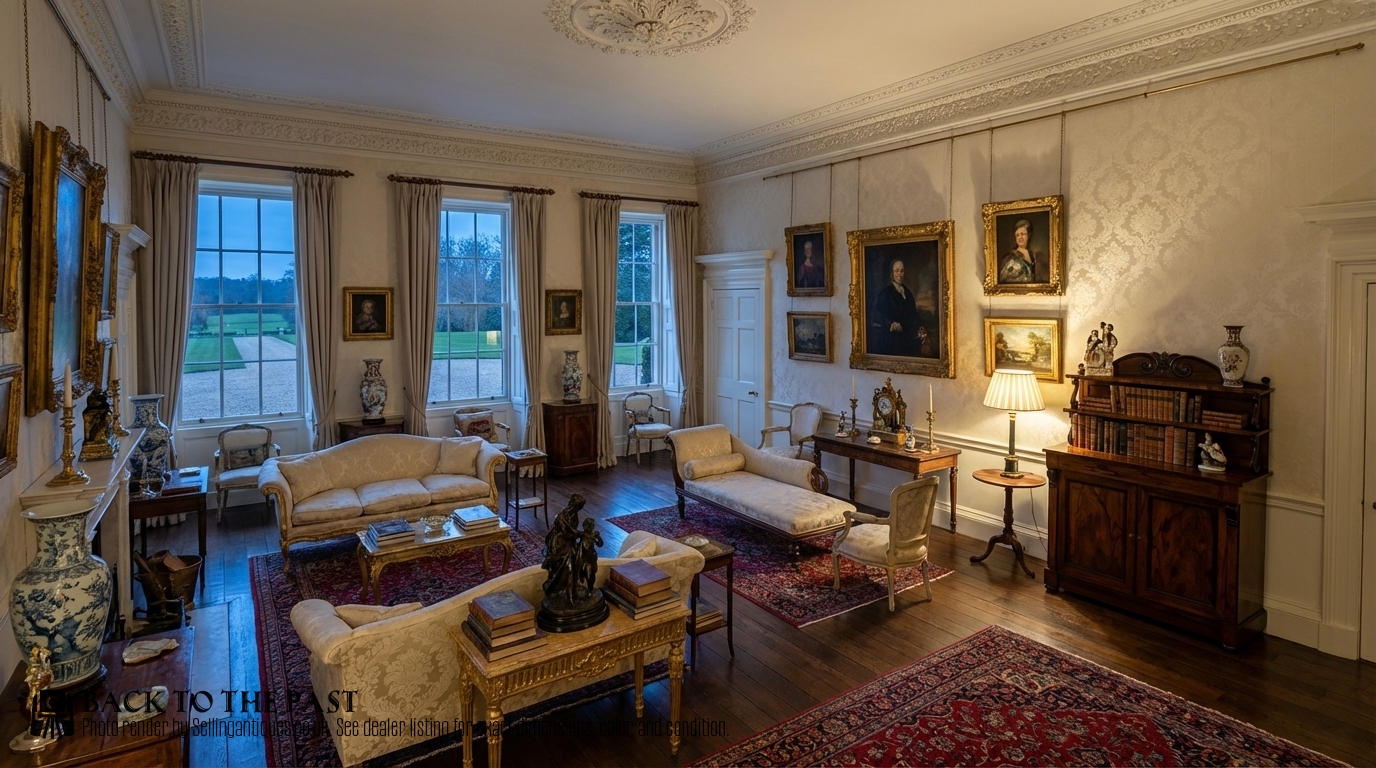
Materials and Construction
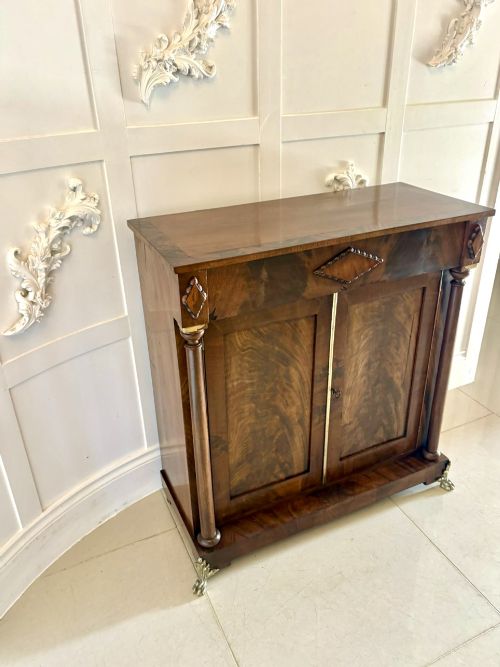
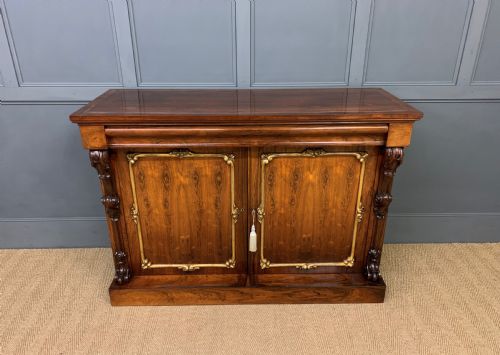
Cabinetmakers utilised dense timbers such as figured mahogany and rosewood, frequently applying flame mahogany veneer to create striking grain patterns across the doors and drawer fronts. Exotic woods like goncalo alves and amboyna also appear alongside simulated rosewood and satinwood.
Decoration relies on cast brass mounts, fine brass inlay, and gilt-bronze accents, which trace the architectural lines of the panels and doors. Pleated fabric panels behind wooden or wire grilles soften the lower cupboard doors in many rosewood examples.
Regency Period Chiffonier Retail Price Guide 2026
Typical asking prices for regency period chiffonier among the pieces listed under this phrase on Sellingantiques today, from the lower quarter to the upper quarter. They describe what is for sale here now, not the wider market.
The archive records pieces with brass inlay, silk-pleated panels, and open bookcase superstructures alongside standard two-door cupboards.
Assessing the Craftsmanship
The standard of timber selection largely defines the piece, distinguishing plain surfaces from those finished with richly figured veneers or carefully matched grains. Finer examples display meticulous attention in the precision of their brass inlay and the casting of their metal mounts.
Structural refinement shows in the joinery of the superstructure and the turning of the supporting columns for the upper shelves. Cabinetwork attributed to known workshops demonstrates superior stability and proportion in the integration of cupboard and shelf components.
Gillows
The Regency Period Chiffonier Glossary
- Chiffonier
- A low sideboard or cabinet featuring a cupboard base with shelves above. This form evolved during the early nineteenth century to hold dining silver or books.
- Rosewood
- A heavy, dark timber with distinct figuring utilised extensively during the Regency era. Cabinetmakers favoured its rich colour for high-status side cabinets.
- Flame Mahogany
- Timber cut from the branch junction of the mahogany tree to produce a flickering, flame-like grain pattern. It provides a decorative surface on cabinet doors.
- Goncalo Alves
- A dense exotic wood with contrasting dark brown and golden stripes. It appears on select Regency side cabinets.
- Brass Grille
- A protective metal lattice set into cabinet doors, often backed with pleated fabric. This detail allowed ventilation while concealing the contents of the cupboard.
Regency Period Chiffonier: Frequently Asked Questions
What is a regency period chiffonier used for?
These cabinets served primarily in dining rooms and living spaces to store tableware, linens, or books while providing a surface for serving or display.
The upper shelves held decorative items or volumes, keeping frequently accessed objects close at hand in domestic interiors.
How do I identify a regency piece?
Look for architectural proportions, classical motifs, and the use of dense timbers like mahogany and rosewood combined with brass inlay.
Details such as turned pillar supports and gilt-bronze mounts typically point toward the early nineteenth-century manufacturing period.
Where do I place a chiffonier?
These low cabinets suit dining rooms, hallways, or living spaces where floor-to-ceiling storage is unnecessary and wall space is limited.
The low profile ensures windows remain unobstructed when placed against walls beneath artwork or mirrors.
How do I care for rosewood surfaces?
Dust regularly with a dry, soft cloth and avoid placing the timber in direct sunlight or near heat sources to prevent warping.
Applying a traditional wax polish occasionally preserves the depth of the grain and protects the polished finish.