


Regency Period Ceramic Cups
Regency period ceramic cups are sophisticated vessels for tea and chocolate, offering refined neoclassical design and delicate hand-painted artistry for the discerning collector.
Regency Period Ceramic Cups
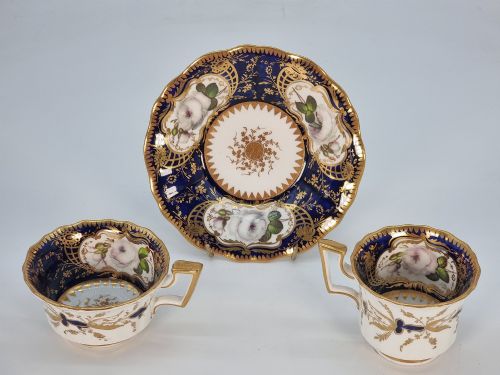
Regency period ceramic cups encompass a variety of elegant drinking vessels, including teacups and saucers, coffee cans, chocolate cups with covers, and cabinet trios. When exploring these items, collectors encounter pieces shaped by Georgian and Regency aesthetics, often manifesting neoclassical design principles.
The objects available on this page reflect the craftsmanship of the early nineteenth century, spanning periods from the late Georgian era into early Victorian production. Forms range from utilitarian tableware to decorative cabinet pieces designed for display rather than daily service.
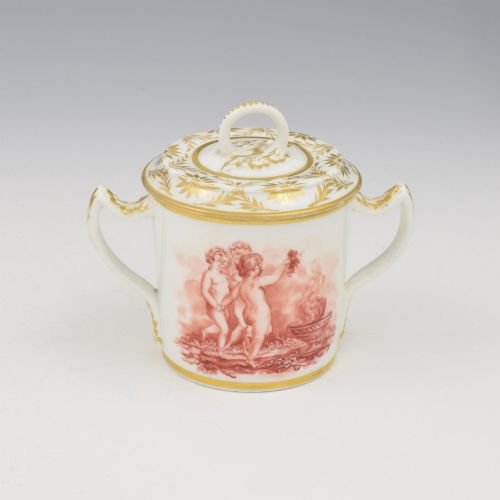
Originating predominantly from esteemed English factories alongside notable continental works like Berlin porcelain, these ceramic cups capture a distinct era of ceramic history. The selection showcases diverse vessel types, including specialised custard sets and comprehensive trios comprising a teacup, coffee cup, and matching saucer.
Materials and manufacture
Manufacturers of the era utilised fine ceramic bodies including bone china, hard-paste porcelain, and traditional earthenware to form these delicate vessels. The choice of body dictated the translucency and weight of the finished cup, with porcelain dominating high-status commissions.
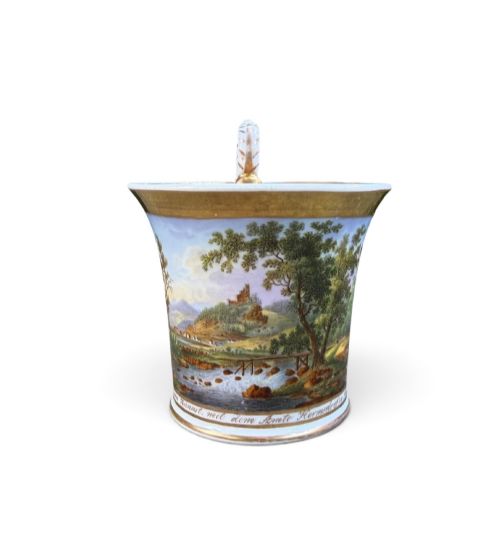
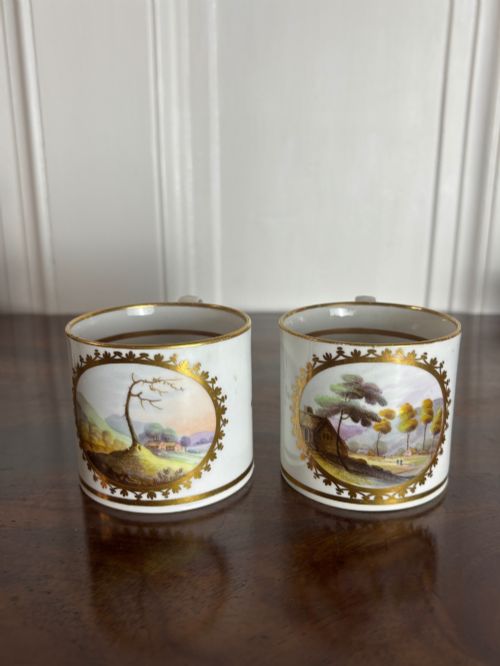
Decoration relied heavily on skilled hand-painting, incorporating detailed landscape paintings, topographical scenes, and figurative motifs such as sepia putti. Artisans applied gold leaf and gilding to accentuate rims, handles, and borders, elevating the visual appeal of the tableware.
Specialised techniques such as enamel work added vibrant colour palettes to patterns like the dragon in compartments design. Firing methods of the period required precise temperature control to achieve the smooth glazed surfaces characteristic of early nineteenth-century ceramics.
Listings feature early nineteenth-century porcelain and bone china from prominent English and continental works, spanning the Georgian and Regency periods.
Factors of quality
The standard of a piece depends significantly on the finesse of its painted decoration, distinguishing mass production from superior artistic output. Hand-painted topographical scenes and intricate figural compositions executed by skilled hands elevate a ceramic cup above standard transfer-printed wares.
Material composition also dictates superiority, with fine bone china and hard-paste porcelain offering greater delicacy and refined form than heavier earthenware bodies. The purity of the white ceramic ground provides a better canvas for subsequent enamel work and gilding.
The completeness and integrity of matched sets, such as cabinet trios or cups with original covers, influence the desirability of an item. Superior preservation of applied gold leaf and undamaged enamel detailing demonstrates the initial grade of materials and subsequent care.
Berlin porcelain·Bloor Derby Porcelain·Minton·Spode·Barr flight Barr Worcester
The Regency Period Ceramic Cups Glossary
- Cabinet cup
- A decorative ceramic vessel intended primarily for display in a cabinet rather than functional use at the tea table. These pieces often feature elaborate topographical paintings or gilt embellishments.
- Coffee can
- A straight-sided cylindrical cup designed specifically for drinking strong coffee during the early nineteenth century. They frequently accompany saucers in matched breakfast or tea sets.
- Trio
- A matched set comprising a teacup, a coffee cup, and a corresponding saucer. This configuration provided the dining guest with options for different hot beverages during formal meals.
- Hard-paste porcelain
- A durable ceramic material composed of kaolin and petuntse fired at high temperatures. It yields a hard, vitreous body with a bright white appearance.
- Gilding
- The application of gold leaf or powdered gold to ceramic surfaces for decorative effect. It highlights architectural motifs and frames painted panels.
Regency Period Ceramic Cups: Frequently Asked Questions
What is a cabinet cup?
A cabinet cup is a highly decorative vessel made for display rather than functional use during tea service. These pieces typically feature intricate hand-painted scenes or rich gilding.
Collectors prize them for their artistic merit and the quality of their porcelain bodies. They represent the pinnacle of early nineteenth-century ceramic artistry.
How do I care for antique porcelain?
Antique porcelain requires gentle hand washing in lukewarm water with mild soap. Avoid abrasive sponges or immersion in hot water to protect fragile gilding and enamel.
Display pieces safely away from direct sunlight and sudden temperature changes. Proper handling preserves the delicate painted surfaces and structural integrity of the ceramic.
What is a coffee can?
A coffee can is a cylindrical cup without a footring, designed for serving strong coffee in the Georgian and Regency periods. They lack the curved sides of standard teacups.
These vessels usually appear alongside a matching saucer as part of a breakfast service. Their distinct shape reflects the dining fashions of the early nineteenth century.
How do I identify Regency ceramics?
Regency ceramics often display neoclassical motifs, balanced proportions, and refined gilding. Examining the paste, glaze quality, and painting style helps determine the period.
Factory patterns and stylistic traits provide clues to dating the piece accurately. Comparing handles and footrims against known factory examples confirms the era of manufacture.