


White Ceramic Coffee Cups
White ceramic coffee cups are historical porcelain drinking vessels that bring early ceramic artistry to your daily table.
White Ceramic Coffee Cups
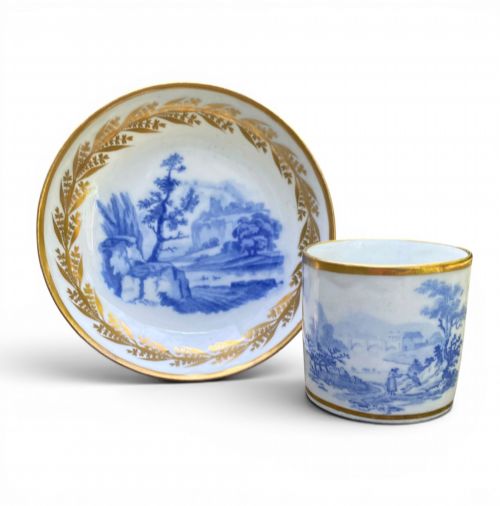
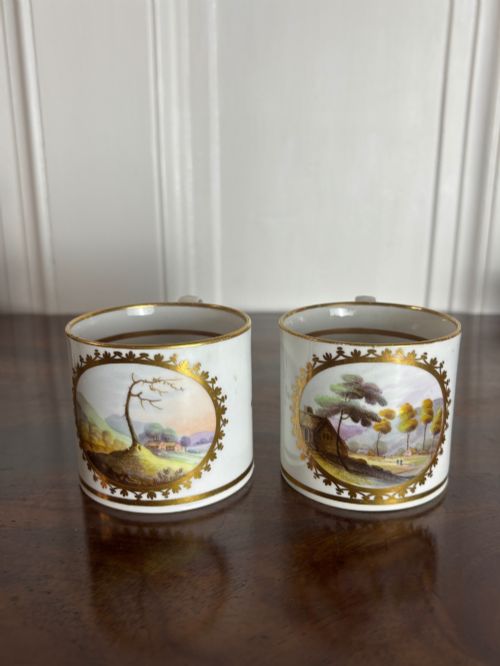
White ceramic coffee cups encompass historical porcelain drinking vessels spanning the eighteenth and nineteenth centuries, including Georgian and Regency periods. When searching for white ceramic coffee cups, a buyer most frequently encounters fine porcelain teacups, coffee cans, and demitasse cups originating from prominent British and continental factories.
The selections on this page range from early Worcester and Liverpool productions to later nineteenth-century neoclassical and rococo revival forms. These pieces often arrive paired with matching saucers or as part of larger teaware trios, displaying diverse stylistic influences from traditional English florals to chinoiserie designs.
Methods and Materials
Makers utilised soft-paste porcelain and bone china as the primary white ceramic foundations for these historical coffee cups. Artisans shaped these bodies into distinct forms such as straight-sided coffee cans and fluted cups.
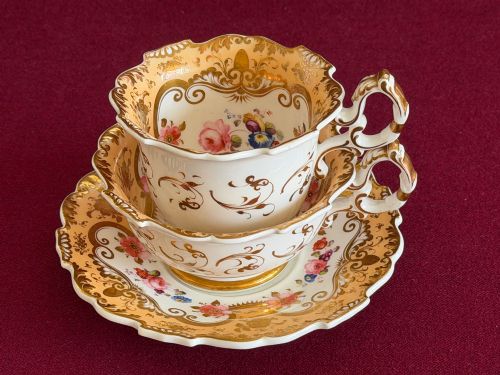
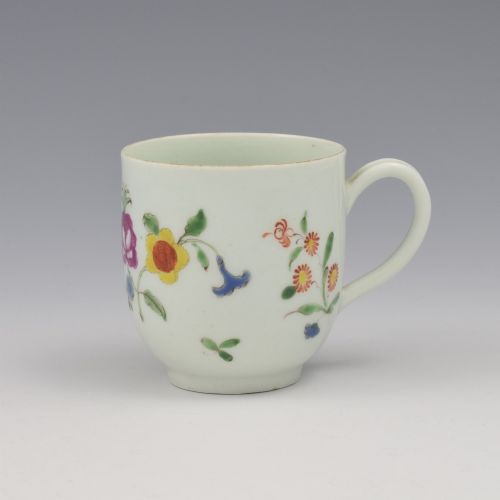
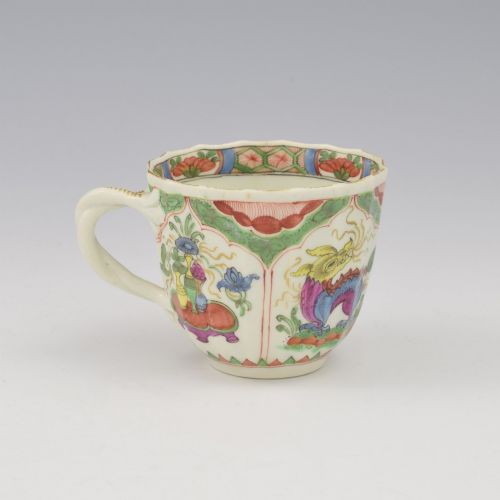
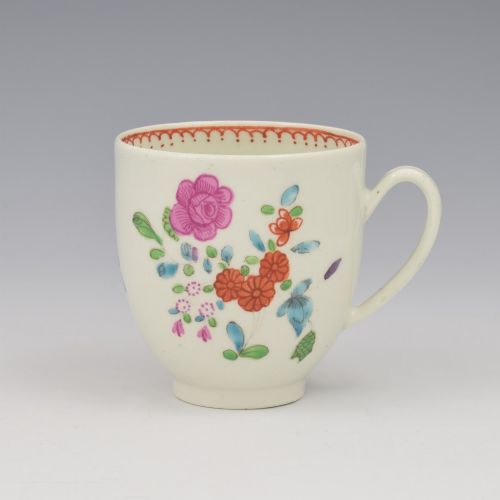
Decoration relied upon hand painting, enamel application, and gilding with gold leaf or gold gilt. Skilled hands applied polychrome floral motifs, landscape paintings, and intricate Chinese figures directly onto the white ceramic surfaces.
Listings feature eighteenth and nineteenth-century porcelain, including soft-paste porcelain, bone china, and enamel finishes across Georgian, Regency, and neoclassical styles.
Factors of Distinction
Quality in these white ceramic coffee cups rests upon the fineness of the porcelain body and the crispness of the moulded shape. Early soft-paste bodies and delicate fluted walls demonstrate superior potting skill.
The execution of the painted decoration dictates the upper tier of these pieces. Hand-painted polychrome scenes, precise gilding, and detailed enamel work by established factories elevate individual cups far above standard domestic wares.
A H & R Daniel·Richard Chaffers·New Hall·KPM
The White Ceramic Coffee Cups Glossary
- Soft-paste porcelain
- An early artificial ceramic composition fired at lower temperatures than true hard-paste porcelain, creating a warm white body often found in eighteenth-century pieces.
- Coffee can
- A straight-sided cylindrical porcelain cup designed specifically for drinking coffee during the Georgian and Regency periods, distinct from the curved shape of a traditional teacup.
- Chinoiserie
- A European decorative style reflecting Chinese artistic influences, frequently seen in hand-painted figures and landscape patterns on eighteenth-century porcelain.
- Demitasse
- A small porcelain cup used for serving strong black coffee or espresso, often accompanied by a matching saucer.
- Gilding
- The application of gold leaf, gold gilt, or metallic paint to highlight rims, handles, and painted compartments on ceramic surfaces.
White Ceramic Coffee Cups: Frequently Asked Questions
How do I date an antique white coffee cup?
Dating relies on identifying the specific porcelain body, such as eighteenth-century soft-paste or later bone china, alongside stylistic clues like neoclassical forms or hand-painted botanical motifs. Factory marks, where present, further narrow the production window.
Comparing the shape and potting technique to known pieces from factories like Worcester or New Hall helps confirm the precise era of manufacture.
Are these historical cups safe for daily use?
While these pieces were originally functional drinking vessels, their age and delicate soft-paste or bone china construction require careful handling. Hand washing in warm water without harsh detergents is essential to preserve the fragile glazes and hand-applied gilding.
Many collectors prefer to display them or reserve them for very occasional use to protect the historical enamel work from modern dishwasher heat and chemical wear.
How should I display my porcelain cups?
Displaying these white ceramic pieces safely involves using stable plate stands or enclosed cabinets protected from direct sunlight and heavy foot traffic vibrations. Proper spacing prevents accidental chipping between cups and their matching saucers.
Good interior lighting enhances the translucent quality of the fine porcelain and highlights the detailed hand-painted enamel colours.