





Regency Pedestal End Table
Regency pedestal end table designs combine practical proportions with architectural forms, offering robust pillar supports and compact surfaces that suit modern rooms.
Regency Pedestal End Table
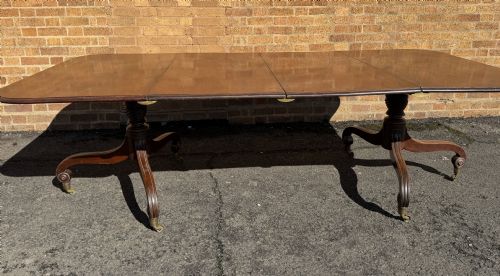
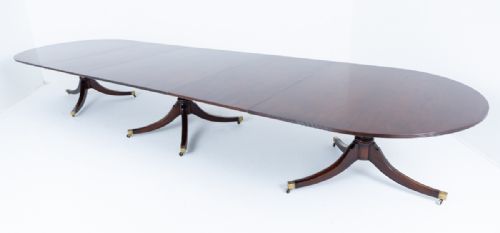
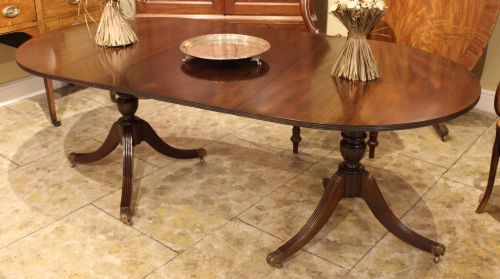
A regency pedestal end table typically takes the form of a small side table, occasional piece, or dining table component rooted in the nineteenth century and later revival periods. The inventory spans authentic period works alongside twentieth-century interpretations.
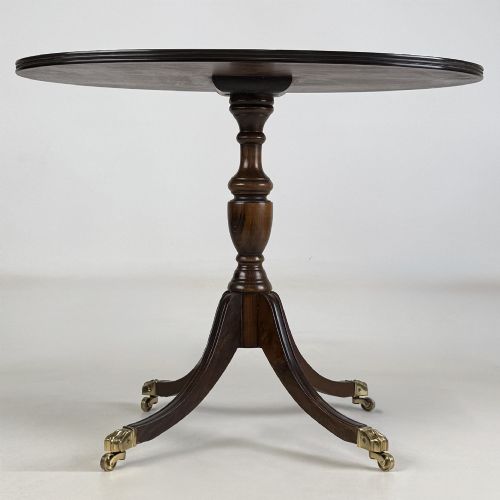
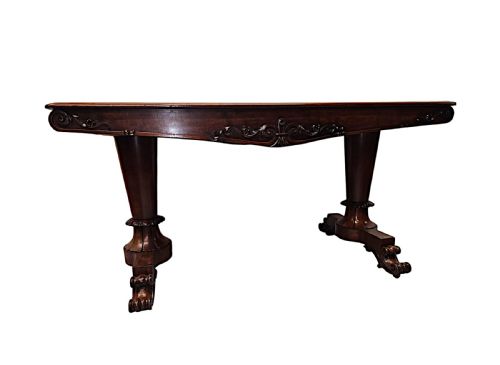
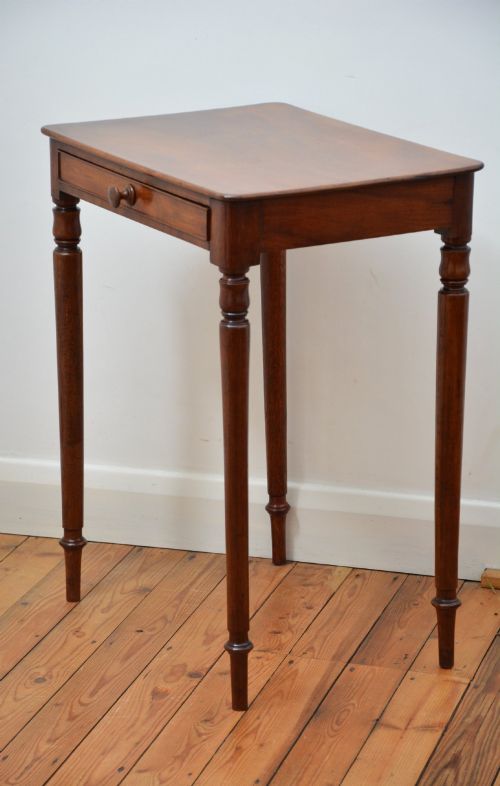
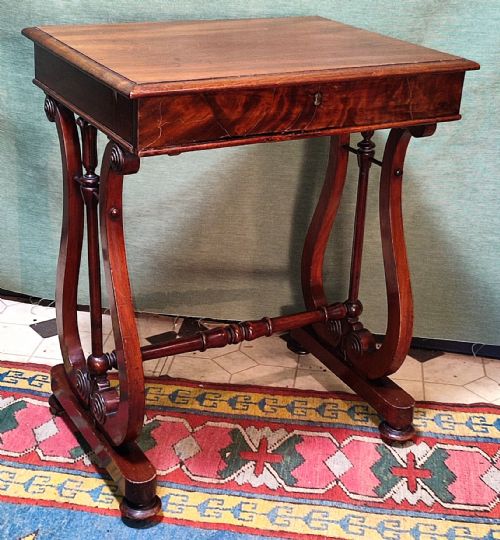
Makers and manufacturers produced these items in dining tables, side tables, lamp tables, and library tables, often employing multiple pillars or a central pedestal base.
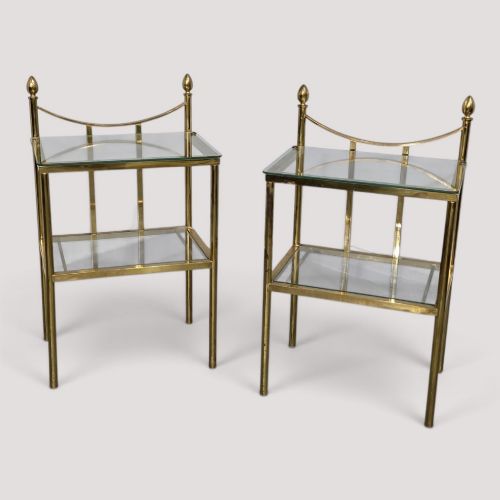
The selections range from early nineteenth-century dining tables with D-end sections to compact bedside and occasional tables from later decades.
How they were made
Makers utilised dense timbers such as mahogany and rosewood, frequently incorporating burr oak veneer or yew wood for distinct grain patterns on the surfaces.
Metal components like brass appeared in castors, handles, and intricate inlaid details, while leather inserts provided durable writing or game surfaces.
Certain specimen wood tables incorporate timber gathered from distant regions, turning a simple occasional surface into a literal cabinet of curiosities.
What varies in quality
The standard of timber selection and veneer matching defines the visual weight of the piece, distinguishing finely figured mahogany from plain alternatives.
The execution of brass inlay, turned pedestal columns, and stability in the pillar supports reveal the skill applied during construction.
Williams and Gibton
The Regency Pedestal End Table Glossary
- Pedestal
- A central upright column supporting a tabletop, often resting on carved or reeded feet. This construction allows for greater legroom around smaller tables.
- D-End
- A semicircular table end that resembles the letter D, commonly used in modular dining tables. These sections detach or join with other leaves to alter the table length.
- Pembroke table
- A small rectangular table with hinged drop flaps on either side. It frequently includes one or two drawers and slender legs or a central pedestal.
- Ebonised wood
- Timber treated with a dark stain or finish to imitate ebony. This technique creates a high-contrast decorative effect against brass or lighter woods.
Regency Pedestal End Table: Frequently Asked Questions
What is a pedestal end table?
A pedestal end table is a compact support surface resting on a central column or pillar rather than four corner legs.
These pieces function as lamp tables, side tables, or modular sections of larger dining formats.
How do I identify a Regency table?
Authentic Regency pieces typically date from the early nineteenth century and display classical architectural motifs, such as reeded columns and brass inlays.
Revival versions from the twentieth century often replicate these distinct proportions and mahogany or rosewood materials.
Where should I place an end table?
These tables fit beside sofas, beds, or in small reception spaces where surface area is needed without bulk.
Their compact footprints make them adaptable to various room layouts and seating arrangements.
What woods were used in these tables?
Makers predominantly utilised mahogany, rosewood, and oak, occasionally incorporating exotic timbers like burr oak veneer or yew wood.
These dense materials provided structural stability for the central pillars and tabletops.