

Regency Painted Porcelain
Regency painted porcelain brings together vibrant hand-coloured motifs and fine ceramic bodies from the early nineteenth century to brighten a cabinet or table.
Regency Painted Porcelain
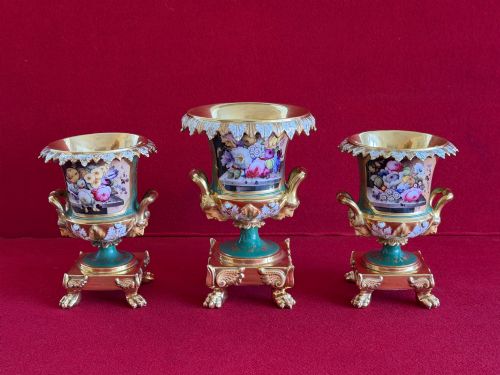
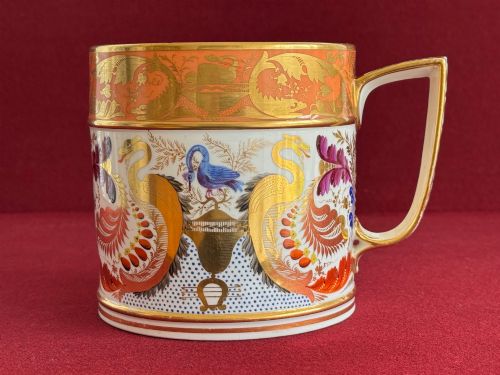
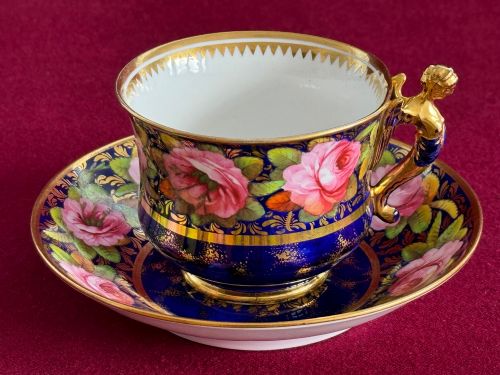
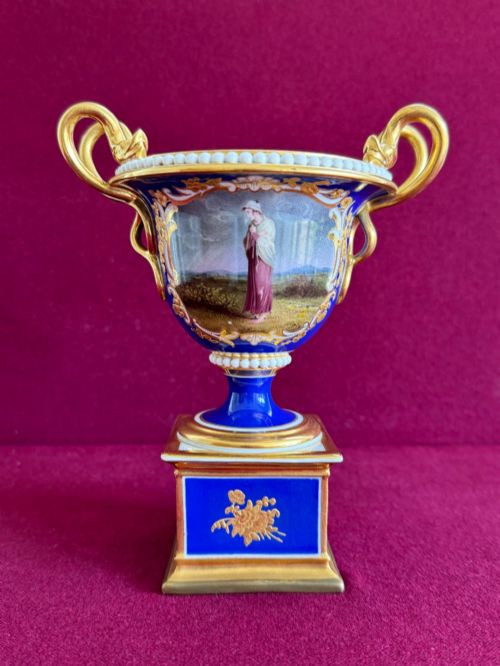
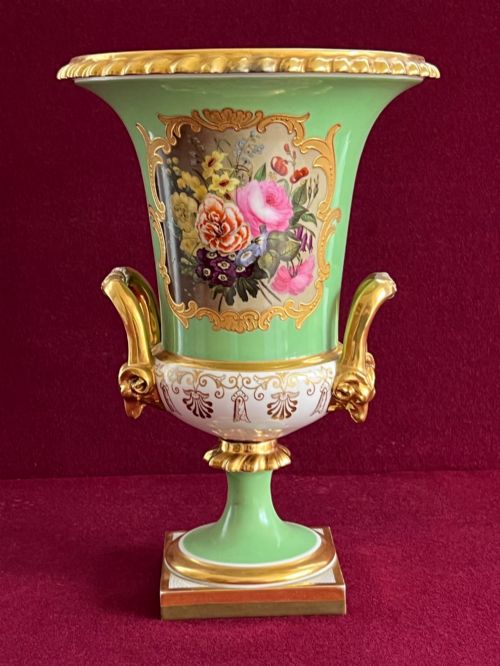
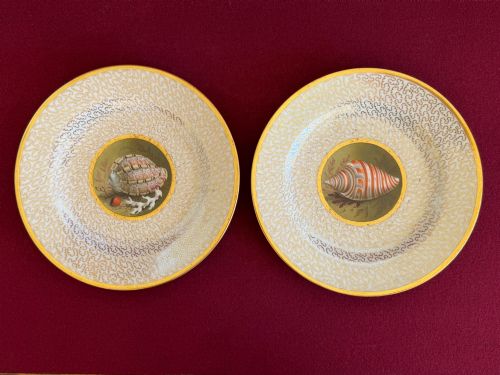
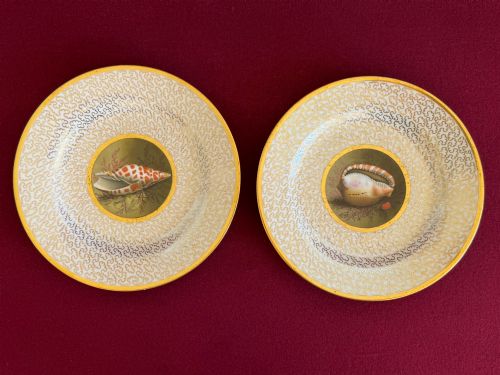
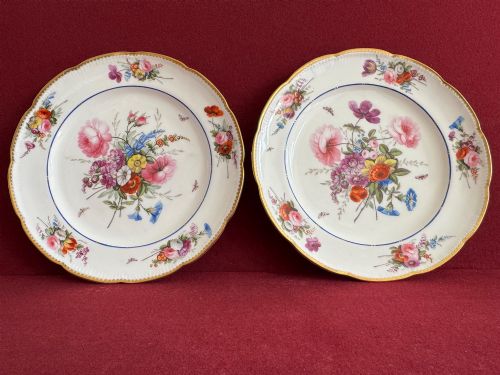
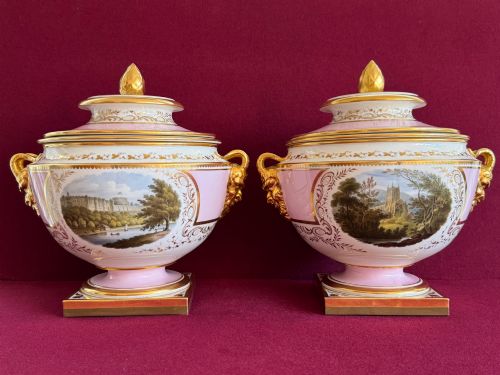
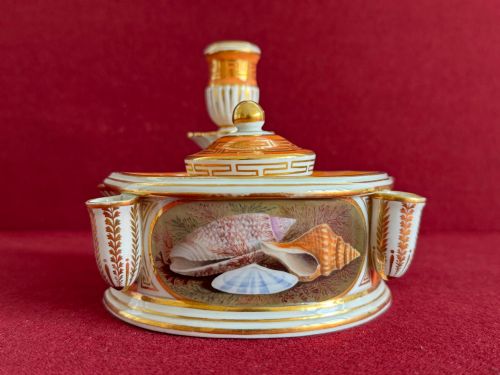
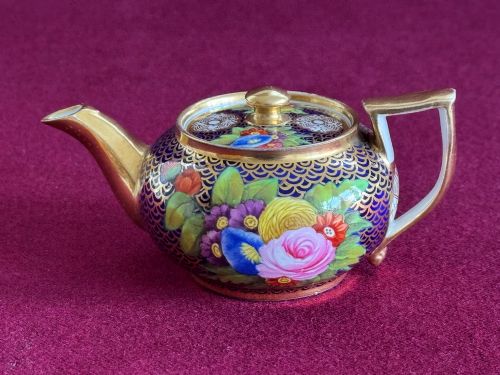
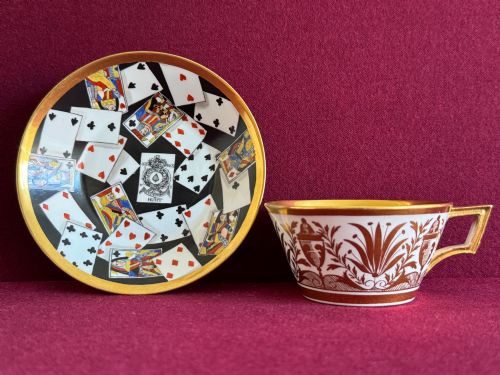
Regency painted porcelain encompasses decorative and useful table wares produced during the Regency, Georgian, and wider nineteenth-century periods, capturing the refined taste of the era. Buyers seeking these items encounter a variety of forms, from delicate teacups and coffee trios to cabinet plates, vases, urns, and comports.
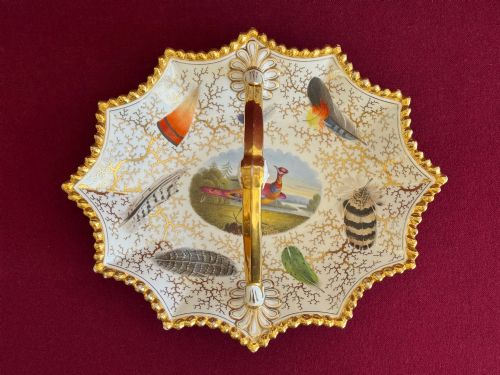
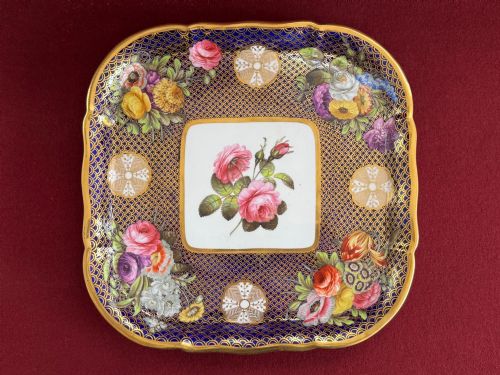
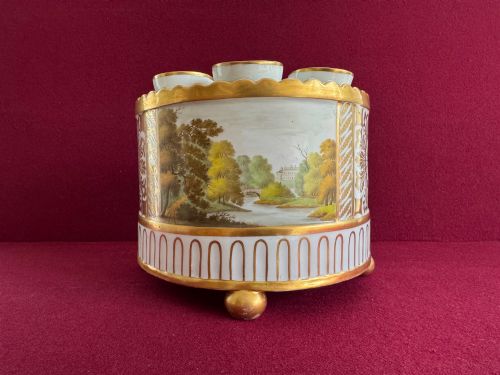
The objects frequently display Neoclassical influences, Regency Chinoiserie designs, or meticulous hand-painted botanical studies, birds, and topographical scenes. Dessert services, miniature baskets, and specific shapes such as the Shrewsbury or Shell Edge footed tazza are typical formats encountered on this page.
Materials and manufacture
Makers utilised refined porcelain, bone china, ironstone, and specialised ceramic bodies like felspar porcelain to form durable yet delicate vessels. These pastes provided a smooth, white ground ideal for subsequent enamelling and gilding.
Artisans applied polychrome enamel colours by hand, often incorporating gold leaf and rich gilding to highlight borders, handles, and motifs. Advanced firing techniques allowed complex patterns, from sepia putti to botanical specimens, to fuse permanently with the glaze.
Butterflies serve as handles on a covered pedestal bowl, proving that nineteenth-century potters enjoyed a touch of whimsy with their tea.
Assessing quality and execution
Quality in these ceramics rests primarily upon the precision and artistic merit of the hand-painted decoration. Finely rendered subjects, such as detailed birds, landscapes, or botanical studies, demonstrate superior studio craftsmanship compared to repetitive stencilled motifs.
The refinement of the porcelain body and the lavishness of the gilding further distinguish exceptional pieces. Well-balanced forms, crisp moulding on specialised shapes like foliage candlesticks or handled baskets, and well-preserved enamel colours elevate an item within its period.
Grainger Lee And Co·Flight Barr And Barr·Spode·H And R Daniel·Derby Porcelain·Wedgwood·Chamberlain Worcester·Royal Staffordshire·Coalport·Berlin·Bloor Derby·Ridgway·Hicks And Meigh·Minton·John Davenport·Rockingham·Yates Leeds·Newhall
The Regency Painted Porcelain Glossary
- Bone china
- A type of soft-paste porcelain strengthened with bone ash, producing a durable, slightly translucent white body favoured by English potteries.
- Felspar porcelain
- An innovative ceramic body introduced by Spode containing felspar, which improved the whiteness and durability of the ware.
- Trio
- A matched set consisting of a teacup, a coffee cup, and a matching saucer, popular for nineteenth-century entertaining.
- Comport
- A raised dish or tazza used for serving fruit or sweets as part of a grand dessert service.
- Gilding
- The application of gold leaf or gold paint to ceramic surfaces, utilised extensively to accent rims, handles, and painted panels.
Regency Painted Porcelain: Frequently Asked Questions
How do I care for antique porcelain?
Wash these pieces gently by hand in warm water using a mild detergent, avoiding harsh scrubbers or modern dishwashers.
Protect the fragile enamel and gold leaf accents by storing them securely away from heavy stacking.
Were these items used daily?
Many tea and coffee trios, plates, and services were designed for dining and entertaining in affluent households of the era.
Finely painted cabinet pieces and large urns, however, served primarily as decorative ornaments for display.
How do I distinguish Regency pieces?
Look for characteristic early nineteenth-century forms, Neoclassical motifs, and specific factory patterns recorded in the period.
Handle styles, paste types like bone china or felspar, and hand-painted signatures or pattern numbers often help confirm dating.
What is a cabinet plate?
A cabinet plate is a decorative ceramic dish intended for display in a cabinet or on a wall rather than for practical dining use.
These pieces typically feature elaborate hand-painted scenes, botanical studies, or rich gilding that would suffer from regular table service.