
Regency Open Cabinet
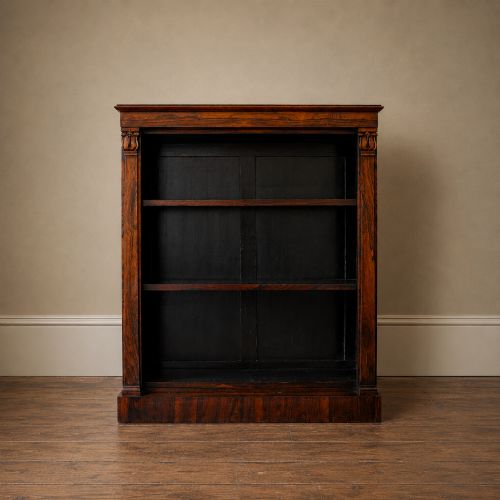
A regency open cabinet offers accessible shelving and display space, combining clean architectural lines with rich timber figures.
Regency Open Cabinet
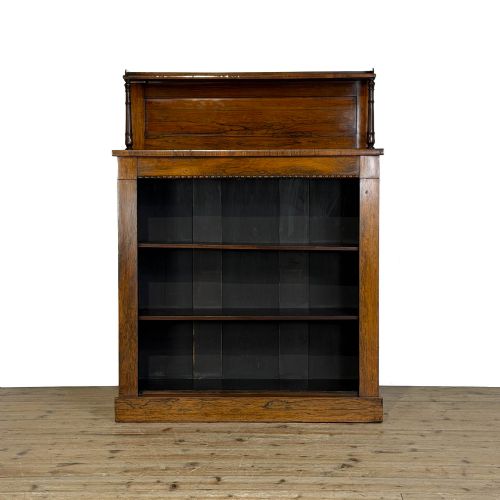
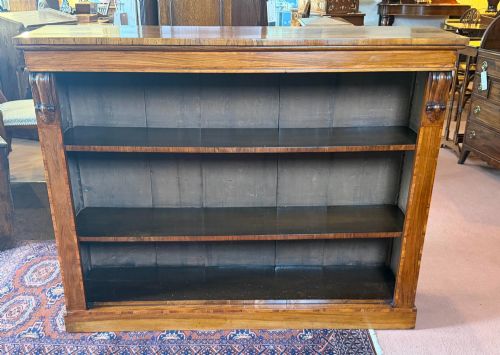
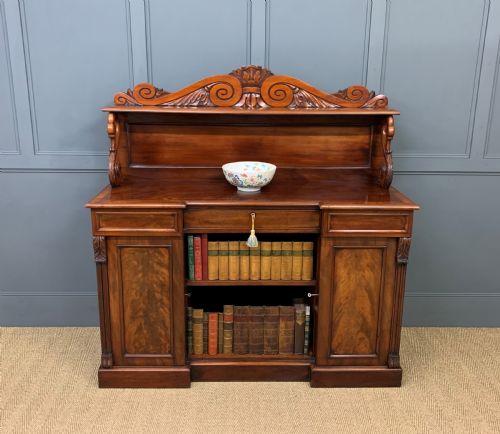
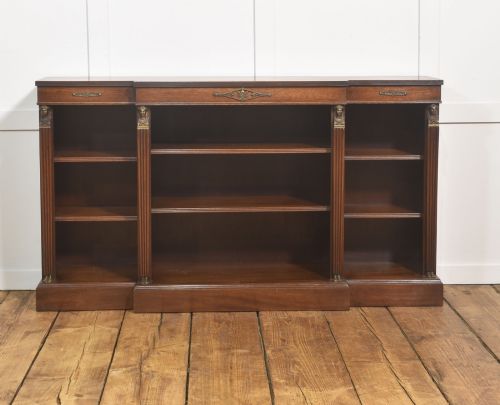
A regency open cabinet functions primarily as a bookcase or low display unit, providing open shelving for books and decorative objects without the barrier of glazed doors. These pieces emerge most commonly from the nineteenth century, spanning periods from Georgian through William IV and Victorian revivals.
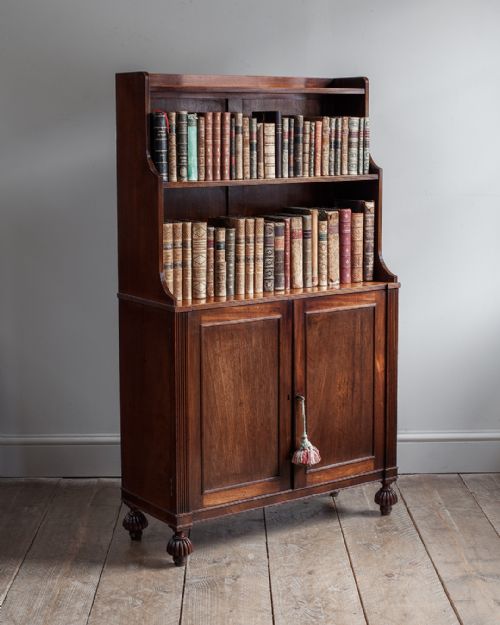
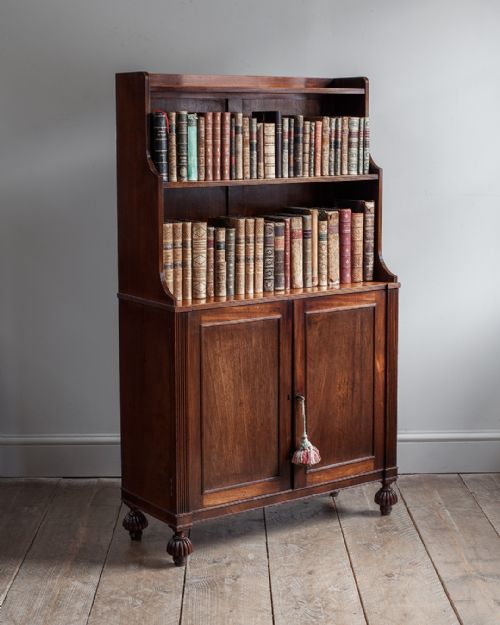
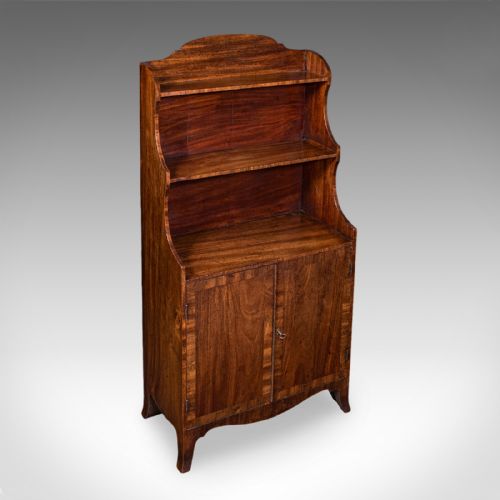
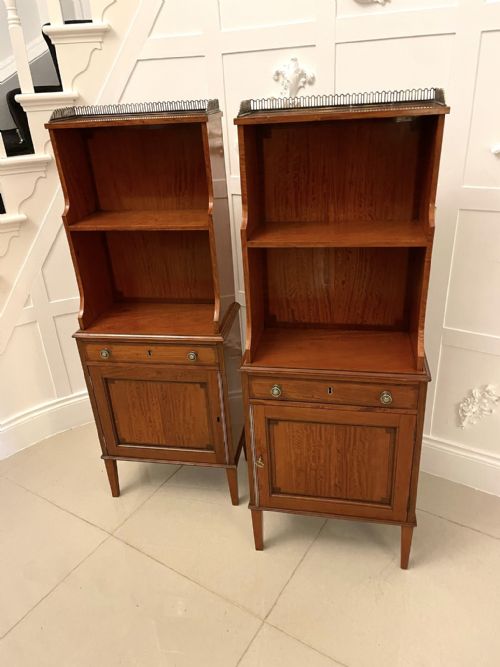
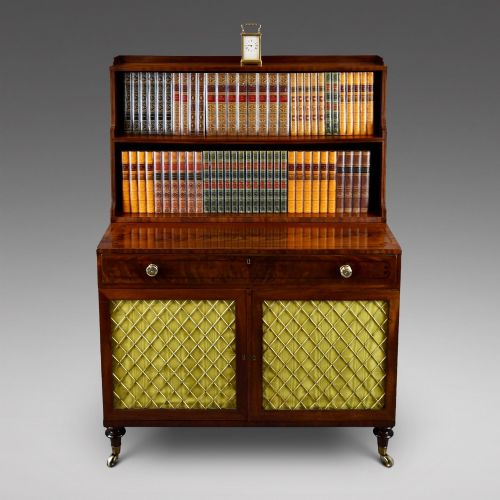
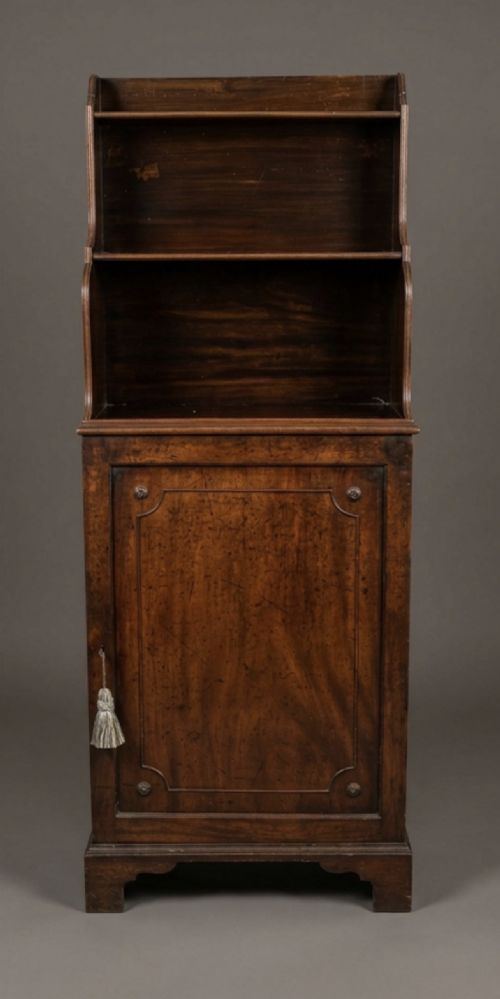
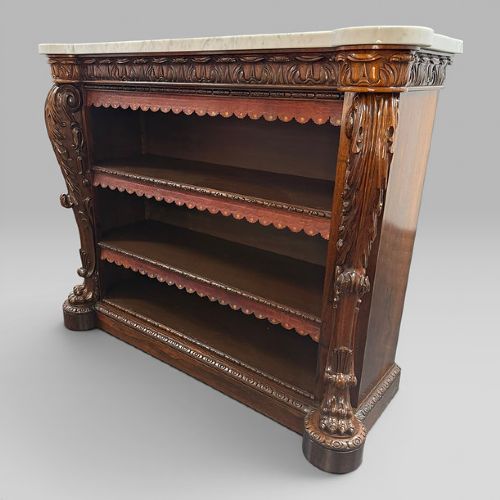
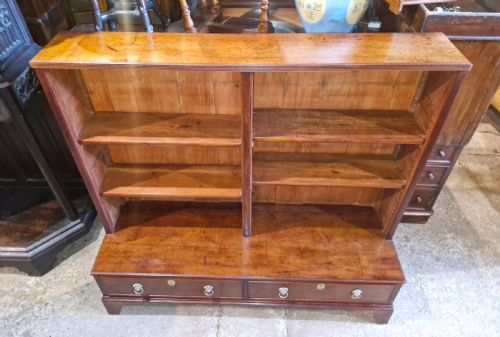
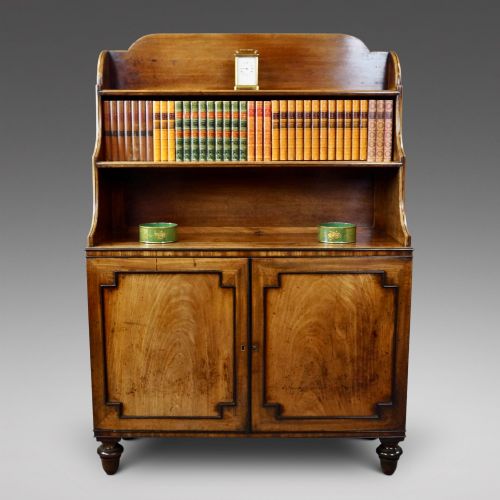
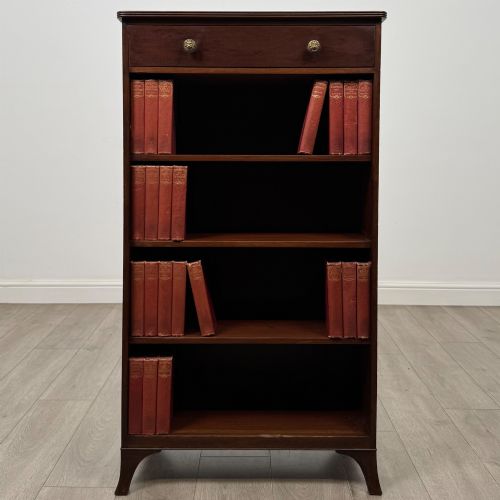
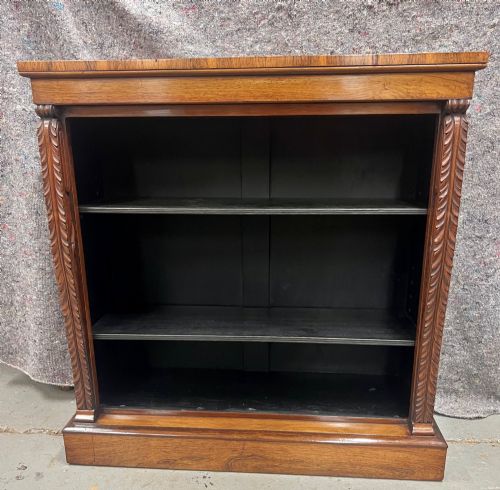
The physical forms on this page include waterfall bookcases, breakfront libraries, dwarf cabinets, and petite chiffoniers with open upper sections. Mahogany and rosewood dominate the listings, alongside walnut, oak, satinwood, and flame mahogany veneer.
Buyers encounter genuine period examples alongside later nineteenth-century iterations and twentieth-century interpretations in the regency style. Proportions range from neat, diminutive library pieces to substantial breakfront library cabinets.
Materials and construction
Cabinet makers utilised dense tropical hardwoods such as mahogany and rosewood, often applying flame mahogany or burr walnut veneers to create striking surface patterns. Solid oak and walnut also feature in regional and period construction.
Decorative detailing relies on brass inlay, gilt accents, and marble tops rather than heavy carving, maintaining the clean architectural restraint characteristic of the style.
Periods represented span nineteenth-century Georgian, Regency, and William IV eras, alongside twentieth-century revivals.
Assessing quality
Proportion and scale dictate desirability, where neat, diminutive dimensions or balanced breakfront arrangements demonstrate superior cabinet making compared to heavier, uninspired proportions.
Gillows
The Regency Open Cabinet Glossary
- Waterfall bookcase
- A tiered shelving unit where each successive shelf is set back behind the one below, creating a stepped profile reminiscent of falling water. These pieces often incorporate small cupboards or drawers at the base.
- Breakfront
- A cabinet design featuring a central section that projects forward from the flanking wings. This configuration creates visual depth and architectural interest in larger library pieces.
- Chiffonier
- A low cabinet equipped with shelving or drawers, sometimes featuring an open upper bookcase section in nineteenth-century variants. They evolved as versatile storage furniture for principal reception rooms.
- Veneer
- A thin layer of figured timber applied over a secondary wood carcass to display decorative grain patterns. Flame mahogany and burr walnut are common applications.
- Dwarf bookcase
- A low, open shelving unit designed to sit beneath dado height, keeping books within easy reach. They preserve sightlines across a room while offering substantial shelf space.
Regency Open Cabinet: Frequently Asked Questions
What is a regency open cabinet?
A regency open cabinet is a low storage or display piece featuring unglazed shelving, designed during the early nineteenth century or in later revival styles. These units provide accessible display areas for books and objects.
They appear in various forms, including waterfall tiers, dwarf bookcases, and breakfront libraries constructed from mahogany or rosewood.
How do I style an open cabinet?
Use open shelving to display collections of books, ceramics, and decorative objects with balanced spacing. Position the cabinet against a principal wall in a study, drawing room, or library.
Ensure items do not overcrowd the shelves, allowing the timber grain and cabinet proportions to remain visible.
Are shelves usually adjustable?
Many period examples feature adjustable shelving systems to accommodate varying book heights. Cabinet makers achieved this through traditional rack-and-pinion or movable peg supports.
Checking for adjustable shelves helps determine the utility and period authenticity of the piece.
How do I distinguish periods?
Early nineteenth-century pieces display authentic timber patination, hand-cut joinery, and period brass or marble additions. Later revival pieces from the twentieth century show cleaner, more uniform machine-processed construction.
Examining secondary woods and internal carcass construction reveals the true manufacturing era.