





Regency Marble Wine Table
A regency marble wine table brings crisp neoclassical geometry and cool stone surfaces into a room with understated confidence.
Regency Marble Wine Table
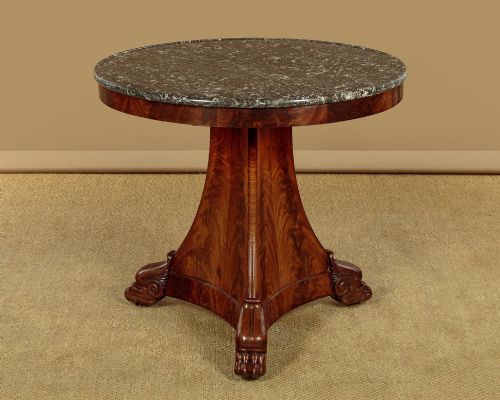
A regency marble wine table combines a substantial stone top with a timber base, serving as a compact surface for drinks or display. These occasional tables appear in forms such as tripod tables, lamp tables, and gueridons.
The versions met on this page belong predominantly to the nineteenth century, including the Regency period, George IV era, and 1870. English and continental origins shape the selection, alongside classical neoclassical styles.
Makers utilised woods like mahogany, rosewood, and satin birch for the structural bases. Insets of specimen marble and simulated marble create distinct visual focal points across the surfaces.
How they were made
Makers constructed the timber frames using dense hardwoods like rosewood and mahogany, often featuring figured grain patterns. These bases support heavy stone tops, sometimes incorporating brass or gilt metal accents.
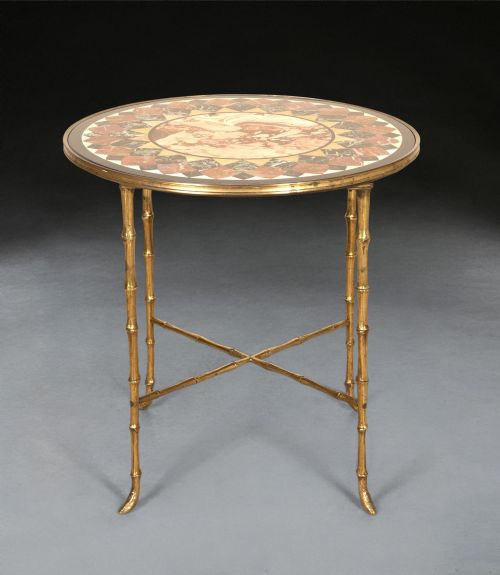
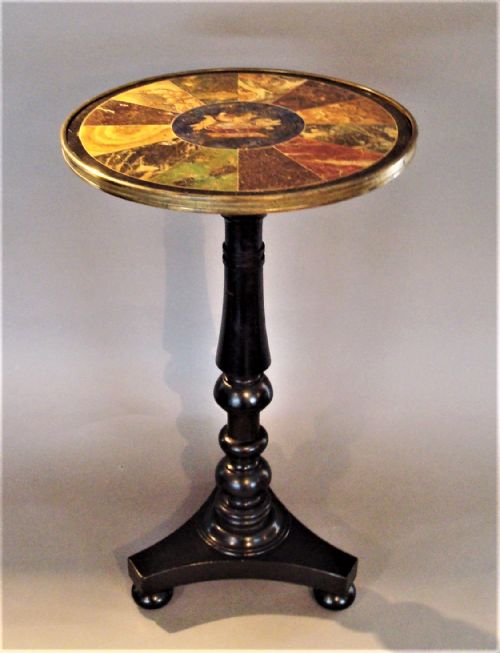
Stone surfaces showcase specimen marble work, where various coloured marbles are fitted together to form geometric patterns. Simulated marble surfaces also appear, offering a classical appearance through painted or treated finishes.
Regency Marble Wine Table Retail Price Guide 2026
Typical asking prices for regency marble wine table among the pieces listed under this phrase on Sellingantiques today, from the lower quarter to the upper quarter. They describe what is for sale here now, not the wider market.
Listings feature pieces spanning the nineteenth century, including the Regency period, George IV, and 1870.
What varies in quality
The intricacy of the stone top sets examples apart, particularly where multi-coloured specimen marbles form precise geometric arrangements. Finely figured rosewood or satin birch veneer on the base elevates the overall standard.
Structural harmony between the heavy marble top and the supporting timber frame dictates the success of the piece. Tables combining cast metal mounts with solid mahogany demonstrate greater ambition in design.
The Regency Marble Wine Table Glossary
- Specimen marble
- A surface composed of numerous small pieces of different coloured marbles assembled into a decorative pattern. This technique required skilled stonemasonry.
- Gueridon
- A small occasional table, often round and supported by a central column or tripod base. French in origin, the form became popular in Regency interiors.
- Tripod table
- A small table standing on three legs connected to a central pillar. This construction provides stable support for heavy stone tops.
- George IV period
- The phase of British design spanning the reign from 1820 to 1830, following the Regency. Furniture from this time often displays heavier classical proportions.
Regency Marble Wine Table: Frequently Asked Questions
What is a regency marble wine table used for?
These pieces serve primarily as compact occasional or lamp tables placed beside seating. Their stone tops provide a durable surface that resists moisture from glasses and decanters.
Historically, they functioned as portable surfaces for serving wine or displaying small decorative objects. Today, they suit residential spaces needing a touch of classical geometry without occupying excessive floor area.
How do I care for the marble top?
Clean the stone surface regularly with a soft, damp cloth and neutral soap. Avoid acidic cleaners or harsh chemicals that can etch the polished finish.
Use coasters under glasses to prevent liquid rings from forming on vulnerable marble surfaces. Periodic gentle buffing maintains the natural lustre of the stone.
Are these tables English or continental?
The selection includes both English interpretations and continental pieces, particularly from Italy and France. English examples often utilise native mahogany or imported rosewood with restrained classical details.
Continental pieces, such as those influenced by the French Empire style or Italian specimen marble work, frequently display bolder mounts and multi-coloured stone arrangements.
How do I distinguish a Regency table from later nineteenth century pieces?
Regency and George IV pieces date from the early nineteenth century and rely on strict neoclassical proportions. They frequently feature figured rosewood and precise brass detailing.
Later nineteenth century examples, such as those from 1870, sometimes adopt country house aesthetics or broader interpretations of French styles. Examining the timber framing and secondary woods helps clarify the period of manufacture.