



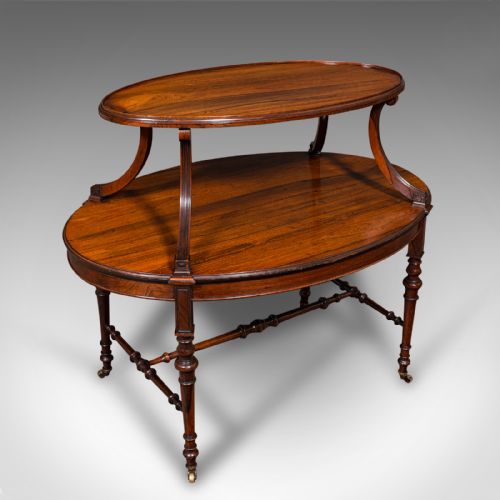


Regency Mahogany Dumbwaiter
A Regency mahogany dumbwaiter brings tiered elegance to a room, offering practical surface space for dining and serving.

What these pieces are
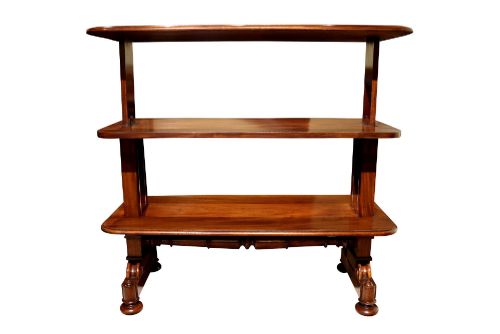
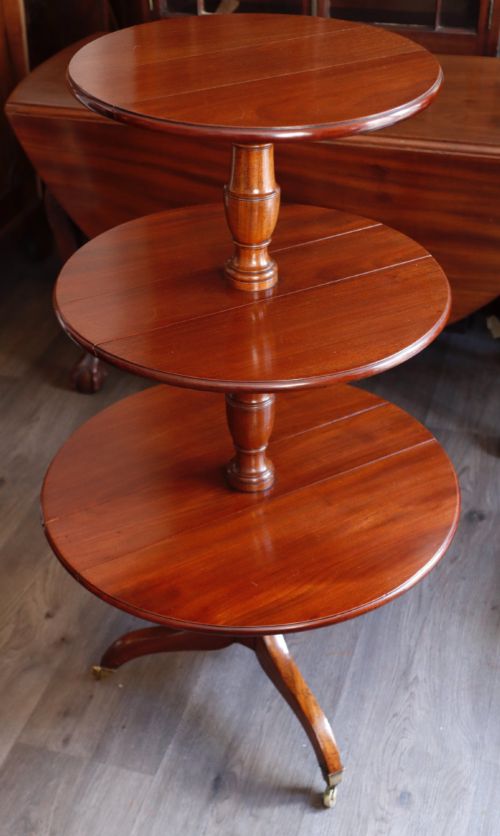
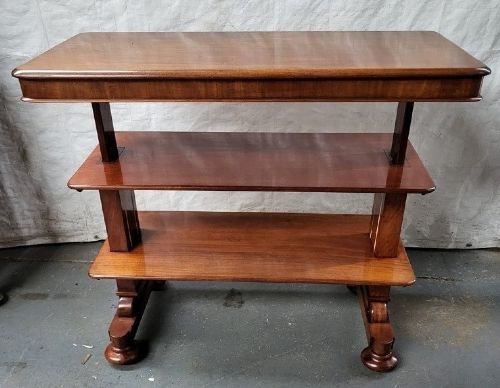
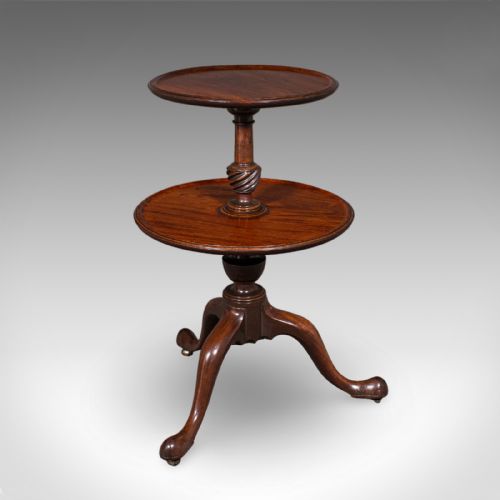
A regency mahogany dumbwaiter is a multi-tiered serving piece designed to hold dishes and accessories during meals without the need for hovering attendants. The examples appearing on this page span the nineteenth century, Georgian era, and the nineteen twenties, encompassing distinct variations such as oval shapes, two-tier pieces, and three-tier formats.
Beyond traditional dumbwaiters, related forms like buffets, etageres, and serving tables appear alongside occasional tables. These items utilise rich mahogany timber, occasionally incorporating brass and glass elements to enhance their utility and appearance.
The styles connected with these listings include George IV, Grand Regency, and Regency Style, reflecting both original period construction and later interpretations. Buyers encounter formats ranging from standard circular tiers to unusual designs and formats.
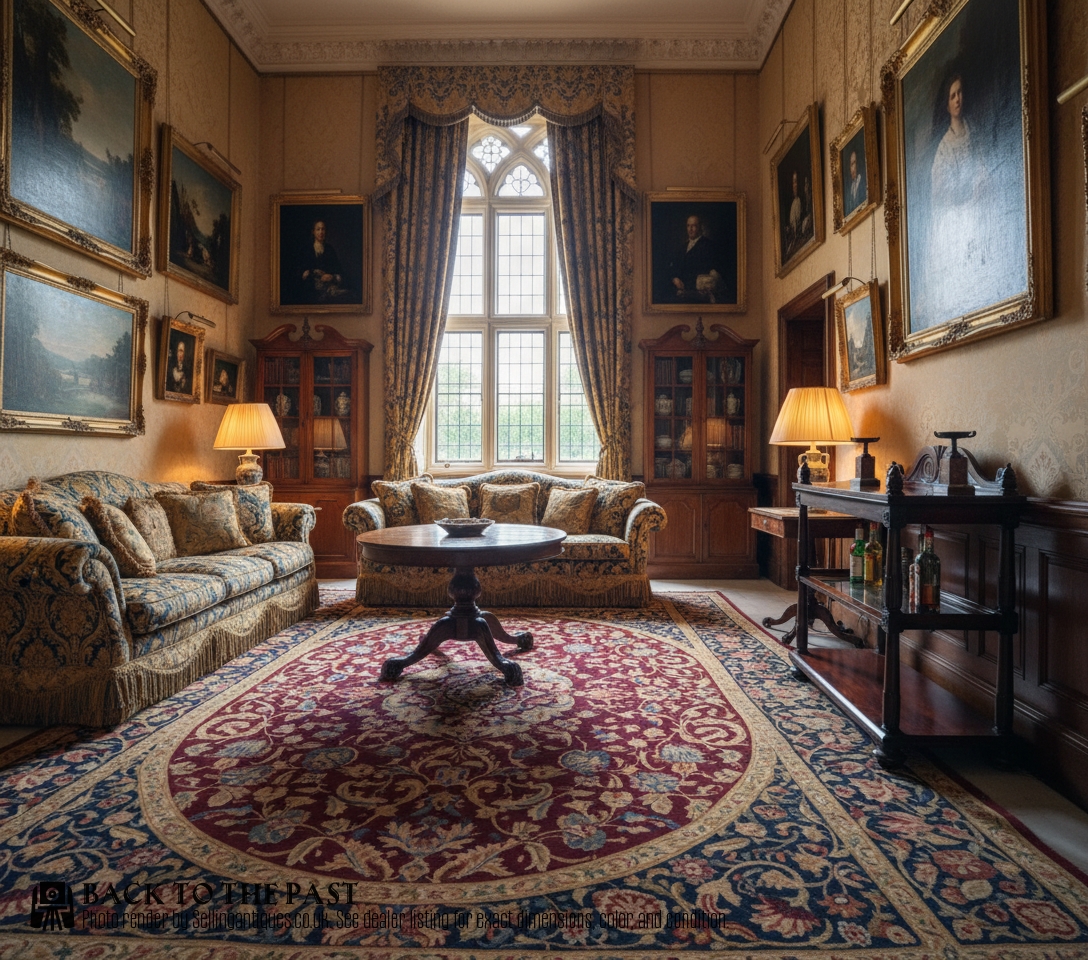
How they were made
Construction relies heavily on mahogany timber, prized for its durability and deep grain, paired with metal or glass components where specified. Artisans turned upright supports and shaped individual tiers to create stable multi-level furniture.
Hardware such as brass fittings provides structural stability and decorative accenting on specific items within the selection. Joinery techniques from the period ensure that these tiered serving tables and etageres remain functional.
Retail Price Guide 2026
Typical UK retail prices for regency mahogany dumbwaiter, calculated from the Sellingantiques database of over a million retail prices indexed since 2003. This retail price guide relies exclusively on Sellingantiques data; no external sources or auction records are used, so the figures do not describe the wider market.
These polite wooden assistants held the claret and cheese while the servants took a well-earned break downstairs.
What varies in quality
Quality differences lie in the choice of timber and the sophistication of the tier formatting, distinguishing standard items from pieces with unusual design and form. The presence of secondary materials like glass and brass indicates finer detailing across the range.
Original period pieces from the Georgian and nineteenth-century eras carry historical weight that differs from later nineteen-twenties Regency style interpretations. Proportional balance among the tiers and the crispness of turned supports determine the visual success of each individual piece.
The Regency Mahogany Dumbwaiter Glossary
- Dumbwaiter
- A multi-tiered piece of dining furniture designed to hold food, glassware, or serving dishes. These items remove the need for constant servant attendance during meals.
- Etagere
- A set of open shelves or tiers used for displaying objects or serving items. This form shares similarities with the tiered layout of a dumbwaiter.
- Buffet
- A sideboard or serving table used for food placement and storage in dining spaces. Several listings include these alongside traditional dumbwaiter formats.
- Mahogany
- A durable tropical hardwood with a reddish-brown colour used extensively in nineteenth-century furniture. It forms the primary structural and visual material for these pieces.
Frequently Asked Questions
What is a regency mahogany dumbwaiter used for?
These tiered pieces served as extra serving stations beside the dining table during formal meals. They held dishes, cutlery, and glassware to keep surfaces clear and accessible.
Today, they function well in dining rooms or living spaces as display stands and occasional tables. Their multiple tiers offer practical vertical space without occupying a large floor footprint.
How do I identify a period piece?
Examining the timber grain, joint construction, and overall wear helps determine the age of a piece. Nineteenth-century examples display traditional joinery methods distinct from later twentieth-century reproductions.
Checking for period-appropriate hardware like brass fittings provides further clues to manufacturing dates. Styles labelled as George IV or Grand Regency align with these historical markers.
How do I care for mahogany furniture?
Mahogany requires dusting with a soft cloth and protection from direct sunlight to preserve its deep colour. Avoiding excessive moisture prevents damage to the polished timber surfaces.
Applying appropriate wood care products periodically maintains the finish without building up residue. Gentle handling of tiered joints ensures the structure remains stable.