
Regency Mahogany Accent Chair
A regency mahogany accent chair brings classic line and rich timber to a room, offering both seating and architectural presence.
Regency Mahogany Accent Chair
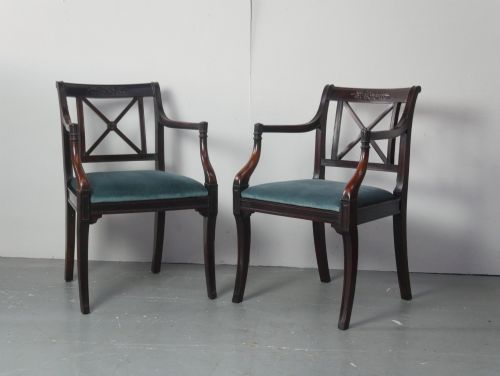
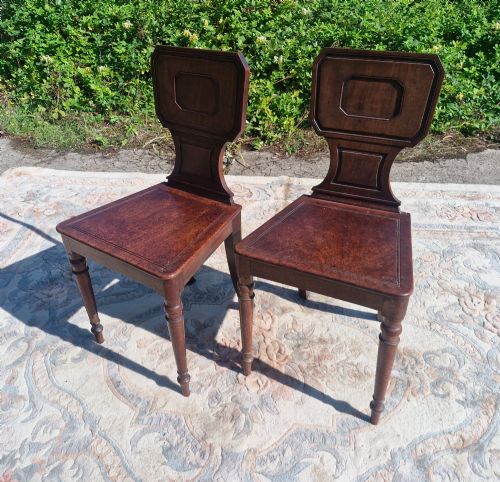
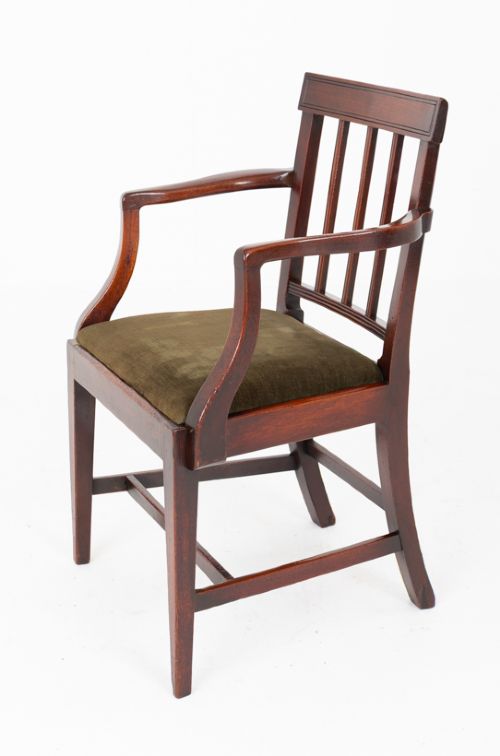
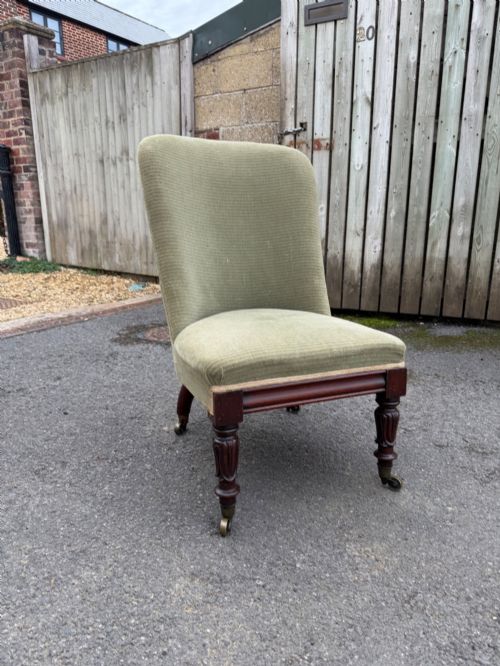
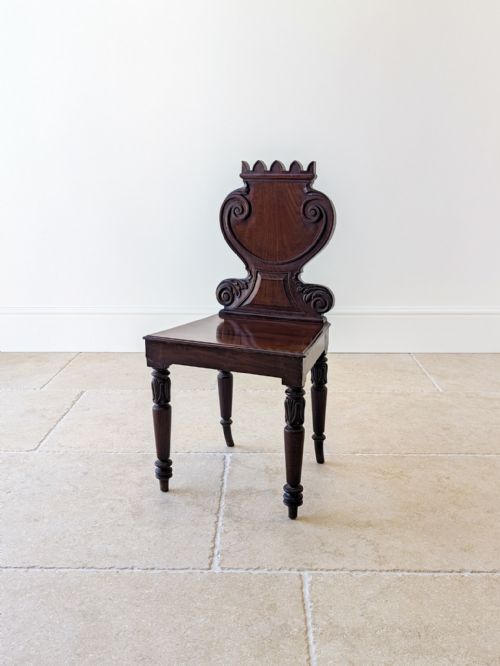
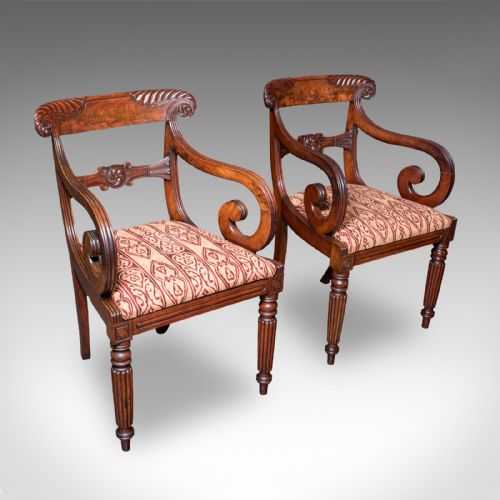
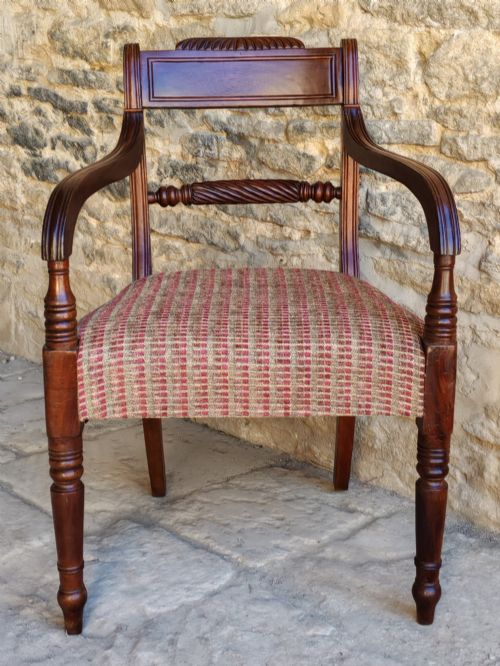
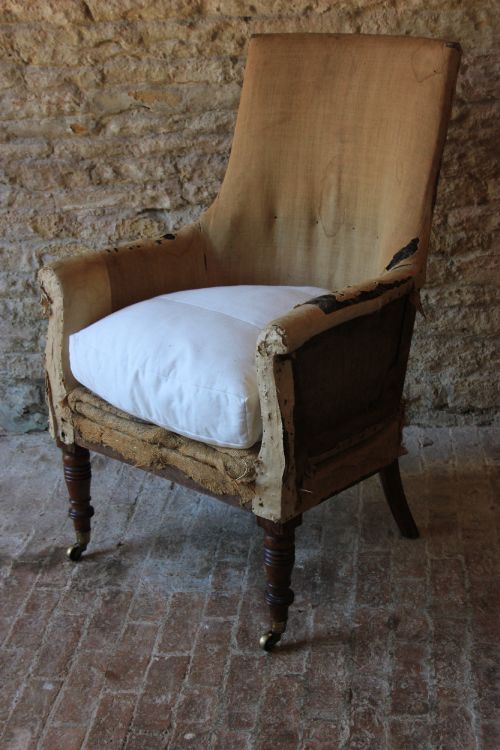
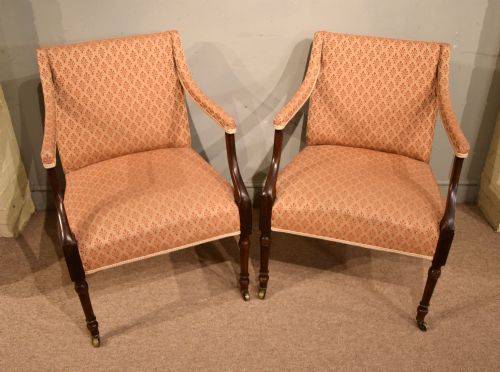
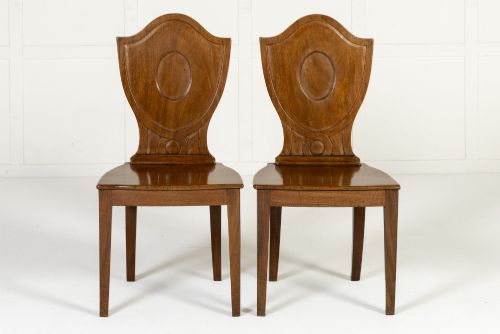
When you search for a regency mahogany accent chair, you encounter a selection of seating forms spanning the late Georgian period, the Regency era itself, and later revivals. The offerings range from sturdy hall chairs and carver armchairs to library chairs and bergères.
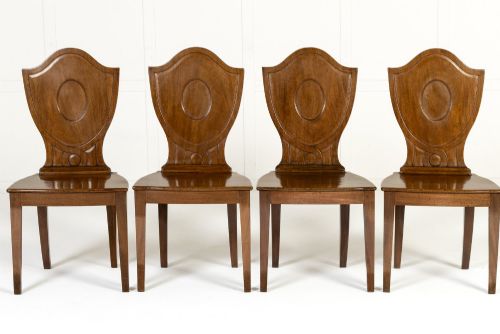
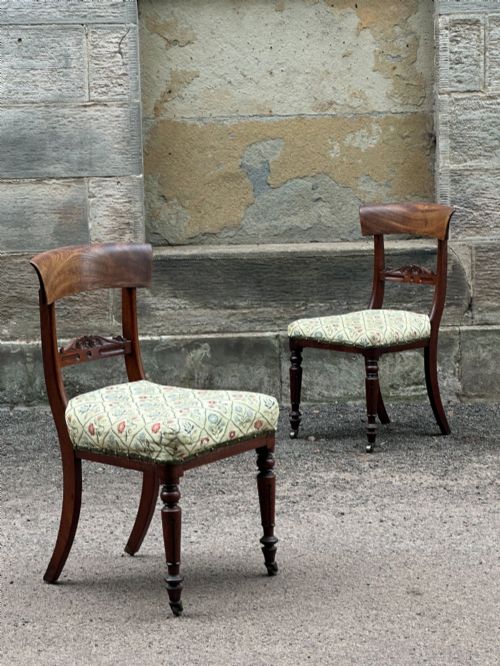
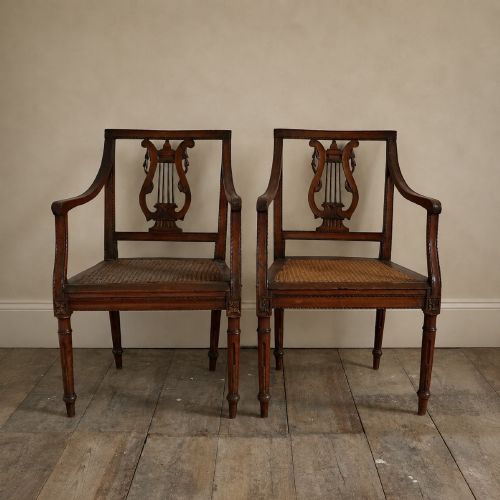
You are most likely to meet mahogany side chairs and armchairs featuring period characteristics such as ropebacks, lyre backs, and sabre legs. Many pieces appear as pairs or sets, reflecting their original domestic use in parlours, halls, and reception rooms.
The materials and styles span authentic early nineteenth-century work alongside later nineteenth-century interpretations and twentieth-century revivals. This mix provides distinct options depending on whether you seek genuine period manufacture or later stylistic harmony.
How they were made
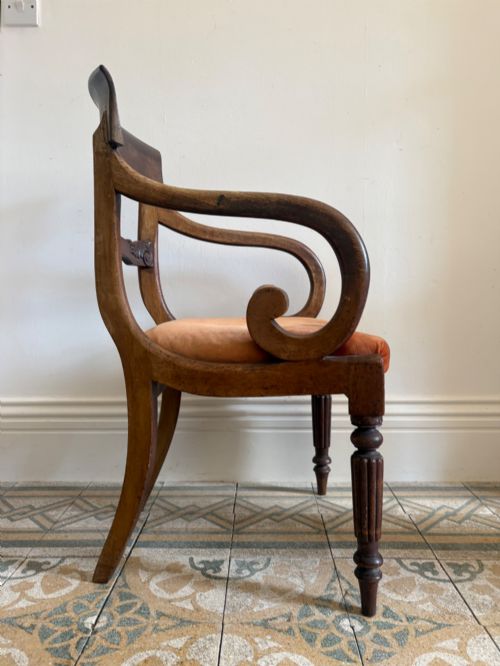
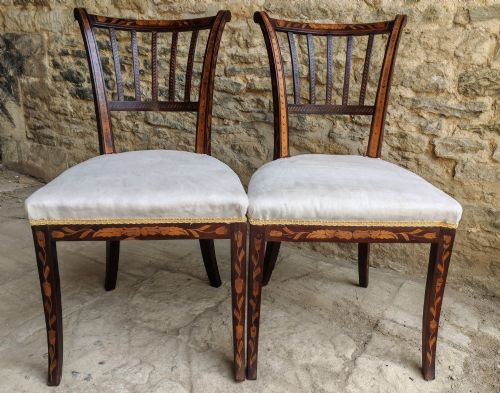
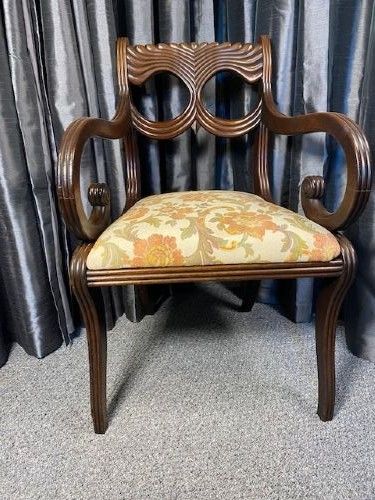
Cabinet makers utilised solid mahogany and figured mahogany veneers, shaping the timber into curved frames, scroll arms, and distinctive back rails. Construction often involved traditional joinery supplemented by brass inlay, marquetry, and carved architectural motifs.
Seating portions were finished with cane work, drop-in pads, or traditional upholstery covered in fabric and velvet. These varied methods of construction determine how each chair supports weight and holds its structural integrity over time.
Listings feature mahogany, brass, cane, and velvet across periods ranging from Georgian and Regency to Edwardian revival.
What varies in quality
The standard of a regency mahogany accent chair rests primarily on the depth and figure of the timber grain, alongside the crispness of any carved details like pelta backs or scroll arms. Higher-grade examples display superior joinery execution and more refined proportions.
Originality of components, such as intact cane seats or period upholstery materials, elevates a piece above those that have undergone extensive rebuilding or replacement of structural elements.
The Regency Mahogany Accent Chair Glossary
- Carver
- An armchair designed with arms, often matching a set of smaller side chairs intended for dining or reception rooms.
- Bergère
- An enclosed upholstered armchair with exposed wooden framing and cane or upholstered sides.
- Sabre leg
- A concave, outwardly curving leg that tapers toward the foot, typical of Regency furniture design.
- Lyre back
- A chair back featuring an open splat shaped in the symmetrical outline of a stringed musical instrument.
- Hall chair
- A rigid wooden seat, usually without upholstery, made for placement in entrance spaces and often carved with a crest.
Regency Mahogany Accent Chair: Frequently Asked Questions
How do I identify a genuine period chair?
Examine the timber colour, the method of joinery, and the wear patterns on the feet and seat edges. Genuine pieces show natural oxidation and hand-cut construction details consistent with nineteenth-century workshop practices.
Compare the specific carving style and leg configuration against documented examples from the Regency and William IV eras to confirm the manufacturing window.
Can these chairs be used daily?
Most sturdy mahogany frames handle regular daily seating once checked for joint stability. Modern placement in domestic settings suits reception rooms and studies well.
Ensure that fragile elements like cane seats or delicate scroll arms receive appropriate weight management and gentle handling during routine use.
What is the difference between revival and original pieces?
Original pieces date from the Regency or Georgian eras and carry the patina of active historical use. Revival pieces originate from later periods like the late nineteenth or early twentieth century.
Revival examples imitate the earlier aesthetics using period-appropriate timber and machinery, offering a similar look with potentially younger structural timber.
How should I care for mahogany and upholstery?
Maintain the mahogany surfaces with occasional gentle dusting and appropriate wax nourishment to preserve the grain finish. Avoid placing timber furniture near direct heat sources.
Upholstered components and velvet surfaces benefit from professional cleaning methods suited to antique textiles and delicate fabric weaves.