





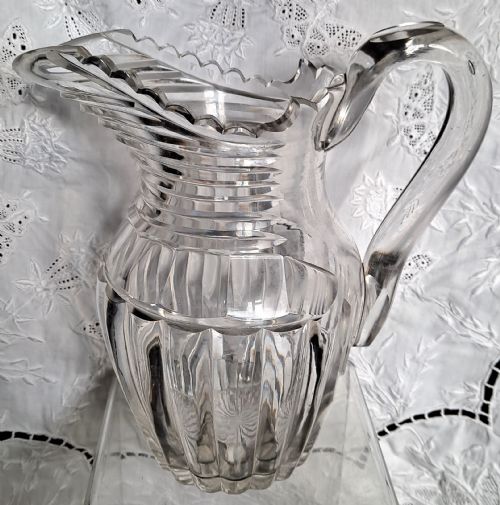




Regency Lead Crystal
Regency lead crystal brings heavy, brilliant glassware into the dining room, prized for deep facet cutting and clear metal.
Regency Lead Crystal
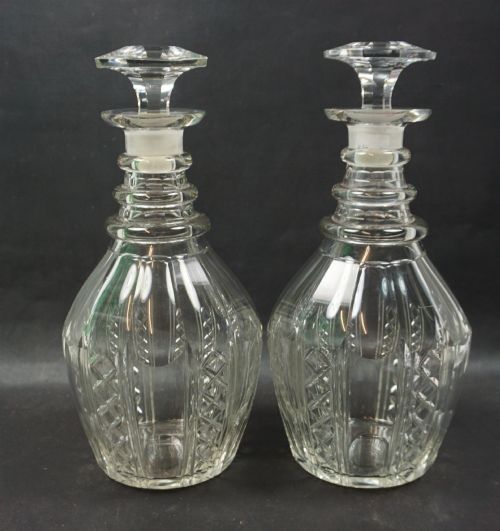
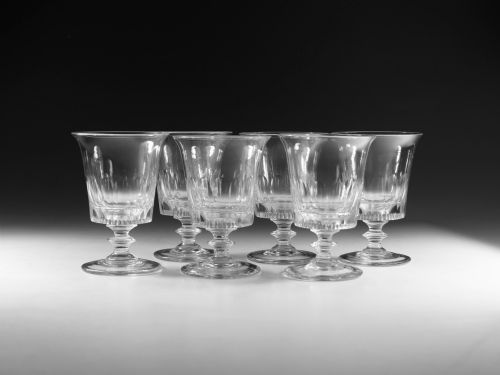
When you search for regency lead crystal, you encounter heavy glassware designed for the dining table and sideboard during the early nineteenth century. The most common forms on this page include decanters, rummers, water jugs, and cut glass bowls.
Pieces span periods from the Georgian era through the Regency period and into the nineteenth century, reflecting the tastes of English and Irish makers. Items range from large standing fruit bowls and celery vases down to small dram glasses and salt cellars.
The objects serve practical purposes for wine, spirits, water, and condiments while displaying decorative wheel-cut patterns. Collectors find both individual items and matched pairs or sets originating from around eighteen hundred to eighteen thirty.
Materials and production methods
Makers produced regency lead crystal using high lead content glass, which added weight, brilliance, and softness for deep cutting. Craftsmen shaped vessels by blowing hot metal into moulds or free-blowing before finishing them by hand.
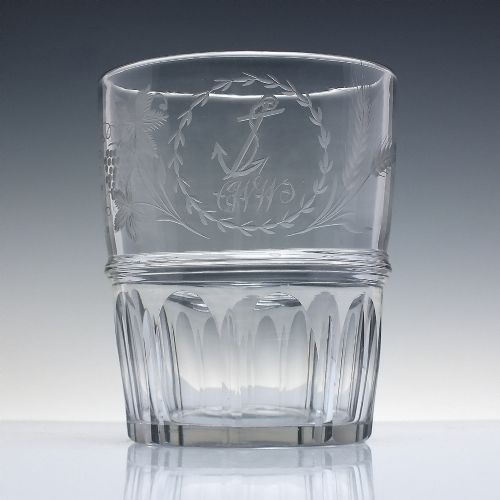
Artisans applied wheel-cutting techniques to create geometric patterns such as hobnails, flutes, pillars, and prisms across the surface. Engravers occasionally embellished pieces further with detailed motifs like hops, barley, armorials, or bridges.
Regency Lead Crystal Retail Price Guide 2026
Typical asking prices for regency lead crystal among the pieces listed under this phrase on Sellingantiques today, from the lower quarter to the upper quarter. They describe what is for sale here now, not the wider market.
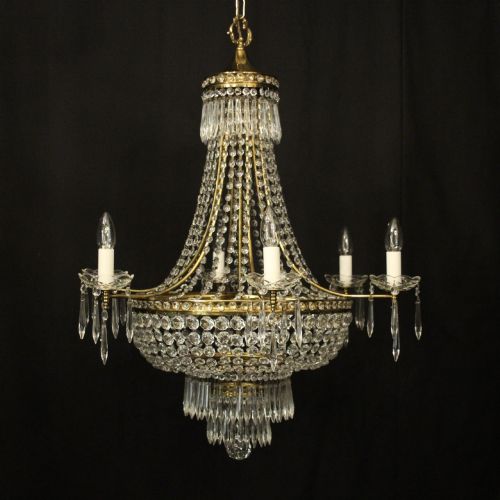
Material descriptions across the archive highlight cut lead crystal, clear glass, and gilded brass components.
Distinctions in standard
Quality in regency lead crystal rests upon the clarity of the metal and the crispness of the wheel-cut facets. Superior pieces exhibit sharp, clean edges to the cutting without softness or rounding, catching the light intensely.
The weight and balance of the vessel also indicate standard, as heavier lead content produces a more substantial feel in the hand. Additionally, finely engraved details show superior craftsmanship compared to plain or hastily finished surfaces.
The Regency Lead Crystal Glossary
- Rummer
- A large drinking glass used for wine, ale, or punch during the Georgian and Regency periods. These heavy vessels often feature cut decoration and substantial stems.
- Lemon squeezer base
- A square, pressed glass foot found on certain Regency decanters and rummers. The sharp corners resemble the shape of traditional kitchen squeezers.
- Pillar cut
- A decorative surface treatment featuring wide vertical flutes or facets. This technique creates strong light reflections along the body of decanters and jugs.
- Hobnail cut
- A raised diamond pattern cut into the glass surface. The faceted points resemble the iron hobnails used in heavy boots.
- Ship's decanter
- A wine bottle with a broad, flat base and conical body designed to prevent tipping at sea. The low centre of gravity suited movement on dining tables.
Regency Lead Crystal: Frequently Asked Questions
How do I identify regency lead crystal?
Look for heavy metal, high clarity, and deep hand-cut facets such as hobnails or pillars. Pieces from this era frequently date between eighteen hundred and eighteen thirty.
Examine the base for pontil marks or square lemon squeezer feet which typify the period. Engraved floral motifs like hops and barley also point to standard Georgian and Regency production.
Were these pieces used daily?
Dining rooms of the early nineteenth century utilised these items heavily for serving wine, spirits, water, and condiments. Rummers held ale or punch, while decanters stored wine for the table.
Wealthy households relied on heavy cut glass for both utility and display during formal meals. Their robust lead composition made them durable enough for regular service.
What is a celery vase?
A celery vase is an upright vessel on a pedestal foot used to display celery stalks centrally on the dining table. Regency households placed high value on serving celery fresh in dedicated glass containers.
These tall pieces often feature heavy cut decoration or pillar flutes matching other tableware. They double effectively today as decorative flower vases.