
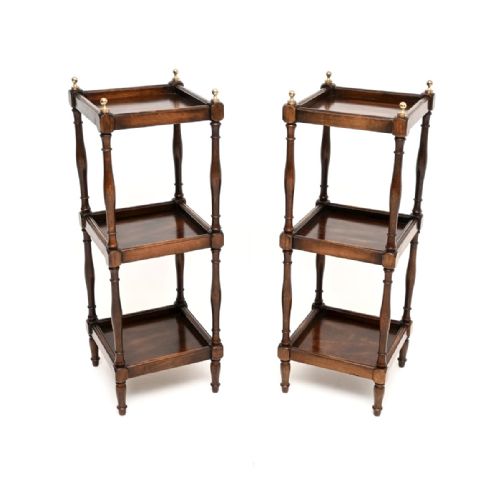
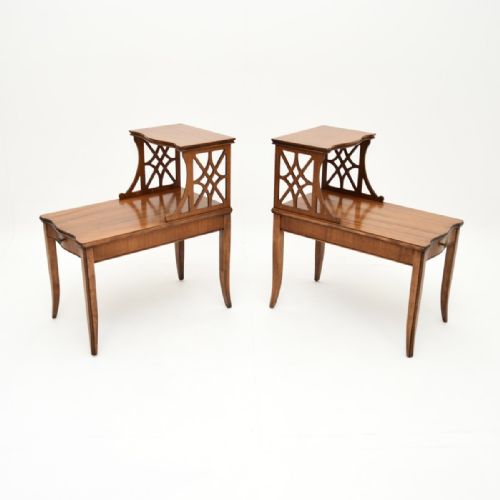
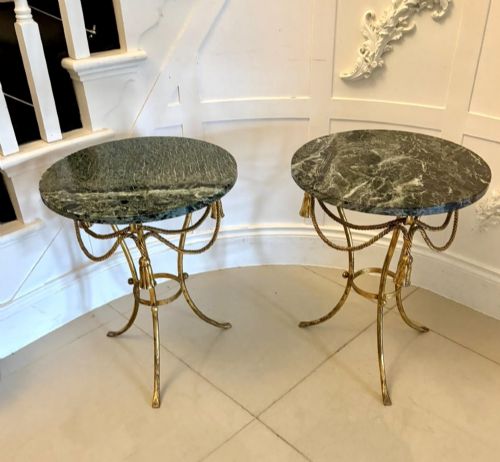
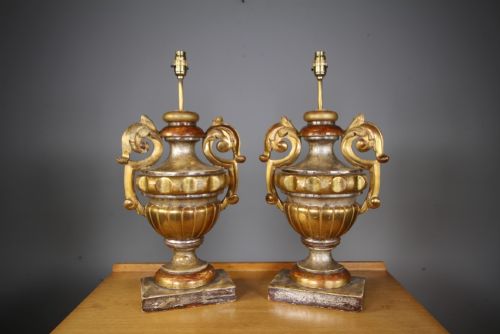


Regency Lamp Tables Pair
These regency lamp tables pair selections bring balanced symmetry and classical proportion to a room, offering dual surfaces or matched lighting.
Regency Lamp Tables Pair
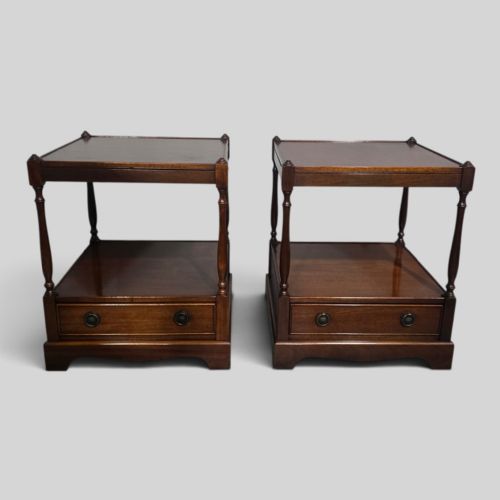
When you search for a regency lamp tables pair, you encounter matching pieces intended to sit symmetrically beside seating or beds. The selection ranges from authentic period pieces to later revivals.
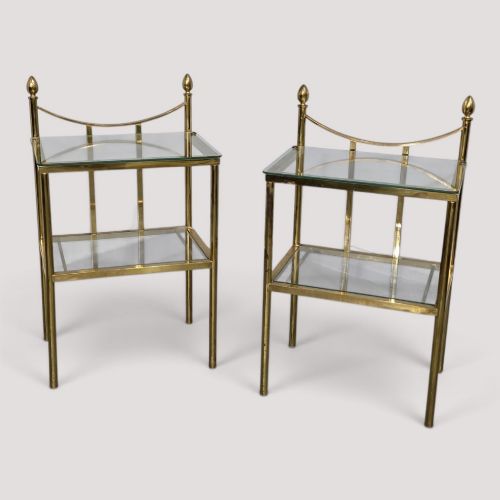
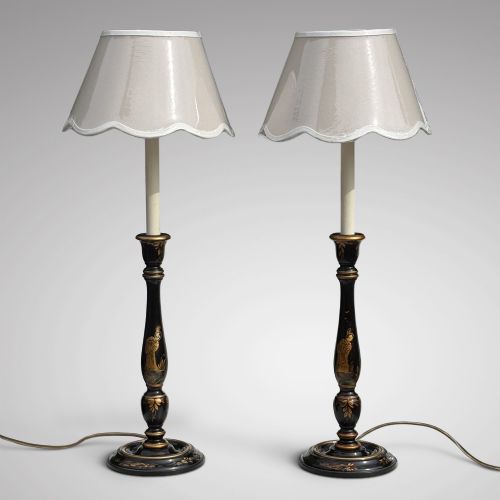
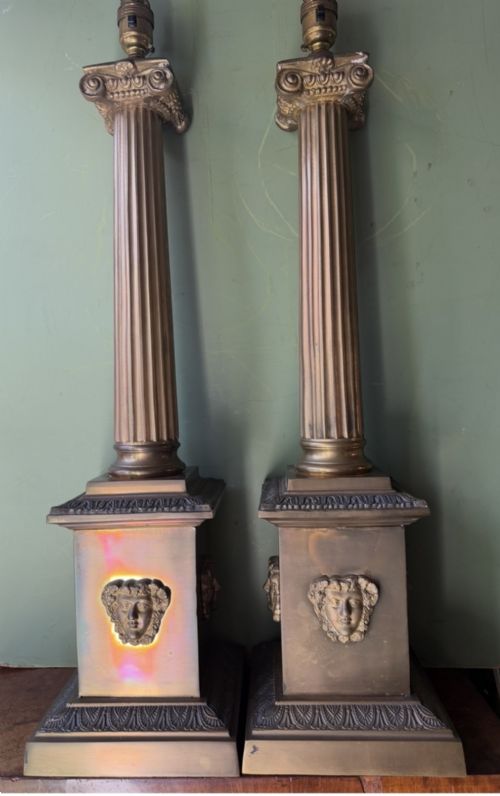
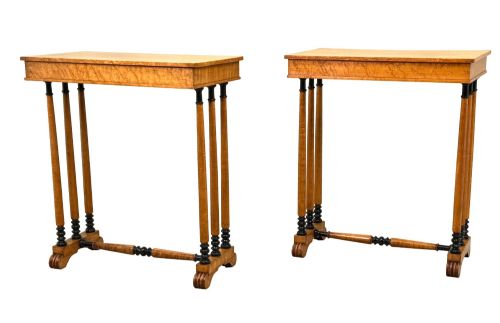
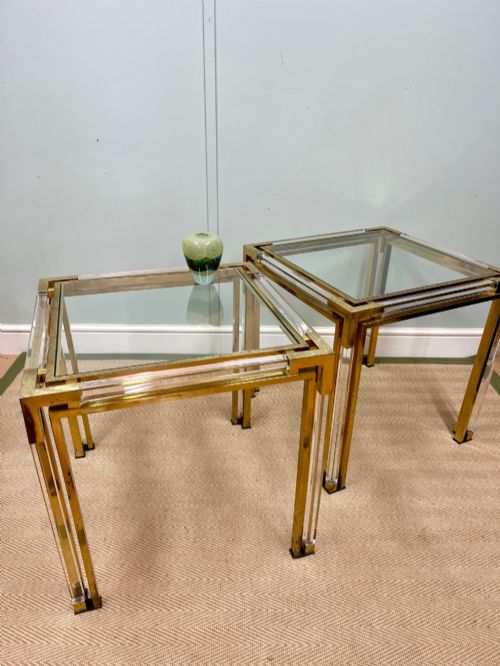
The evidence shows forms spanning dedicated lamp tables, side tables, occasional tables, and wine tables, alongside matched light fittings.
Origins include genuine nineteenth-century pieces alongside later twentieth-century interpretations in revival styles.
Materials and Construction
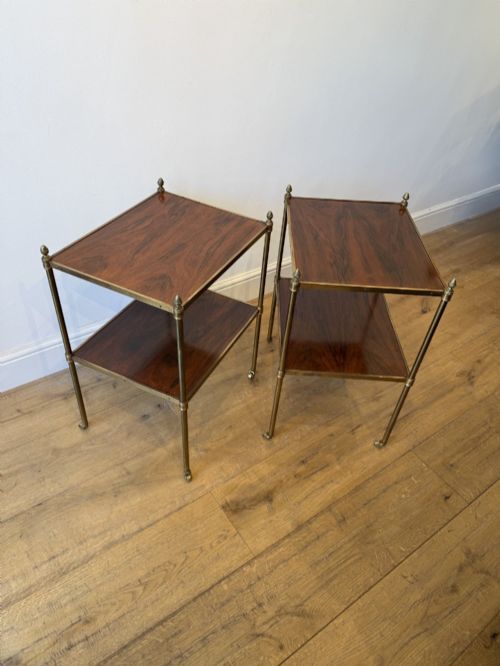
Construction relies heavily on timbers such as mahogany, birdseye maple, and pine, often paired with decorative elements of brass, bronze, and ormolu.
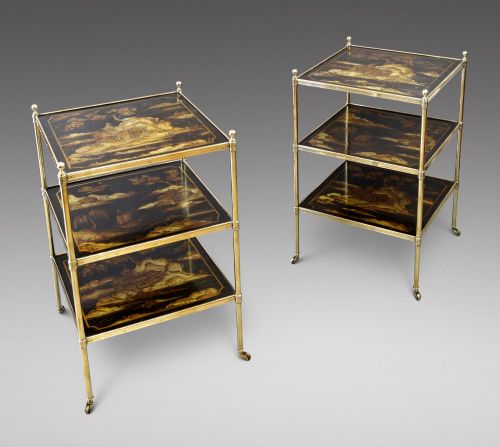
Surface treatments incorporate giltwood, lacquer, and marble inserts, reflecting both classical motifs and later decorative revivals.
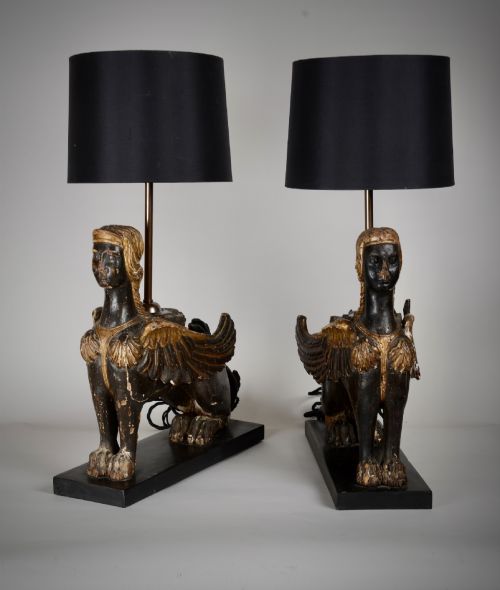
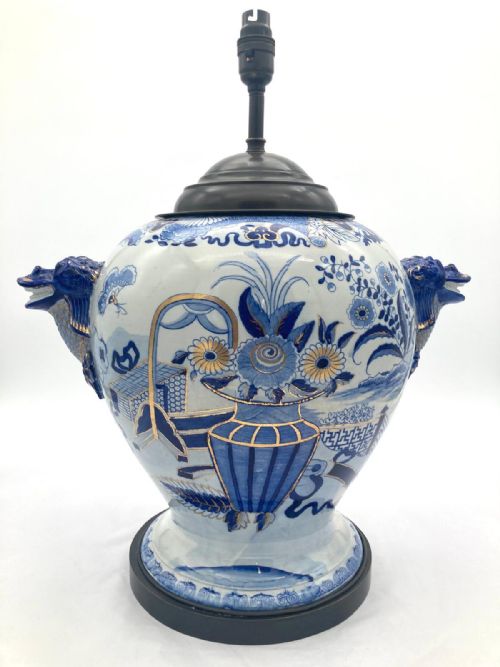
Among the lighting options are conversion lamps fashioned from nineteenth-century sphinx figures and merman candelabra.
Assessing Quality
Quality rests upon the crispness of carved details in wood or metal and the selection of figured veneers.
Proportion and the integrity of matched pairs dictate distinction across the range.
Gillows·James Mein of Kelso·Mallett·Hicks and Meigh
The Regency Lamp Tables Pair Glossary
- Regency
- A style period spanning the early nineteenth century defined by classical restraint and archaeological influence. It draws heavily on Greek, Roman, and Egyptian motifs.
- Ormolu
- Gilded bronze mounted onto furniture or lighting. This technique provides metallic contrast against dark timbers.
- Tripod table
- A small freestanding table supported by three legs radiating from a central pillar. These pieces often tilt or remain fixed for occasional use.
- Birdseye maple
- A decorative timber figuring resembling small bird's eyes caused by local depressions in the growth rings. It was favoured for high-status cabinet work.
Regency Lamp Tables Pair: Frequently Asked Questions
How do I use a pair?
Matched pairs function best when placed symmetrically to frame a central feature such as a sofa, fireplace, or bed.
They provide balanced surfaces for lamps or decorative objects while anchoring the room's layout.
What woods were used?
Makers predominantly utilised mahogany, birdseye maple, and pine for the main structures of these tables.
Secondary woods and applied veneers were chosen to highlight grain patterns and contrast with metal mounts.
Are these period originals?
The selection includes genuine nineteenth-century items alongside later twentieth-century revivals produced in historical styles.
Examining the construction methods and material wear helps distinguish the original period pieces from later interpretations.
How do lamps integrate?
Many pieces designed as tables accommodate lighting directly, while others function as surfaces for separate table lamps.
Some examples show historical conversions from candlesticks or vases into wired lamps.