



19th Century Maple Tables
These 19th century maple tables combine striking timbers with versatile forms, offering practical surfaces for daily use.
19th Century Maple Tables
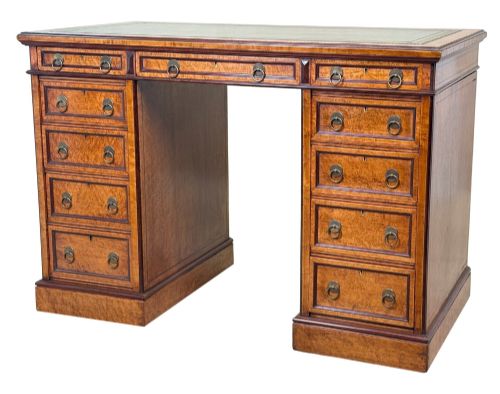
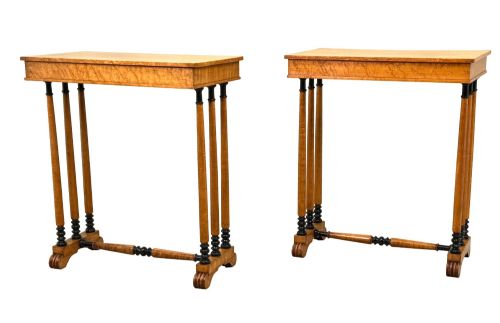
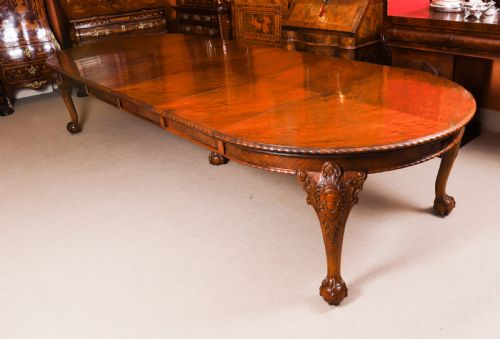
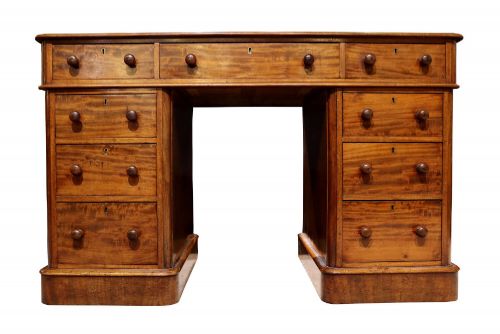
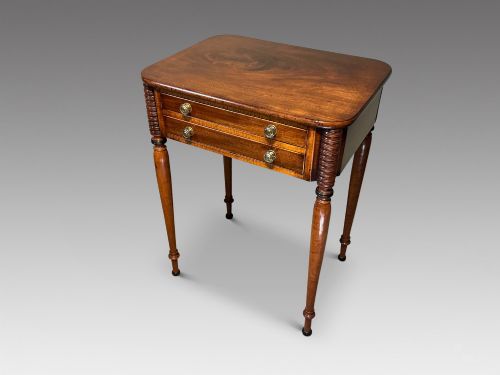
When you search for 19th century maple tables, you encounter an array of occasional furniture, writing desks, and card tables designed for domestic utility. Birdseye maple and burr maple provide distinctive mottled figuring that defines the visual character of these pieces. You are most likely to meet occasional tables and writing desks originating from the Regency and Victorian periods.
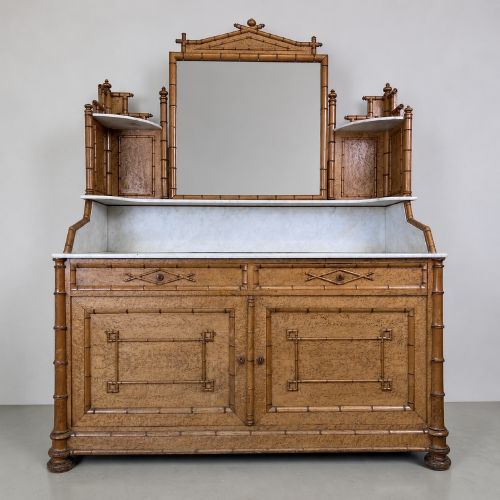
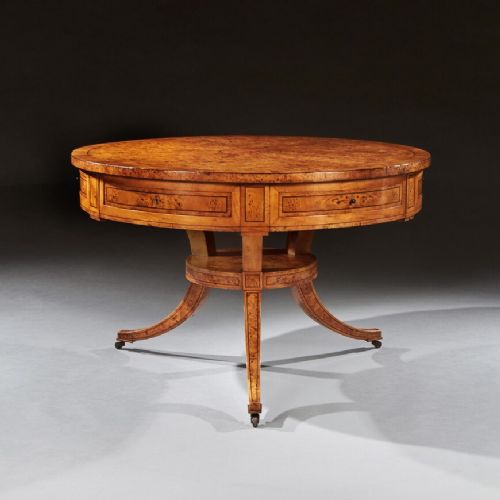
Makers and workshops utilised specific variations including French faux-bamboo washstands, Biedermeier card tables, and Scandinavian drum tables. Certain examples incorporate secondary timbers such as mahogany and walnut alongside marble tops or brass details. These items reflect the diverse stylistic movements of the nineteenth century, ranging from Queen Anne Revival to French Aesthetic and Biedermeier designs.
How they were made
Cabinetmakers selected decorative veneers like birdseye and burr maple to wrap solid wood carcases, accentuating the natural grain patterns. Workshops applied specialist treatments such as specimen wood inlay and French polishing to protect the timber and enrich its colour.
Structural integrity relied on traditional joinery methods combined with fitted hardware like brass handles and leather inserts on writing surfaces. Marble tops were occasionally integrated into washstands and side tables to provide durable, water-resistant surfaces.
What varies in quality
The selection of the maple veneer dictates the primary visual impact, with tightly figured birdseye and deep burr patterns commanding greater presence. Skill in matching and applying these veneers across complex surfaces separates standard cabinetwork from exceptional output.
The complexity of the form and the integrity of secondary materials, such as integrated marble or precise inlay work, determine the standing of each piece. Maker attribution or distinct regional styling also influences the overall character of the furniture.
Maple & Co
The 19th Century Maple Tables Glossary
- Birdseye maple
- A figure in maple wood where the grain swirls around small spots, resembling tiny eyes. This pattern occurs naturally and is prized for decorative veneer work.
- Burr maple
- A growth on a maple tree that produces intricate, swirling grain patterns when sliced into veneer. Cabinetmakers used these sections for striking tabletop surfaces.
- Biedermeier
- A central European style spanning the nineteenth century focusing on utility, clean lines, and minimal ornamentation. It prioritised warm wood tones and architectural simplicity.
- Sofa table
- A rectangular table traditionally placed against the back of a sofa, usually featuring drop leaves and end supports. These functioned as small writing or work desks in period interiors.
- Card table
- A folding table designed for indoor games, featuring a hinged top that opens to reveal a baize-lined playing surface. Many examples date from the Regency and Victorian eras.
19th Century Maple Tables: Frequently Asked Questions
Where were 19th century maple tables used?
These tables served various functions across domestic interiors, from writing desks in studies to occasional tables in drawing rooms. Card tables and sofa tables provided flexible surfaces for entertaining and daily recreation.
Washstands and console tables found their places in bedrooms and hallways, combining decorative maple veneers with practical marble or timber tops.
How do I care for birdseye maple furniture?
Maintain the polished finish by dusting regularly with a soft, dry cloth and avoiding exposure to direct sunlight or excessive moisture. Natural timber responds to stable indoor humidity levels.
Refrain from using silicone-based polishes or harsh chemical cleaners that can degrade the historic surface finish over time.
Are these tables suitable for daily use?
Most nineteenth-century tables remain robust enough for light daily service when handled with reasonable care. Writing desks, side tables, and occasional tables adapt well to contemporary living spaces.
Protection from heat, liquids, and heavy impacts preserves the delicate veneers and historic polish of the timber.