



Regency Jewellery
Regency jewellery brings together gold, silver, diamonds, and deep-toned gems in wearable pieces that span the Georgian and early Victorian eras.
Regency Jewellery
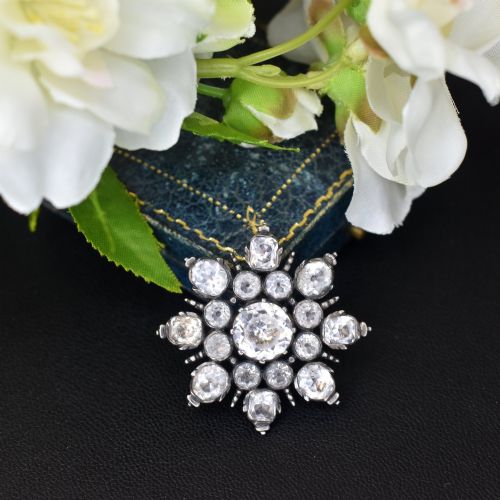
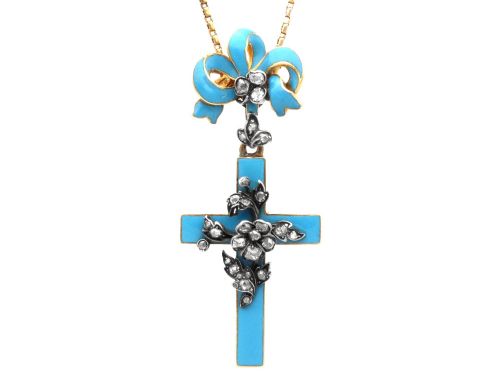
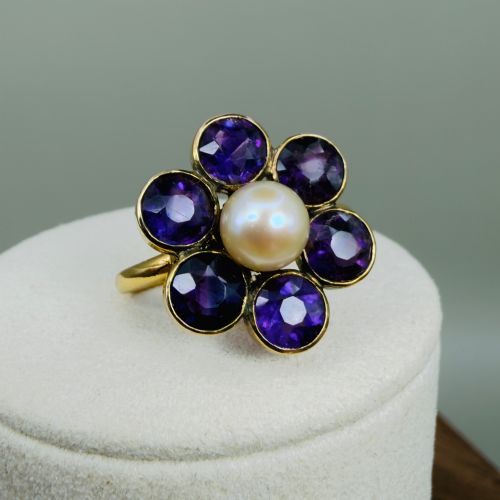
When you search for regency jewellery, you encounter rings, pendants, earrings, and necklaces originating predominantly from the Regency, Georgian, and early Victorian periods. These range from pearl and amethyst cluster rings to elaborate shell cameo brooches and blue enamel cross pendants set in yellow gold.
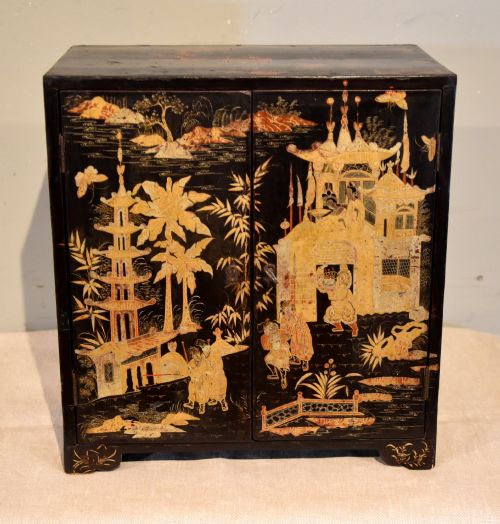
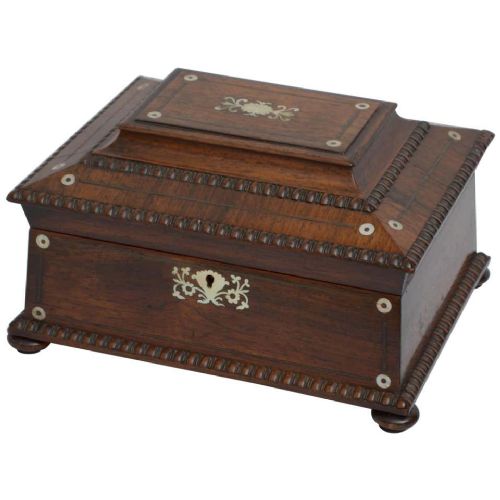
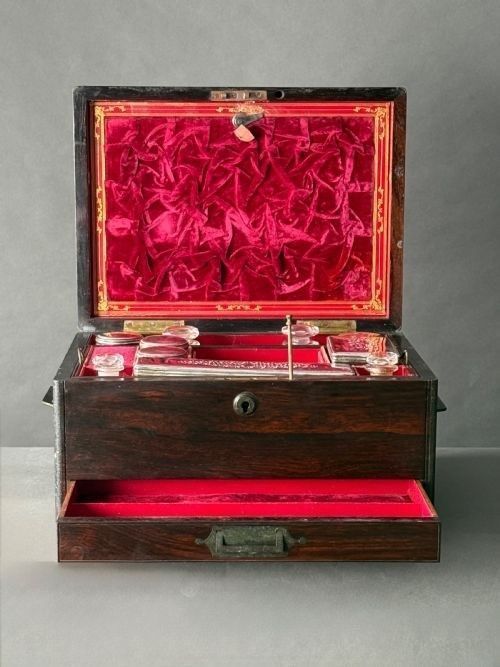
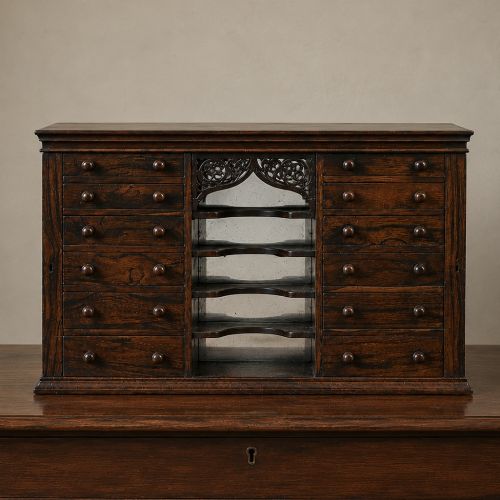
The assortment on this page also includes table-top boxes, caskets, and miniature chests used historically to store such valuables. These containers frequently utilise woods like rosewood and satinwood, aligning closely with the jewellery pieces they housed.
Materials and construction
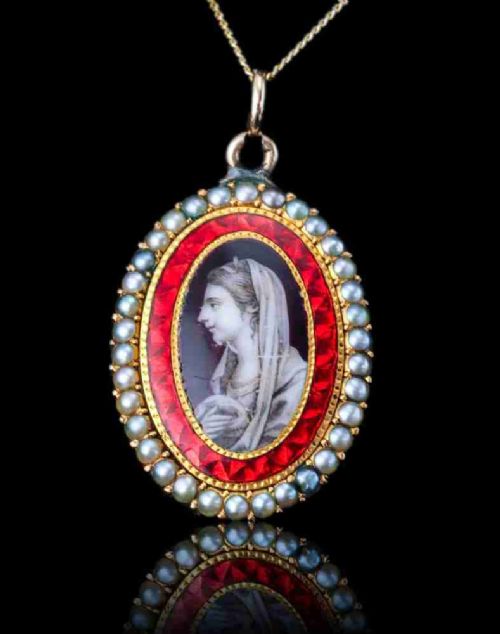
Goldsmiths and jewellers of the period worked extensively in yellow gold and silver, mounting stones such as diamonds, sapphires, amethysts, carnelian, and agate. Enamel work, particularly blue enamel and guilloche designs, appears frequently alongside seed pearls and flat-cut stones.
Box construction involves timber foundations like rosewood, mahogany, yew, and satinwood, often enhanced with brass mounts, tortoise shell, inlay, and leather bindings. Miniature cabinets and chests utilise similar cabinet-making techniques on a smaller scale.
Regency Jewellery Retail Price Guide 2026
Typical asking prices for regency jewellery among the pieces listed under this phrase on Sellingantiques today, from the lower quarter to the upper quarter. They describe what is for sale here now, not the wider market.
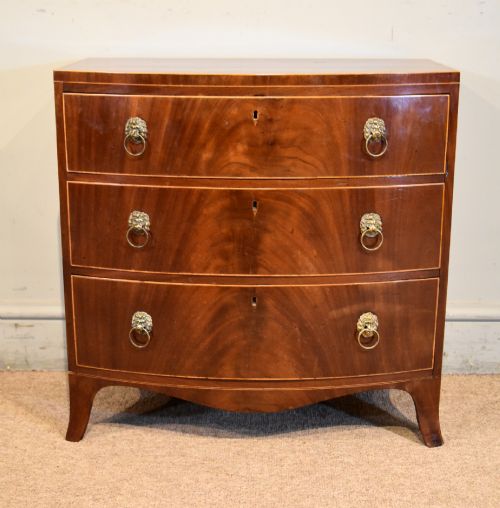
Several miniature chests of drawers listed here measure small enough to have served as apprentice pieces or desktop catch-alls.
Assessing quality
Quality rests upon the fineness of the metalwork, the depth of colour in the gems, and the intricacy of stone settings such as rose-cut diamonds or intaglios. Superior examples display precise enamelling and well-preserved structural details in both the mountings and the associated boxes.
Provenance and original condition dictate the standing of a piece. Items retaining undamaged tortoise shell, crisp brass mounts, and intact interior fittings demonstrate superior craftsmanship from their respective workshops.
The Regency Jewellery Glossary
- Intaglio
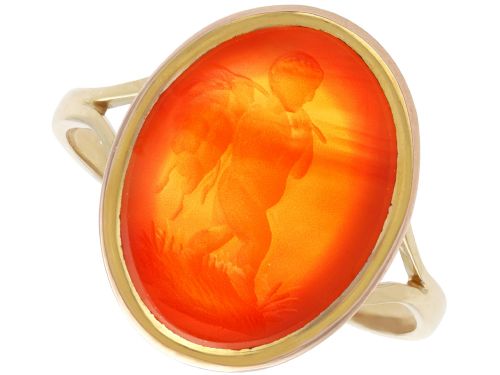
- A gemstone carved with a depressed design so that an impression can be made in relief. These stones appear frequently in Georgian rings.
- Guilloche
- A decorative engraving technique producing repetitive circular patterns beneath translucent enamel. It is often seen on early nineteenth-century earrings and pendants.
- Paste
- Heavy lead glass cut and polished to imitate gemstones. Georgian paste jewellery achieves high brilliance through this historical glass-working method.
- Writing slope
- A portable desk featuring a slanted writing surface that often doubles as a storage compartment for letters, ink, and small valuables.
- Rose-cut
- A diamond or gemstone cut with a flat base and a faceted dome comprising triangular facets. This cut predates modern brilliant cutting.
Regency Jewellery: Frequently Asked Questions
What defines regency jewellery?
Pieces attributed to this category generally date from the late eighteenth century through the early Victorian era, encompassing styles from the Georgian and Regency periods.
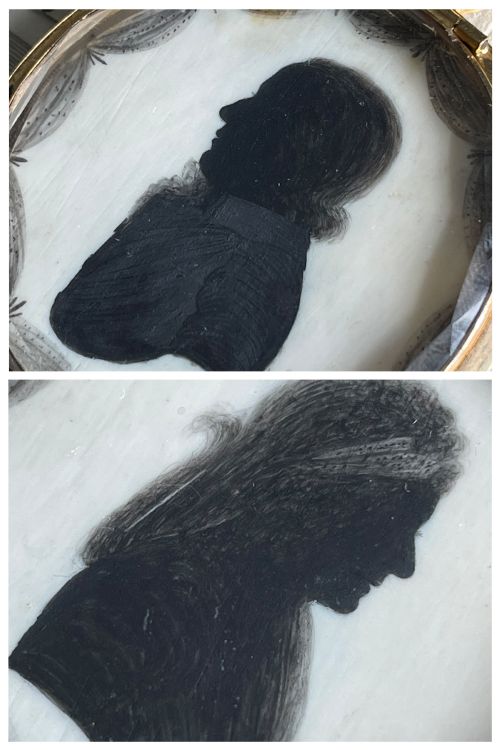
They rely heavily on yellow gold, silver settings, and natural gems such as pearls, amethysts, diamonds, and agates, often incorporating sentimental motifs like sepia portraits or hair work.
How do I care for antique jewellery boxes?
These wooden and leather caskets require stable humidity and temperature to prevent timber warping or tortoise shell cracking.
Keep them away from direct sunlight and treat leather or wood surfaces with appropriate conservation waxes rather than modern chemical polishes.
Were jewellery boxes made alongside the jewellery?
Cabinet makers and specialised box makers constructed rosewood, satinwood, and leather caskets specifically to house precious trinkets, rings, and sewing tools.
Many incorporate fitted compartments, velvet-lined trays, and miniature drawers designed to protect delicate items during the Georgian and Regency eras.
How can I tell a Georgian ring from a later piece?
Examination of the metalwork, backings, and stone cuts often reveals the period, as Georgian goldsmiths frequently used closed-back settings and hand-cut stones.
Characteristics like flat-cut amethysts, rose-cut diamonds, and high-carat yellow gold without modern hallmarks point directly to eighteenth and early nineteenth-century manufacturing methods.