


Regency Hand Glass
Regency hand glass objects are tactile pieces of domestic history that bring period polish to any dressing table or desk.
Regency Hand Glass
When you search for regency hand glass, you encounter functional optical and reflective objects spanning the Georgian, Regency, and nineteenth century periods.
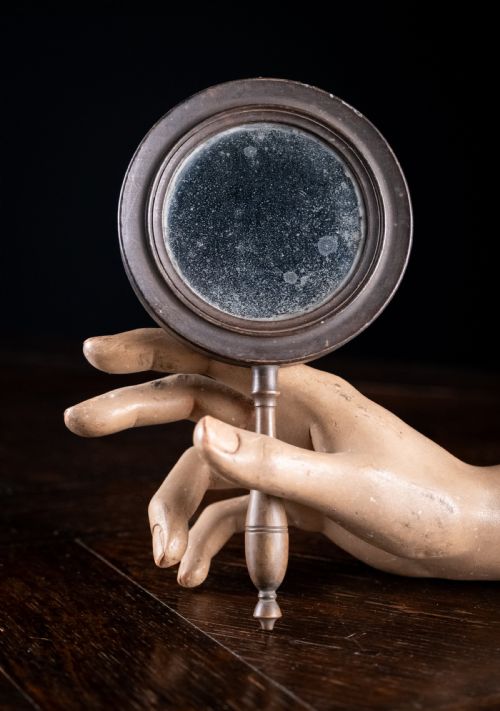
The selections on this page lean heavily towards double-sided hand mirrors, hand-held magnifying glasses with turned wooden handles, and pier glass mirrors.
These items originate primarily from English workshops, reflecting the domestic habits and interior tastes of the early nineteenth century.
Materials and Construction
Makers utilised lead crystal, clear glass, and coloured glass alongside turned wood frames and original reflective plates.
Craftsmen applied hand-blown and cut glass techniques to create substantial optical lenses and decorative frames, sometimes augmented with ormolu mounts.
Some hand-held magnifying glasses feature turned wooden handles stout enough to double as sturdy batons for stern domestic lectures.
Judging Quality and Execution
The distinction between ordinary and superior pieces rests on the clarity of the original glass plate and the crispness of the hand-cutting.
Substantial weight in the crystal and fidelity in the turned wood mounts elevate the presence of individual examples.
The Regency Hand Glass Glossary
- Pier glass
- A tall mirror designed to hang on the wall between windows, often reflecting light into darker rooms.
- Lead crystal
- Heavy, brilliant glass containing lead oxide, which permits deep diamond cutting and polished facets.
- Ebonised
- Wood treated to imitate ebony, providing a dark, contrasting frame for reflective glass plates.
- Comport
- A shallow bowl raised on a pedestal, used for serving fruit or sweets at Regency dining tables.
Regency Hand Glass: Frequently Asked Questions
How do I clean an antique hand mirror?
Use a soft, dry cloth for the wooden frame and apply a mild glass cleaner sparingly to the original plate.
Avoid letting moisture seep behind the mirror edge, as historical silvering is delicate.
Are these mirrors suitable for daily use?
While structurally sound, these pieces possess fragile historical glass and delicate frames that warrant careful handling.
Treat them as decorative dressing table accessories rather than robust modern items.
What indicates a Regency period frame?
Look for characteristic design elements such as ebonised wood, rosewood veneers, and precise turned handles.
Proportions remain balanced, reflecting the classical restraint of the early nineteenth century.
Why is the glass sometimes distorted?
Early hand-blown manufacturing methods inherently produced slight variations and minor ripples within the glass pane.
These optical quirks confirm the historical production techniques of the period.