


Antique Vanity Hand Glass
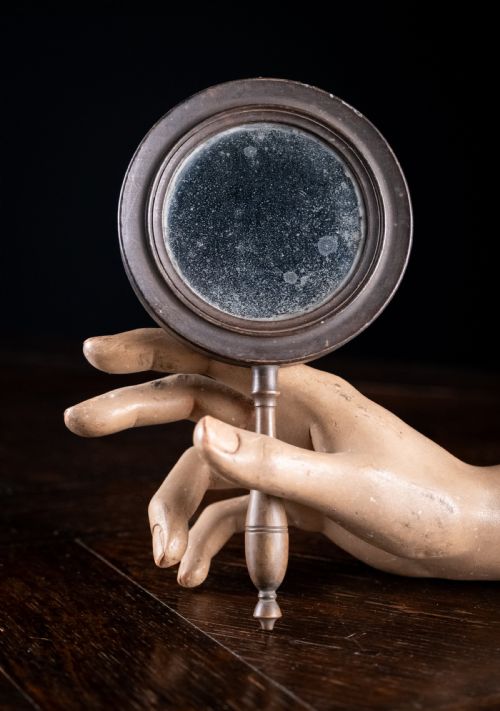
An antique vanity hand glass is a portable mirror for the dressing table that brings tactile elegance to daily grooming.
Antique Vanity Hand Glass
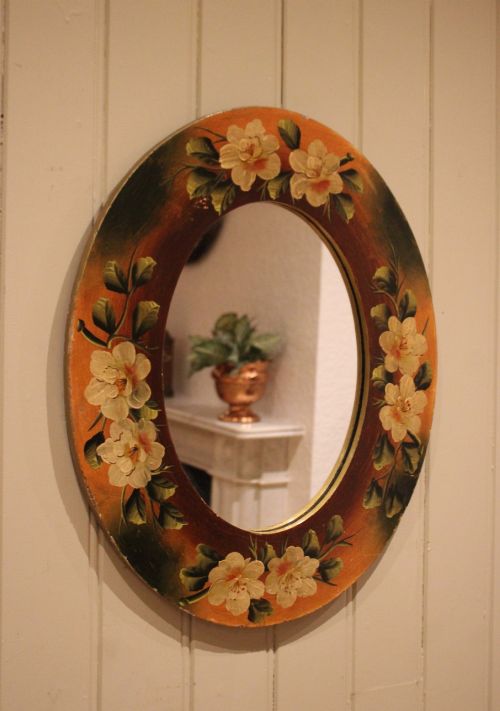
The selection here includes Regency and Georgian pieces alongside French Rococo revival designs and later Victorian examples. Materials range from wood and brass to enamelled glass and mirror glass, reflecting the dressing table accessories of past eras.
How they were made
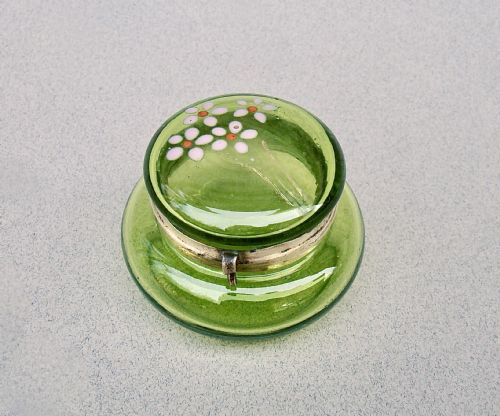
Maker techniques involve shaping materials like mahogany, brass, and metal to form the frames and handles of hand mirrors and trinket boxes. Enamelling and hand painting adorn the glass and metal surfaces of nineteenth-century pieces.
Original mirror plates are fitted into wooden, brass, or ormolu surrounds, sometimes with double-sided glass configurations as seen in Regency examples.
Georgian patch boxes were once carried in pockets to hide blemishes under tiny silk stars.
What varies in quality
Quality differences emerge in the execution of hand-painted floral details, the fineness of carved wooden frames, and the preservation of original mirror plates. Finer pieces display careful enamelling on glass or metal and sophisticated metalwork mounts.
The presence of maker signatures or specific regional craftsmanship, such as Limoges or Bilston enamels, elevates certain items above standard production.
Joseph Meissonnier
The Antique Vanity Hand Glass Glossary
- Ormolu
- Gilded bronze or brass mounts applied to decorative objects and mirrors. This technique provides a bright metallic finish characteristic of French revival pieces.
- Enamel
- A glassy substance fused to metal or glass through firing for decoration. It creates vibrant coloured surfaces on trinket boxes and jars.
- Regency
- An English design style dating from the early nineteenth century. Pieces from this period often feature clean lines or ebonised wood finishes.
- Georgian
- A period spanning the eighteenth century known for classical proportions. Hand mirrors and patch boxes from this era showcase refined craftsmanship.
- Patch box
- A small decorative container used in the eighteenth century for storing cosmetic patches. These boxes often feature enamelled lids and metal mounts.
Antique Vanity Hand Glass: Frequently Asked Questions
How do I date a hand mirror?
Dating relies on stylistic clues, materials, and framing techniques characteristic of periods like the Regency or Victorian era. Examining the mirror plate and any inscriptions provides further chronological context.
Makers often utilised specific decorative motifs or enamelling methods tied to their active decades.
Are these mirrors suitable for daily use?
These pieces function well for gentle daily use when handled with care. Their historic nature simply calls for mindful placement on dressing tables.
Original glass plates and delicate frames benefit from standard antique maintenance without harsh cleaning agents.
How do French and English styles differ?
French styles often incorporate Rococo revival curves, ormolu mounts, and painted floral motifs on glass or porcelain. English pieces from the Georgian and Regency periods tend towards structured wood frames and simpler brass work.
Both national traditions focused on elevating the aesthetics of personal grooming accessories.