


Regency Gilt Porcelain Dish
These porcelain pieces combine rich gilding with refined forms from the Regency era, offering a practical touch of historical elegance for the modern table.
Regency Gilt Porcelain Dish
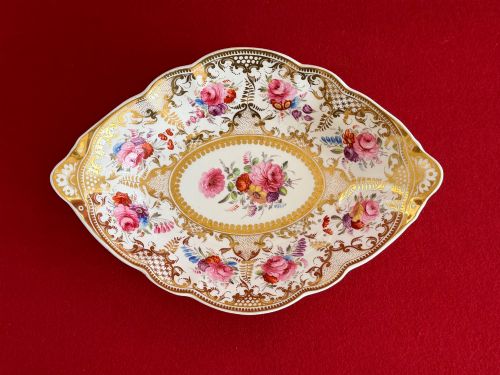
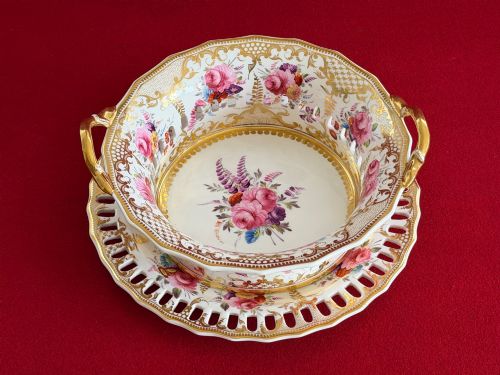
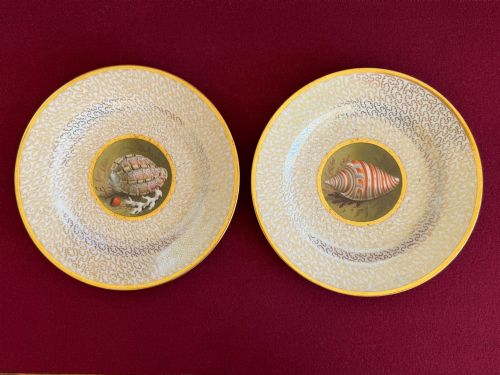
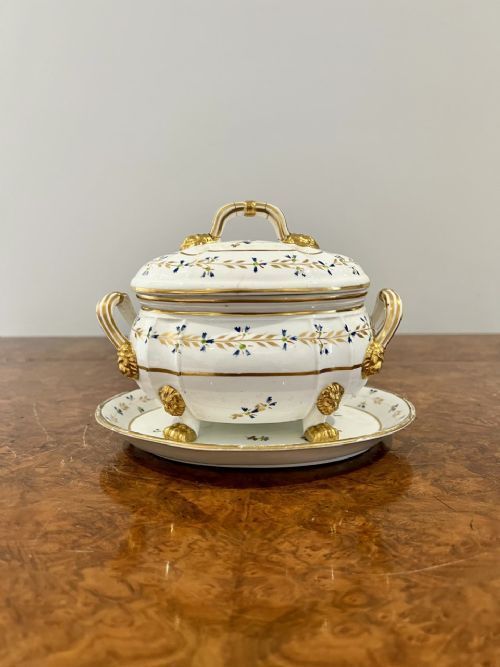
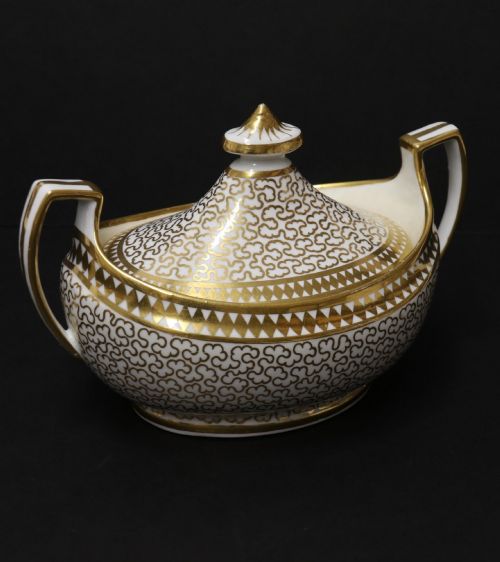
A regency gilt porcelain dish encompasses various serving vessels, plates, and ornamental containers produced during the early nineteenth century and the preceding Georgian period.
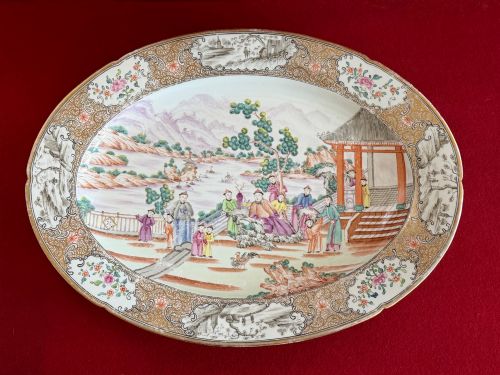
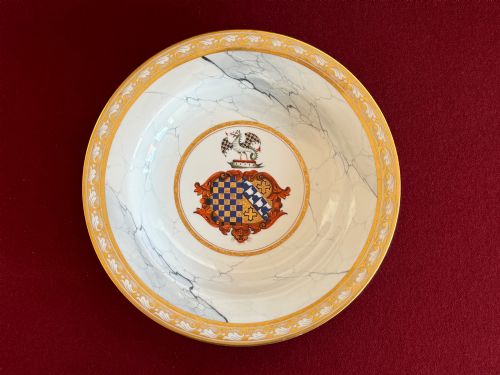
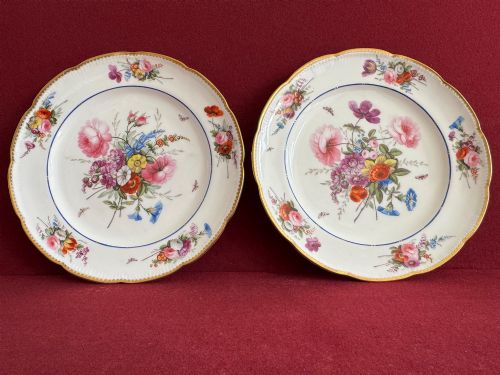
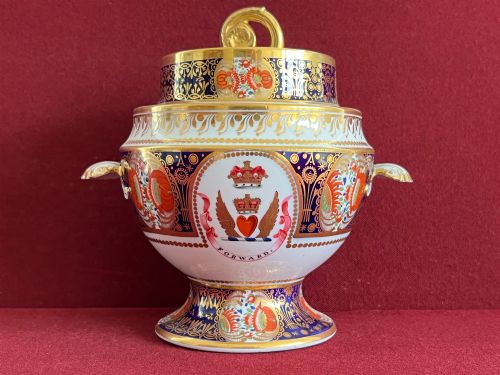
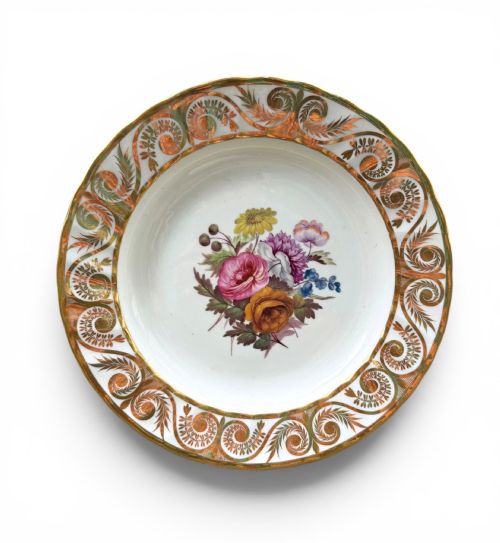
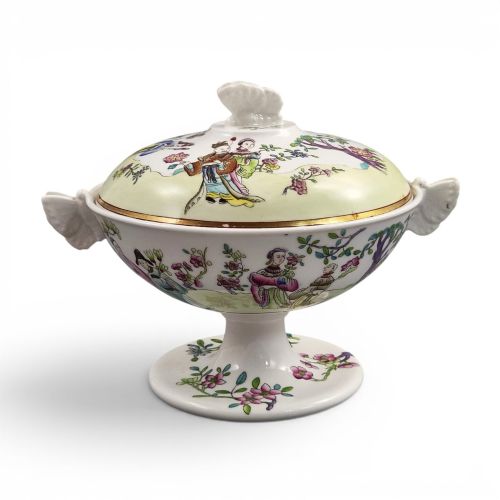
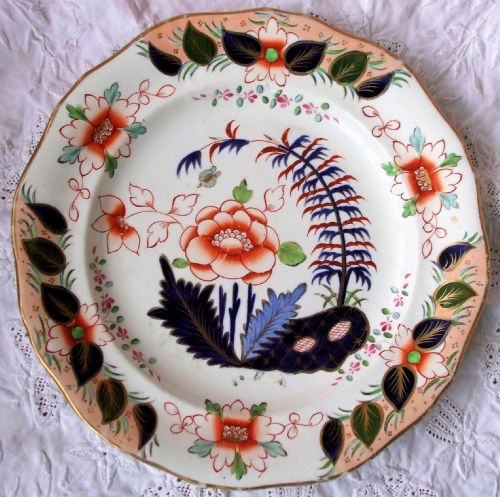
Buyers most frequently encounter plates, dessert dishes, and tureens shaped from fine porcelain, ironstone, or felspar porcelain, often adorned with handpainted botanical, armorial, or Chinoiserie motifs.
Originating from renowned factories such as Worcester, Derby, and Swansea, these items bridge functional diningware and cabinet display pieces.
Manufacturing and materials
The bodies of these items rely on fine porcelain, ironstone, or durable felspar porcelain, shaped into plates, comports, and lidded tureens.
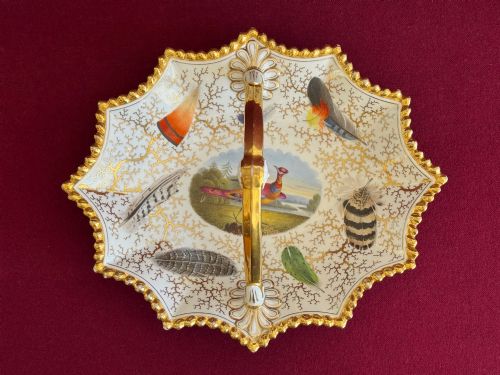
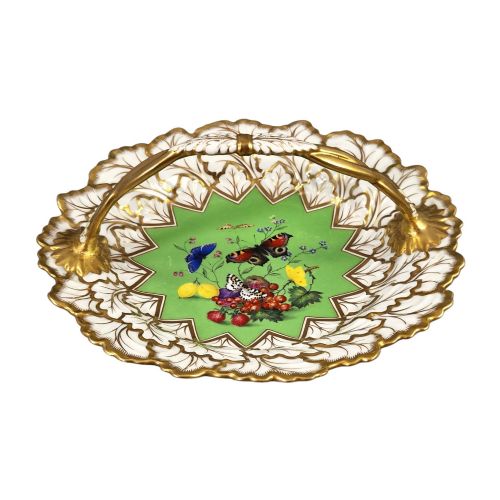
Gold leaf and rich gilding highlight moulded edges, handles, and painted borders, complementing polychrome enamels used for botanical studies, butterflies, and oriental patterns.
Regency Gilt Porcelain Dish Retail Price Guide 2026
Typical asking prices for regency gilt porcelain dish among the pieces listed under this phrase on Sellingantiques today, from the lower quarter to the upper quarter. They describe what is for sale here now, not the wider market.
Some plates feature intricate butterflies perched delicately amongst the gilding, ready to flutter away from the dessert table.
Determinants of quality
The precision and detail of handpainted elements, such as botanical specimens or topographical views by named decorators, elevate a piece above standard factory output.
The crispness of the porcelain moulding and the generosity and preservation of the gold leaf or gilding indicate the original workshop tier and subsequent care.
Flight Barr and Barr·Chamberlain Worcester·Crown Derby·John Davenport·C.J. Mason
The Regency Gilt Porcelain Dish Glossary
- Armorial
- Bearing a coat of arms or heraldic crest. These bespoke commissions were often created for prominent nobility.
- Felspar porcelain
- A durable ceramic body patented in the nineteenth century. It offered increased strength and a smooth white surface for enamel painting.
- Comport
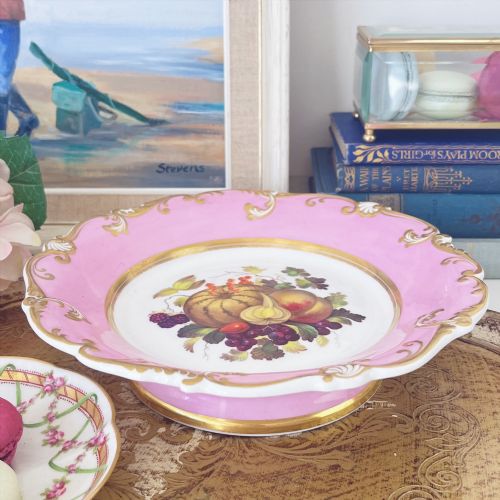
- A raised serving dish or tazza used for fruit or sweetmeats during dessert courses. They frequently feature footed bases.
- Chinoiserie
- A decorative style reflecting European interpretations of Chinese and East Asian art. It appears on plates through dragon motifs and oriental landscapes.
- Sucrier
- A small covered sugar bowl designed for tea service tables. They often match the tea plates and tureens of the same period.
Regency Gilt Porcelain Dish: Frequently Asked Questions
How were these dishes used originally?
These pieces served practical and decorative functions during formal nineteenth-century dining, particularly for dessert courses or tea service.
Hosts used comports, plates, and tureens to present fruit, sweetmeats, and sauces while displaying their wealth through heraldic armorials and fine gilding.
Can I use them for dining today?
While structurally sound, antique porcelain requires careful handling due to age and delicate enamel work.
Handwashing is essential to preserve the gold leaf and painted details, and most owners choose to use them for display or very light service.
How do I identify Regency pieces?
Regency ceramics generally date from the early nineteenth century, marked by classical revival forms and refined botanical or topographical painting.
Factory marks on the underside, when present, help confirm the specific maker and production decade.
What is ironstone compared to porcelain?
Ironstone is a heavier, more robust ceramic material developed in the nineteenth century to withstand heavy daily use.
While porcelain offers a more translucent and delicate body, ironstone provided durability without sacrificing decorative appeal.