






Regency Gilded Frame
A regency gilded frame holds together the light and the polish of the early nineteenth century.
Regency Gilded Frame
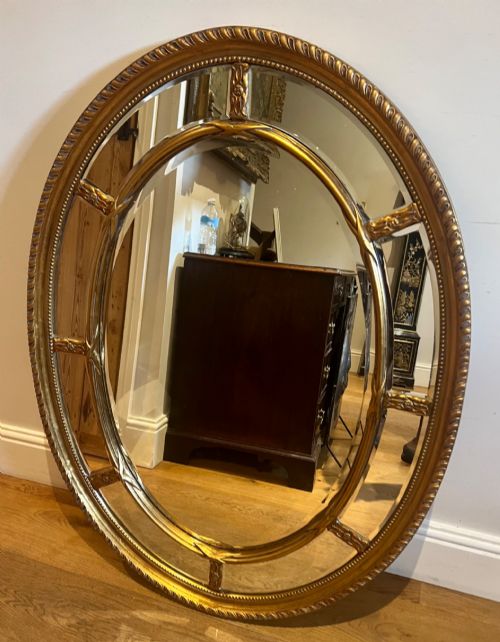
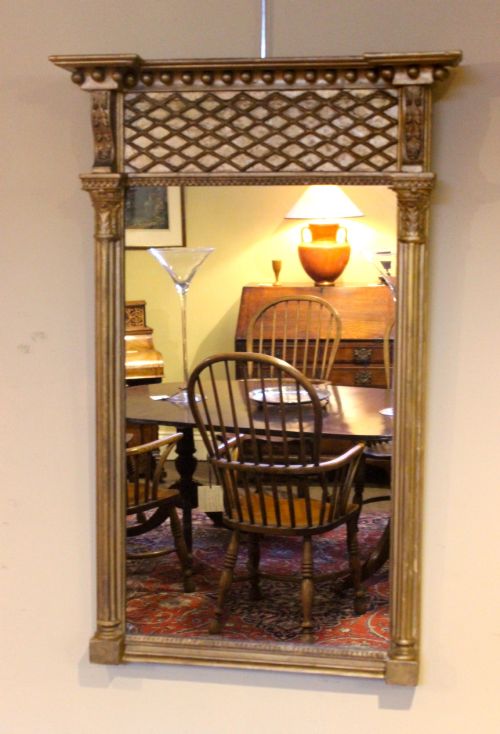
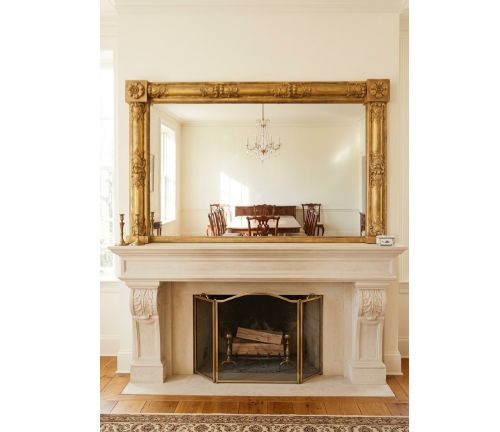
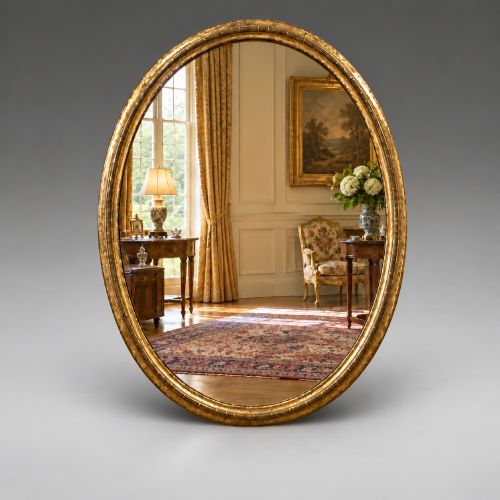
A regency gilded frame typically encloses wall mirrors, overmantel mirrors, pier mirrors, convex mirrors, and oil paintings originating from the nineteenth, eighteenth, and early twentieth centuries. These objects emerge from Regency, Georgian, Neoclassical, and Victorian periods, often taking large rectangular or circular forms designed for grand rooms.
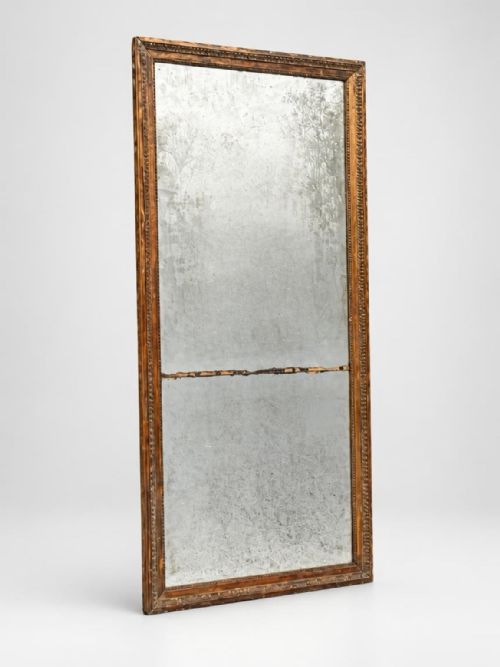
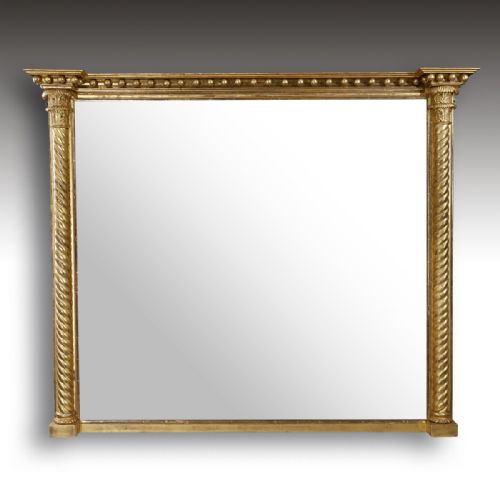
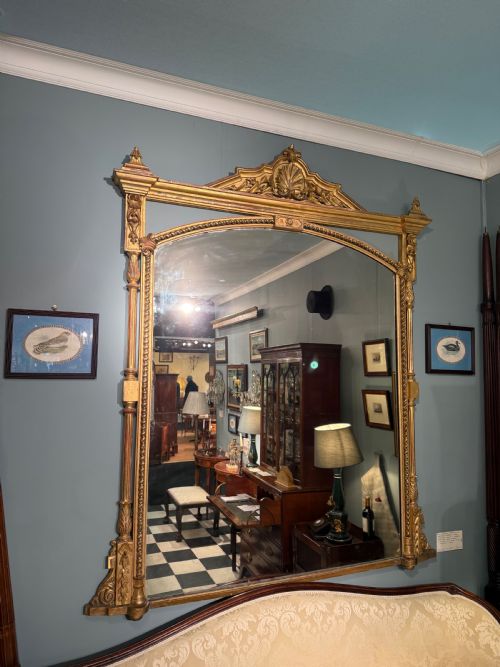
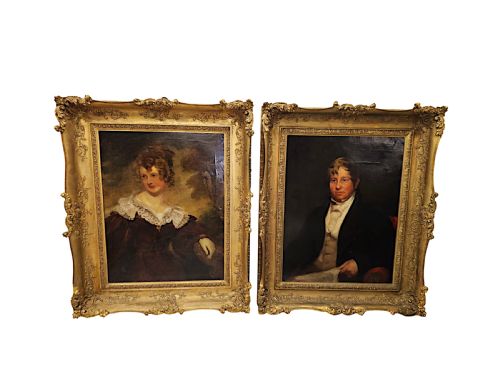
The version most frequently met on this page is the large giltwood overmantel mirror or wall mirror, rendered in carved wood and gesso with glass plates that occasionally show foxing. Alongside mirrors, buyers encounter framed oil paintings on canvas, watercolours, silhouettes, and prints created by British schools and portraitists.
Originating predominantly from English country houses and urban workshops, these items serve both a decorative and a functional purpose. They reflect ambient light across a drawing room or preserve historical portraiture within structured borders of gold leaf.
How they were made
Makers constructed these objects using timber frames built from wood, upon which they applied layers of gesso to create a smooth, responsive surface for carving. Artisans then laid gold leaf over the prepared gesso, burnishing the metal to achieve a brilliant metallic sheen.
Ornamentation involved carved details such as rope twists, neoclassical motifs, and column supports, alongside composition ornaments moulded and applied to the wooden substrate. Glass plates were set into the rebates behind protective backboards, while oil paintings were stretched across wooden canvases within the gilded boundaries.
Regency Gilded Frame Retail Price Guide 2026
Typical asking prices for regency gilded frame among the pieces listed under this phrase on Sellingantiques today, from the lower quarter to the upper quarter. They describe what is for sale here now, not the wider market.
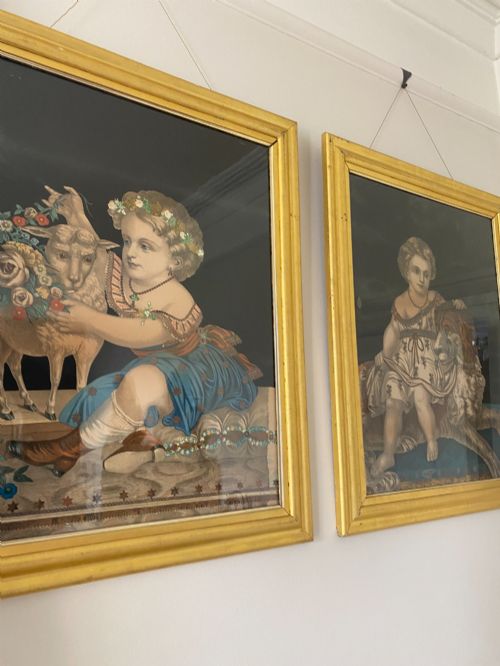
Children portrayed in large nineteenth-century prints on this page occasionally sport startlingly unusual metal embellishments stitched directly onto their clothing.
What varies in quality
The distinction between tiers rests upon the depth of the carving and the purity of the gilding applied to the wood and gesso surface. Pieces showing hand-chiselled wooden enrichment surpass those relying entirely on moulded composition ornament.
Proportion and the preservation of the original gold leaf layer dictate the standing of a frame. The harmony between the glass plate - whether clear or foxed - and the structural integrity of the outer mitres defines the upper echelon of surviving examples.
Miles & Edwards·Sir Martin Archer Shee·Samuel De Wilde·Alfred Lyndon Grace·William Burwash
The Regency Gilded Frame Glossary
- Giltwood
- Wood coated with gold leaf or gold paint. This material forms the primary structure of classical wall and overmantel mirrors.
- Gesso
- A plaster mixture applied to wood frames to create a smooth surface for gilding. It accepts fine detail work from carvers and modellers.
- Overmantel mirror
- A large horizontal mirror designed to hang above a fireplace mantelpiece. These pieces frequently feature architectural columns or neoclassical motifs.
- Convex mirror
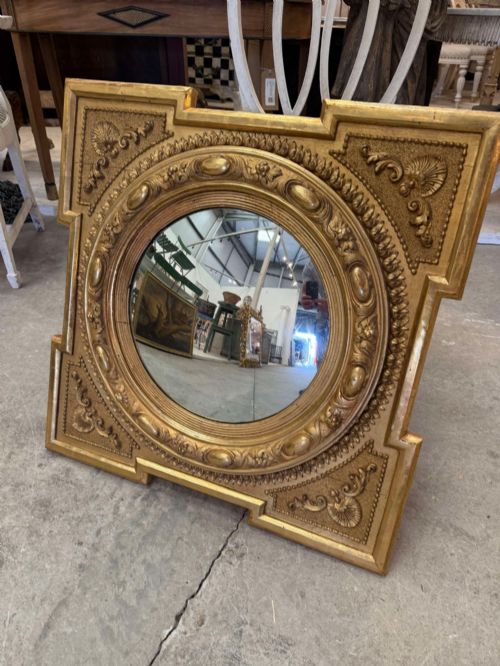
- A round mirror with a curved glass plate that reflects a wide, distorted field of view. They often incorporate ebonised reeded inner rims.
- Foxing
- Brown spots and discolouration on a mirror glass plate caused by oxidation. This natural ageing process alters the reflective surface over time.
Regency Gilded Frame: Frequently Asked Questions
Where should a regency gilded frame mirror hang?
These mirrors traditionally occupy spaces above fireplace mantels or anchor the walls of formal drawing rooms to amplify natural light.
Their substantial proportions require secure wall fixings attached directly to structural studs or masonry.
How do you clean a gilded frame safely?
Dust the gilded surfaces gently using a dry, soft bristle brush to prevent dislodging delicate gesso or gold leaf flakes.
Avoid liquid cleaners, chemical solvents, or abrasive cloths that can strip the metallic finish from the wood.
What is foxed glass?
Foxing refers to the natural oxidation of the silver backing behind the mirror glass, creating characteristic dark spots and cloudy patches.
Many collectors prize this patination as evidence of genuine age and historical authenticity.
How do you distinguish Regency style from Victorian style?
Regency designs lean towards restrained neoclassical restraint, clean architectural lines, and delicate gilded motifs.
Victorian iterations tend to introduce heavier gesso ornamentation, bulkier frames, and more exuberant floral or rope carvings.