



Regency Gentleman Wall Art
Regency gentleman wall art brings historical character to a room through original painted portraits and miniatures from the nineteenth century.
Regency Gentleman Wall Art
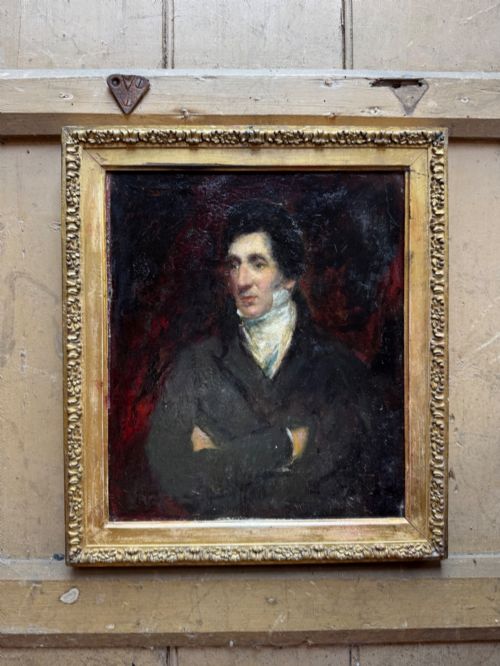
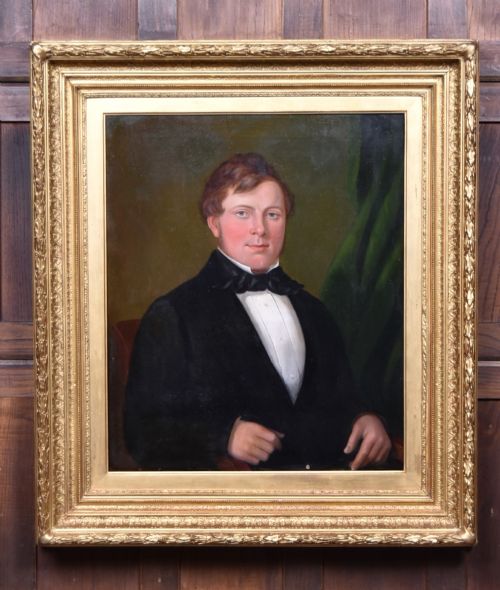
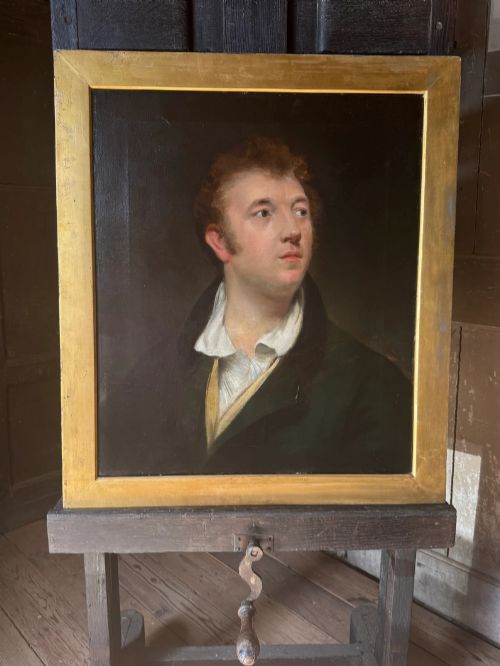
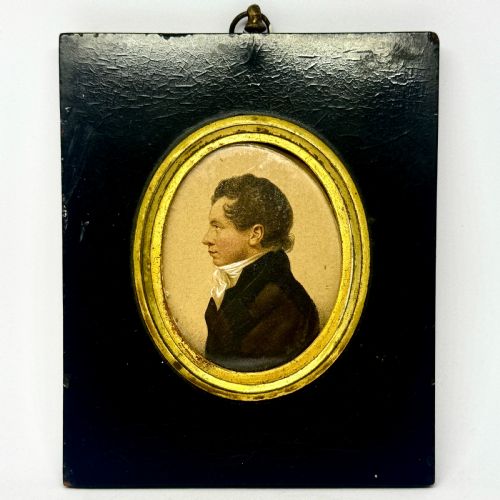
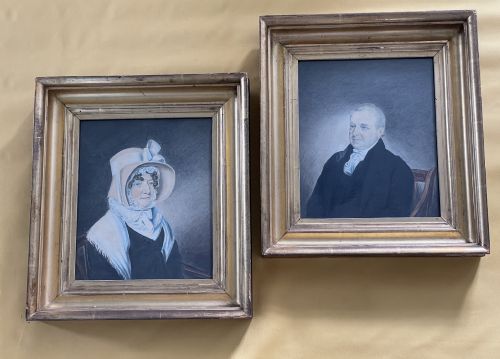
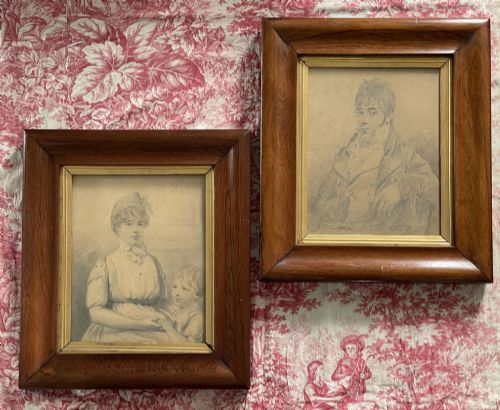
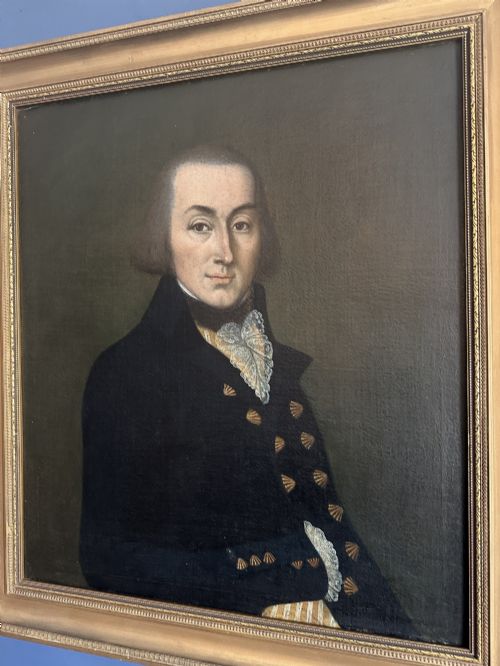
Regency gentleman wall art comprises historical portraits depicting male subjects from the late eighteenth and nineteenth centuries. These pieces appear primarily as oil paintings on canvas or board, alongside smaller waterworks, silhouette cuts and delicate portrait miniatures. Most examples belong to the nineteenth century, capturing sitters in formal attire, military uniform or everyday dress from the period.
Buyers encounter a variety of formats ranging from large framed oils intended for principal reception rooms to intimate companion miniatures designed for personal display. The selection includes works by named British and European artists as well as pieces originating from regional or naive schools. This diversity allows collectors to source everything from imposing aristocratic likenesses to modest studies of character.
Materials and construction
The physical foundation of these artworks relies on traditional painterly materials such as oil paint applied to stretched canvas or wooden panels. Watercolours on paper and graphite drawings also feature, often protected behind glass within period frames. These frames frequently utilise carved wood, gesso and gold leaf to create ornate gilded borders.
Techniques vary from accomplished academic portraiture with fine brushwork to simpler naive applications by regional practitioners. Miniature portraits demand meticulous detail on ivory or card, while silhouette cuts involve precise paper manipulation. Original stretching, backing materials and period frames contribute significantly to the physical integrity of each piece.
Listings feature works spanning the eighteenth, nineteenth and twentieth centuries, executed in oil, watercolour, graphite and cut paper.
Distinctions in craftsmanship
The standard of execution in Regency gentleman wall art depends heavily upon the painter's ability to render anatomy, expression and textiles convincingly. Superior works display confident handling of light across fabric and realistic facial modelling, whereas simpler pieces rely on formulaic postures and flat planes of colour. The presence of a documented artist or a distinguished sitter elevates the historical importance of the artwork.
Condition and originality play a major role in establishing the quality of a surviving portrait. Examples retaining their original giltwood gesso frames and untouched painted surfaces carry greater visual harmony. Later interventions, such as extensive repainting or the replacement of original mounting materials, alter the historical character of the piece.
Sir William Beechey·James Howe·Frederick Frith·George Hargreaves·George Chinnery·Richard Cosway·John Opie·John Phillip·John Partridge·George Francis Joseph·Stephen Taylor·Joseph Clover·Benjamin Marshall·Henry Wyatt
The Regency Gentleman Wall Art Glossary
- Portrait miniature
- A small-scale painting executed with fine detail, often created on ivory, vellum or card for personal portability. These delicate works frequently feature bone or metal surrounds.
- Giltwood
- Wood carved and covered with a thin layer of gold leaf or gold paint. This finish characterises the ornate frames typical of the period.
- Oil on canvas
- Pigment suspended in a drying oil medium applied to a woven fabric support stretched over a wooden frame. This method represents the primary medium for large formal portraits.
- Silhouette
- A portrait profile filled in with a solid dark colour, typically cut from black paper or painted on a pale background. These economical likenesses gained popularity during the late eighteenth and early nineteenth centuries.
- Provenance
- The documented history of ownership of an artwork tracing its origin to the creator. Clear provenance adds considerable context to historical portraits.
Regency Gentleman Wall Art: Frequently Asked Questions
How do I identify a genuine Regency portrait?
Authentic Regency portraits exhibit painting styles, clothing fashions and hairstyles characteristic of the early nineteenth century. Examining the construction of the canvas stretcher, backing boards and framing methods offers additional clues regarding age.
Furthermore, many works bear signatures, inscriptions or historical labels on the reverse. Comparing the technique with known examples from the period helps confirm authenticity.
Where should I hang a portrait miniature?
Portrait miniatures suit intimate spaces where viewers can appreciate their intricate detail at close range. Grouping several small framed pieces together on a study or hallway wall creates a striking visual arrangement.
Protect these delicate works from direct sunlight to prevent the fading of watercolours and pigments. Stable indoor humidity levels also preserve the integrity of paper and organic mounting materials.
What is the difference between an oil painting and a watercolour?
Oil paintings utilise pigment bound in drying oil applied to canvas or wood panels, allowing for rich colour depth and layered textures. Watercolours employ water-soluble pigments on paper, producing a lighter, more translucent finish.
Oils generally appear in larger formats suited to principal rooms, while watercolours and drawings are smaller and require glass protection. Both mediums record the likenesses of gentlemen from the era using entirely different technical approaches.
How are antique frames important to the artwork?
Period frames provide structural context and complement the aesthetic style of the painting they enclose. Original giltwood and gesso frames demonstrate the craftsmanship contemporary with the portrait.
While frames sometimes undergo restoration or replacement over the centuries, matching a piece with a correct period surround enhances its visual presentation. Inspecting the corners and decorative moulding reveals the age and manufacturing technique of the frame itself.