

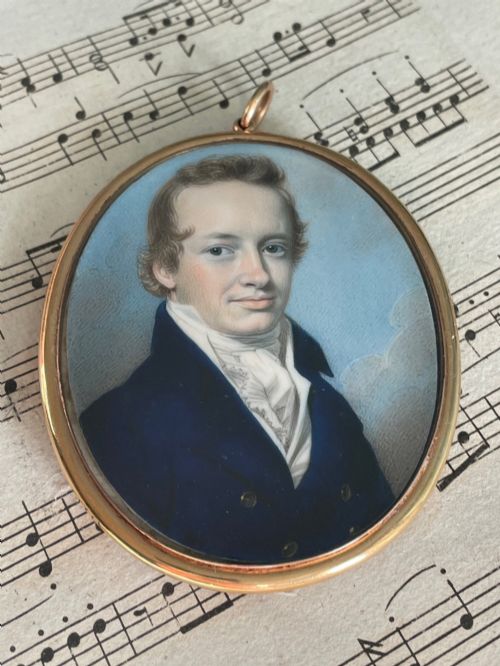
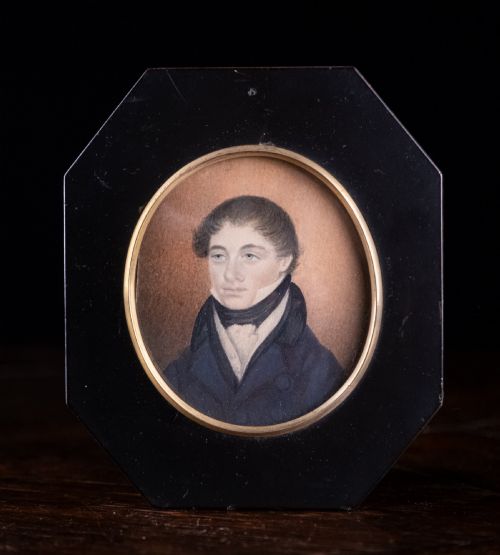
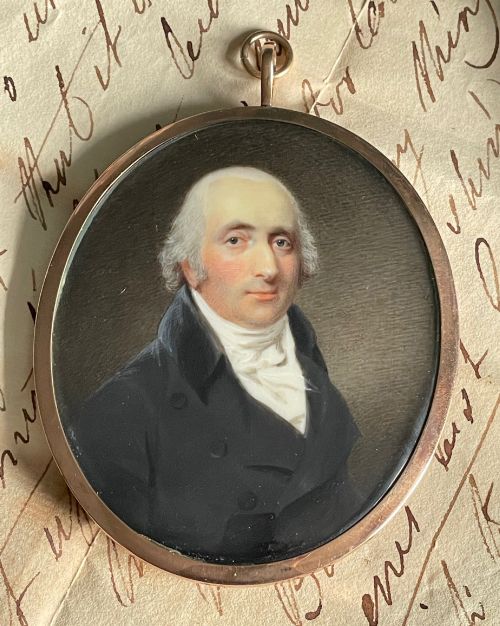
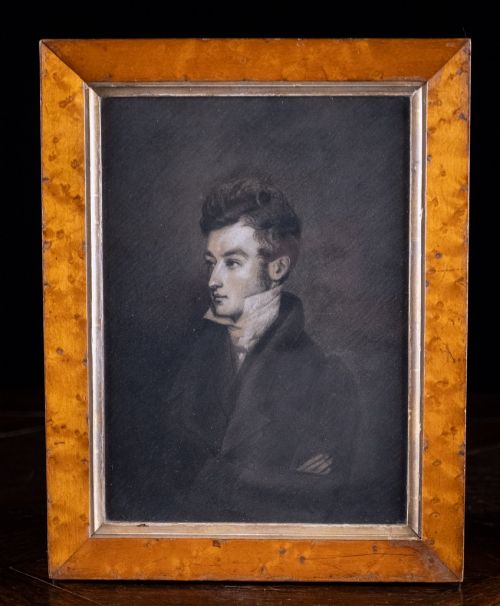


Regency Gentleman Portrait Miniature
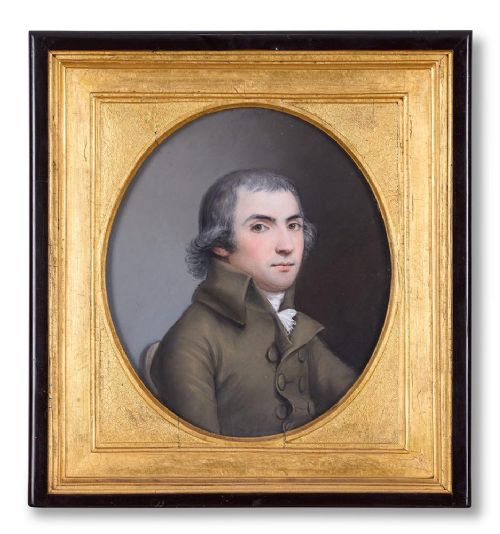
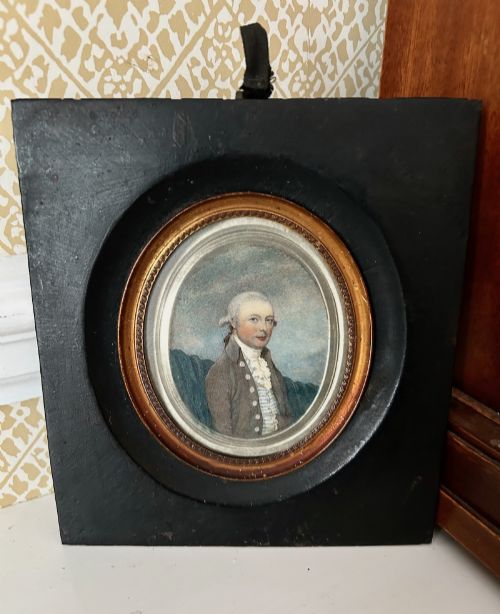
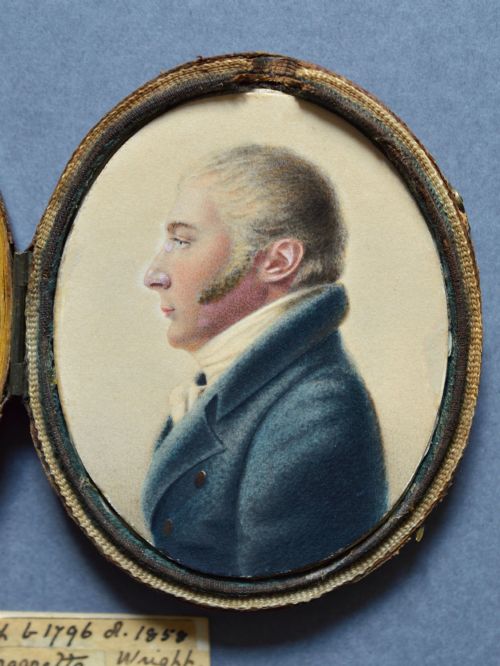
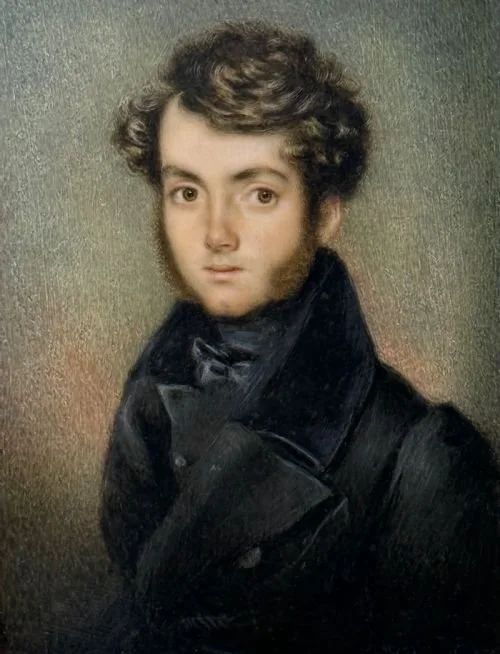
A regency gentleman portrait miniature is a small, intimate painting capturing the likeness of a man from the Georgian and Regency eras, offering a direct window into historical personal style.
Regency Gentleman Portrait Miniature
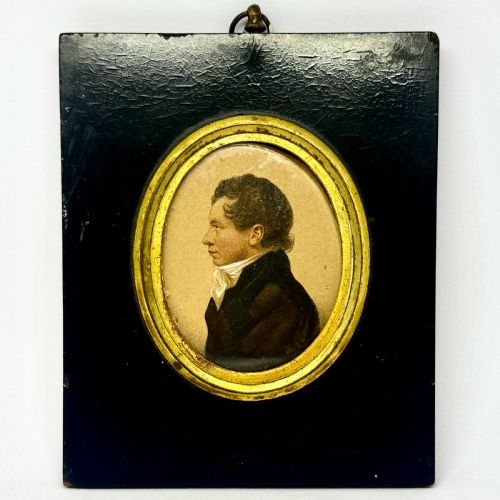
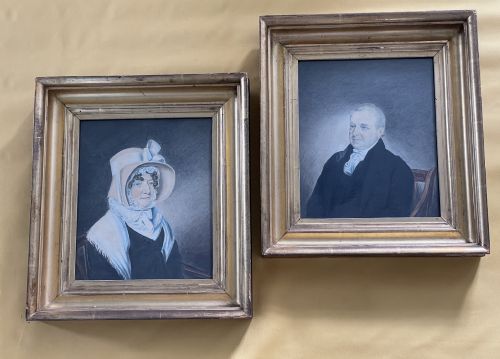
The versions you will most commonly encounter on this page span the late eighteenth century through the mid-nineteenth century. They appear primarily as watercolour paintings, silhouette portraits, and miniature paintings housed in protective frames or stands.
Makers and artists working in this scale ranged from accomplished professionals like William Wood and Frederick Buck to English and regional schools. Their subjects include named figures such as Sir William Barnard alongside anonymous sitters.
Factors of distinction
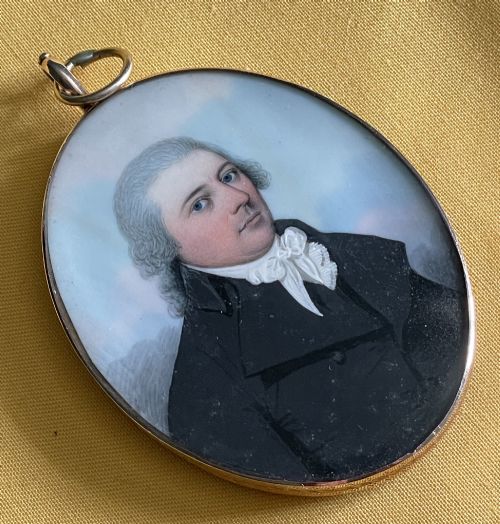
The skill of the brushwork and the precision of the sitter's likeness separate the finest examples from standard commercial work. Master artists rendered fabric textures, facial expressions, and natural lighting with remarkable clarity despite the minute scale.
The quality of the housing contributes significantly to the overall piece, with heavy gilt metal frames, original glass, and integrated stands elevating the presentation. Signed works or those attributed to recorded miniaturists carry distinct historical weight.
Regency Gentleman Portrait Miniature Retail Price Guide 2026
Typical asking prices for regency gentleman portrait miniature among the pieces listed under this phrase on Sellingantiques today, from the lower quarter to the upper quarter. They describe what is for sale here now, not the wider market.
Listings incorporate both painted watercolour works on paper and ivory alongside dark cut-paper and painted silhouettes from the nineteenth century.
William Wood·Thomas John Horsley·Charles Jagger·John C D Engleheart·Frederick Buck·George Hargreaves·Thomas Woolnoth·George Engleheart·John Inigo Wright·AE Chalon
The Regency Gentleman Portrait Miniature Glossary
- Silhouette
- A portrait profile filled in as a solid dark shape, often cut from paper or painted. These pieces became particularly popular during the late Georgian and Regency periods.
- Gilt metal
- Metal treated with a thin layer of gold or gold-coloured wash. It frequently frames these small portraits to provide both protection and a decorative border.
- Ebonised wood
- Timber treated to resemble expensive ebony wood. It appears regularly in the dark frames surrounding nineteenth-century silhouettes.
- Georgian period
- The era spanning the reigns of the four British monarchs named George from 1714 to 1830. Portrait miniatures from this time often reflect the shifting fashions of the era.
Regency Gentleman Portrait Miniature: Frequently Asked Questions
What is a regency gentleman portrait miniature?
A regency gentleman portrait miniature is a small painted or silhouetted likeness of a man created during the late Georgian and Regency eras. These portable artworks were often commissioned to commemorate loved ones or military figures.
Created on materials such as paper and ivory, they allowed sitters to carry images of family members or associates close to them. Their compact size made them suitable for desk placement or personal wear.
How were these miniature portraits displayed?
Many of these pieces were housed in protective gilt metal frames, wooden cases, or specialised stands designed for tabletop display. Some were intended to be worn as pendants or kept in velvet-lined cases.
The inclusion of glass covers helped protect the delicate watercolour pigments and paper surfaces from dust and environmental moisture over time.
How do I care for a miniature painting?
Protecting these delicate works requires keeping them away from direct sunlight, which can fade watercolours and discolour paper or ivory supports. Stable room temperatures and low humidity prevent warping of the frames and materials.
Avoid opening sealed frames, as the internal glass and seals protect the historical surface from modern atmospheric contaminants.
How can I tell the period of a portrait?
Clothing styles, hairstyles, and framing techniques offer the clearest clues to the date of a portrait. High-collared coats, cravats, powdered wigs, and sideburns align with specific decades between the eighteenth and nineteenth centuries.
Signatures, inscriptions on the reverse, and the construction style of the metal or wooden frames also help narrow down the date of creation.