

Regency Furniture on Castors
Regency furniture on castors brings mobility to formal dining rooms and libraries, pairing mahogany and rosewood with brass wheels for effortless room re-arrangements.
Regency Furniture on Castors
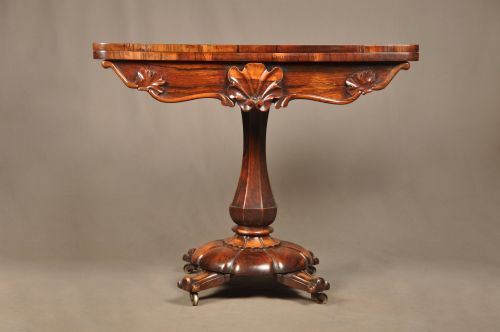
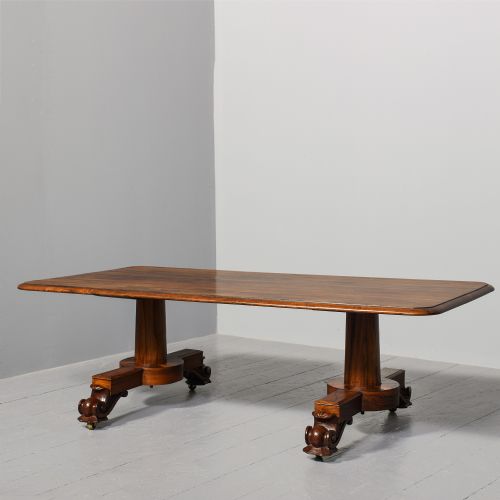
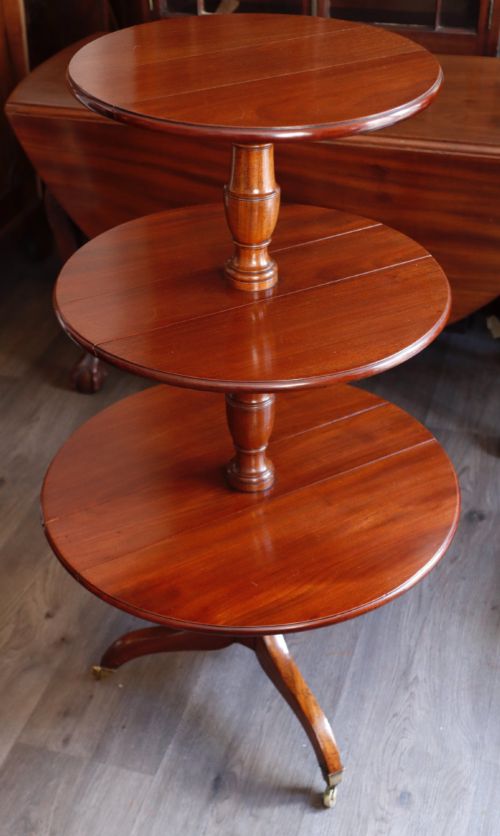
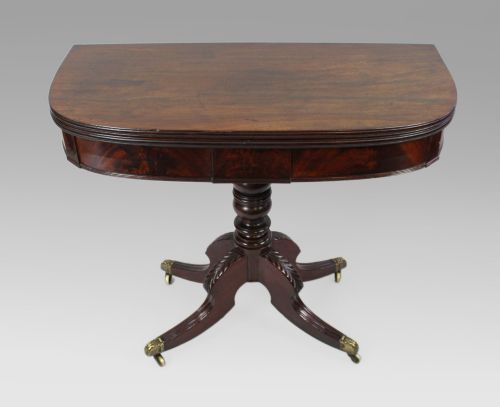
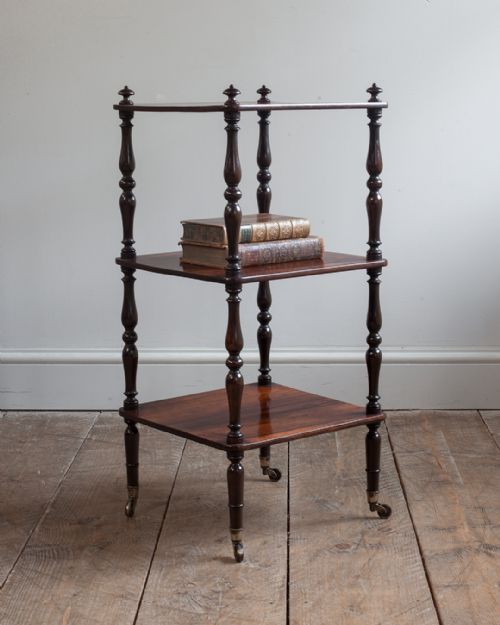
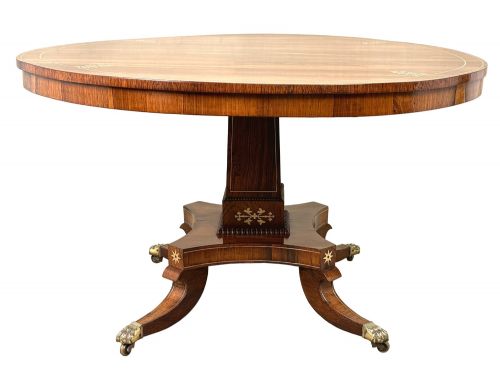
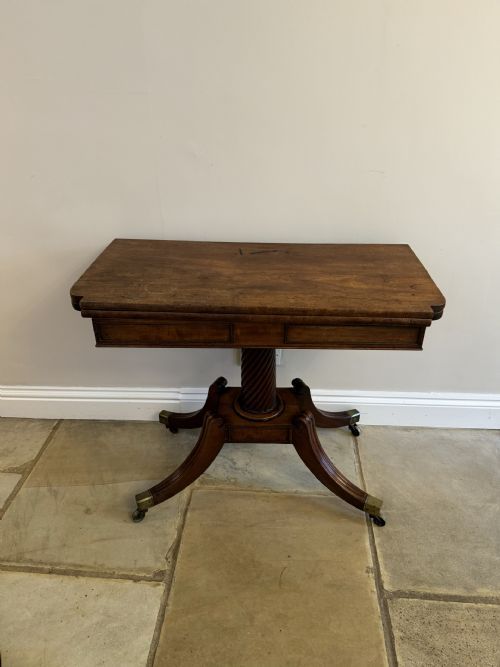
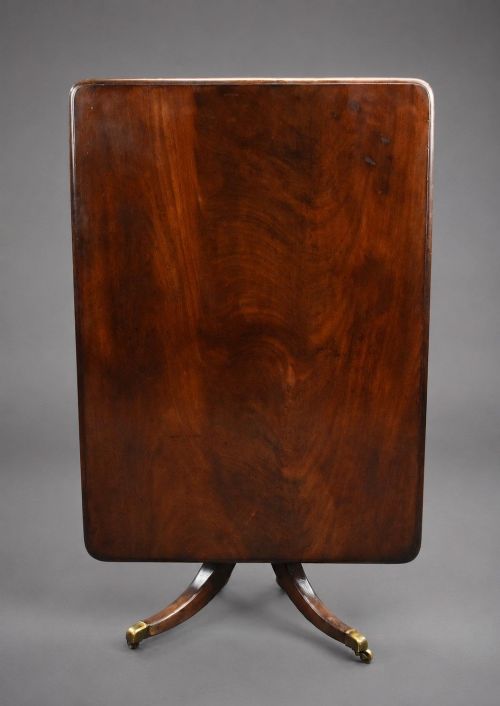
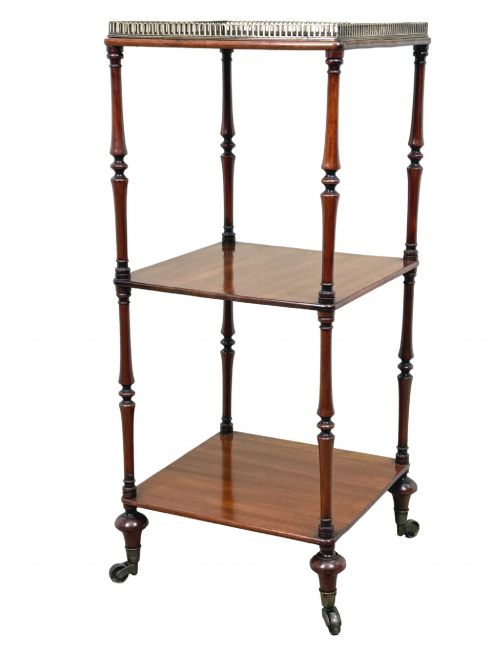
Regency furniture on castors covers a practical range of moveable domestic pieces designed for fluid room layouts, uniting dining tables, card tables, and reading desks with wheeled supports. You will most frequently encounter mahogany and rosewood dining tables, tea tables, and tiered whatnots equipped with small brass wheels.
The selections span from original Regency period examples to later revivals, maintaining the characteristic low centres of gravity needed for smooth movement across carpets and wooden floors. These pieces were built to follow the light or clear space quickly, shifting function from a quiet corner to the centre of the room without heavy lifting.
Materials and construction methods
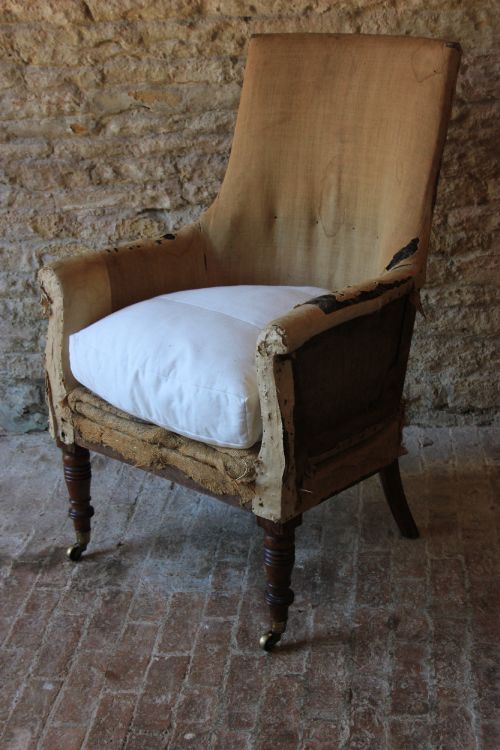
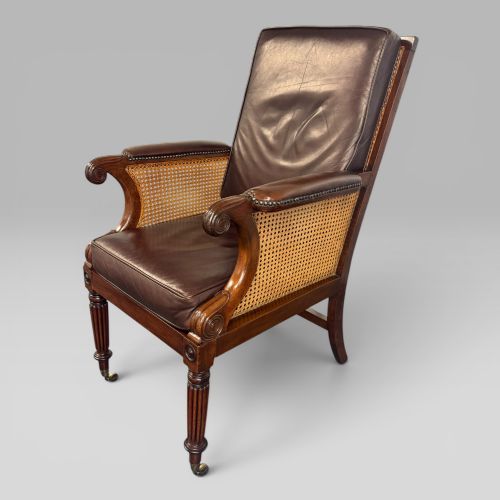
Makers constructed these movable pieces primarily using solid and veneered mahogany and richly grained rosewood, frequently incorporating boxwood stringing and brass inlays for decorative contrast. Secondary woods supported the internal framework, while fabric, leather, cane, and hessian lined the surfaces of writing desks, bergère armchairs, and needlework tables.
Castors were integrated directly into the foot of turned or tapered legs, utilising brass sockets and small rollers that allowed heavy side tables and breakfast tables to glide smoothly. The joinery relied on traditional methods to withstand the lateral stress placed on frames whenever the furniture was rolled across a floor.
Listings feature mahogany, rosewood, and birdseye maple alongside functional elements like brass castors, cane, and leather.
Judging the standard of execution
Quality rests heavily on the crispness of the cabinetwork, the selection of timber veneers, and the harmonious proportion of the base to the rolling mechanism. Finer pieces display meticulous boxwood inlay, tightly figured rosewood or Cuban mahogany grains, and substantial cast brass mounts that integrate seamlessly with the leg design.
The integrity of the underlying frame dictates longevity, as pieces moved frequently on castors endure more structural wear than static items. Superior examples retain their original brass wheels and turning details without looseness in the joints or clumsy repairs to the foot blocks.
Mallett·Whytock and Reid·Gillows
The Regency Furniture on Castors Glossary
- Castor
- A small wheel fitted to the foot of a piece of furniture to allow easy rolling. These metal or wooden rollers permitted heavy dining tables and libraries to move smoothly across carpets.
- Bergère
- An enclosed upholstered armchair with wooden framing. These seats often featured cane work sides and were fitted with lower frames suited to mobile daily use.
- Canterbury
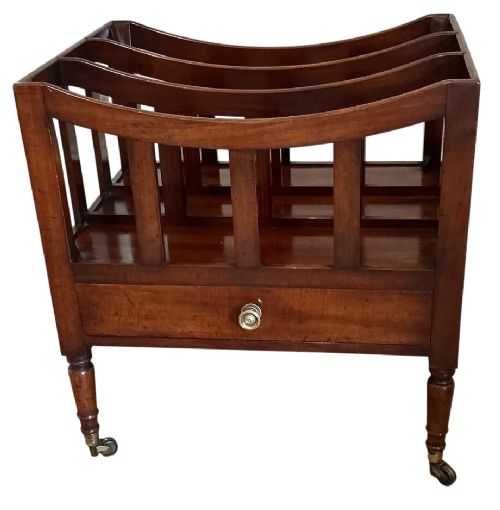
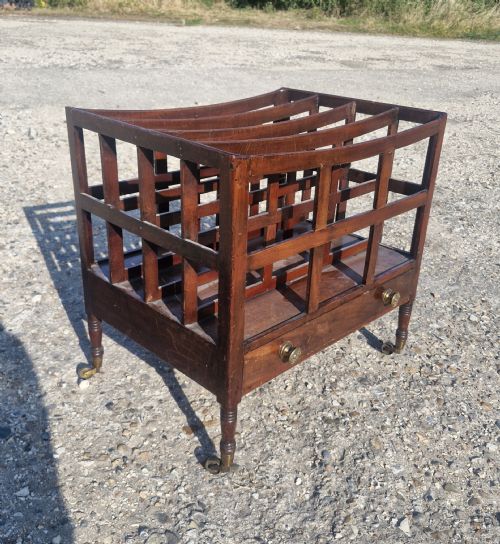
- A low stand with partitioned sections for holding sheet music, books, or portfolios. Many versions incorporate small turning legs mounted on rolling supports.
- Étagère
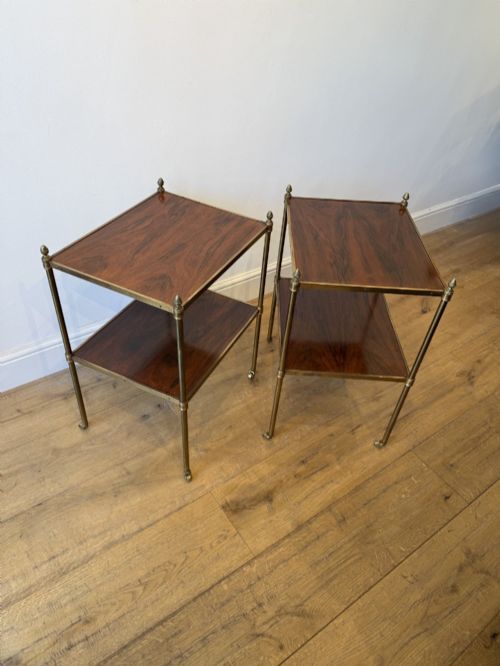
- An open piece of furniture with multiple tiers for displaying small objects or books. These freestanding shelved units frequently sat upon movable wheels.
- Pembroke table
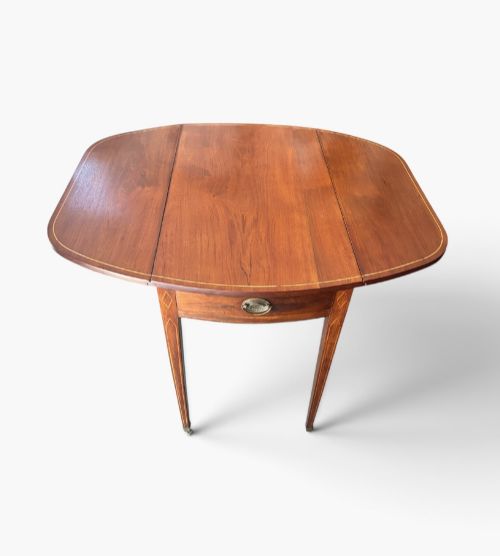
- A drop-leaf table with hinged flaps on either side. These versatile designs often included a single drawer and wheeled feet for repositioning.
Regency Furniture on Castors: Frequently Asked Questions
What is a cantterbury used for?
Canterburys were designed to hold sheet music, periodicals, or books close to a seating area. Their partitioned compartments kept bound materials upright and organised.
Fitted with small wheels, these stands could be rolled near a piano or reading chair and pushed away when floor space was required.
How do I tell Regency from Georgian pieces?
Regency items generally feature bolder classical revival motifs, such as brass inlays, sabots, and heavier rosewood or mahogany grains. Proportions often lean towards heavier, architectural lines.
Georgian designs tend to rely on carving rather than metal inlay, showing distinct bracket feet or plain mahogany surfaces before the more mobile, wheel-mounted trend dominated.
Are these castors original?
Original castors match the period timber, metal patination, and fixing methods standard to early nineteenth-century cabinet making. Brass sockets should show natural wear consistent with age.
Replacements are common because rolling components endured heavy friction and weight over generations of daily domestic movement.
Can I use these tables on modern wooden floors?
Original metal castors can scratch delicate modern timber if rolled under heavy weight. Placing protective cups underneath prevents marking.
Ensure the small wheels rotate freely before moving the table across any finished surface to avoid dragging the brass mount directly on the floor.