


Regency Faux Bamboo Table
These regency faux bamboo table examples bring a clever simulation of natural cane into polite interiors, combining neoclassical form with playful surface mimicry.
Regency Faux Bamboo Table
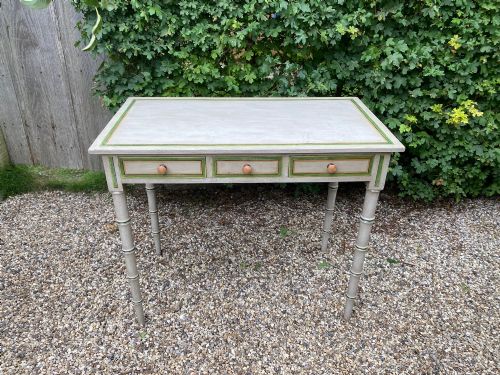
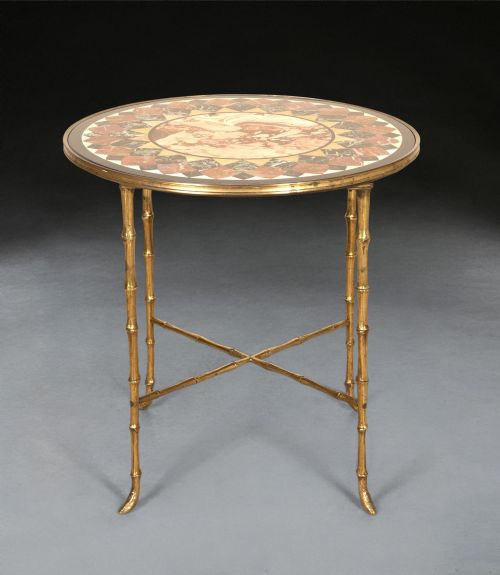
A regency faux bamboo table typically takes the form of an occasional, side, or writing table designed with turned framework that mimics oriental cane. These pieces frequently date to the nineteenth century, with surviving examples carrying original painted finishes.
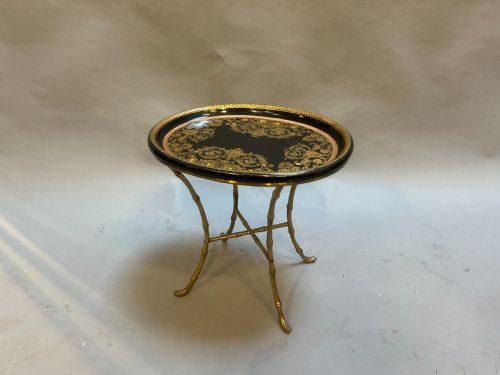
The selection ranges from compact side tables and writing desks to tray tables set upon folding or fixed stands. Makers adapted the whimsical style for diverse domestic uses, including dressing tables and coffee tables.
Most items on this page reflect the Regency period or later revivals, displaying the characteristic jointed turnings that define the aesthetic. Buyers encounter both austere painted softwood frames and more decorative specimens featuring lacquered surfaces.
What varies in quality
The integrity of the painted surface dictates much of the visual appeal, with untouched original decoration commanding greater appreciation than later overpainting. Subtle hand-brushed details on the simulated cane work separate superior specimens from simpler production.
Structural finesse in the turning determines how convincingly the timber mimics natural bamboo joints. The choice of base material, from humble softwood to finer hardwoods and papier-mâché, influences the overall substance of the piece.
Listings feature nineteenth-century items alongside later revivals, utilising materials from painted softwood and mahogany to papier-mâché.
The Regency Faux Bamboo Table Glossary
- Faux bamboo
- A decorative turning technique in wood that imitates the segmented stalks of real bamboo. Artisans carved or moulded timber to replicate the characteristic nodes and internodes.
- Chinoiserie
- European artistic interpretation of Chinese and East Asian motifs, popular in furniture decoration. This style often featured on papier-mâché and painted trays mounted as tables.
- Occasional table
- A small, movable table intended for specific, intermittent use within a room rather than a fixed position. These versatile pieces served for holding books, drinks, or decorative items.
- Tole
- Painted or lacquered sheet metal, frequently utilised for decorative trays in the nineteenth century. When placed upon a stand, these trays functioned as lightweight tea or serving tables.
Regency Faux Bamboo Table: Frequently Asked Questions
Are these tables sturdy enough for daily use?
Most side and occasional tables handle normal placement of lamps or books quite well. Their slender turned legs require sensible handling rather than heavy loading.
Heavier writing desks offer greater structural solidity for practical daily tasks. Checking the joints beneath ensures the frame remains stable over time.
How do I identify original paint?
Original finishes show natural craquelure, subtle softening around edges, and integration with the underlying wood structure. Pigments often display muted tones like ochre rather than flat modern acrylics.
Closer inspection under magnification reveals age-related wear patterns consistent with nineteenth-century usage. Clean, uniform colour across every surface usually indicates later restoration.
What rooms suit these pieces best?
Side and tray tables fit neatly beside seating in drawing rooms or studies without crowding the floor plan. Their distinctive silhouette adds texture alongside heavier upholstered furniture.
Smaller dressing and writing variants also function effectively as decorative writing desks in bedrooms. The playful turned legs brighten corners that might otherwise look heavy.
How do Regency and later styles differ?
Period pieces from the early nineteenth century rely on hand-mixed pigments and traditional joinery methods suited to the Regency aesthetic. Later revivals from the Edwardian era or the early twentieth century often employ standardised machine turnings.
Comparing the weight of the timber and the crispness of the bamboo nodes helps clarify the date of manufacture. Secondary woods inside drawers or framing provide further clues to age.