
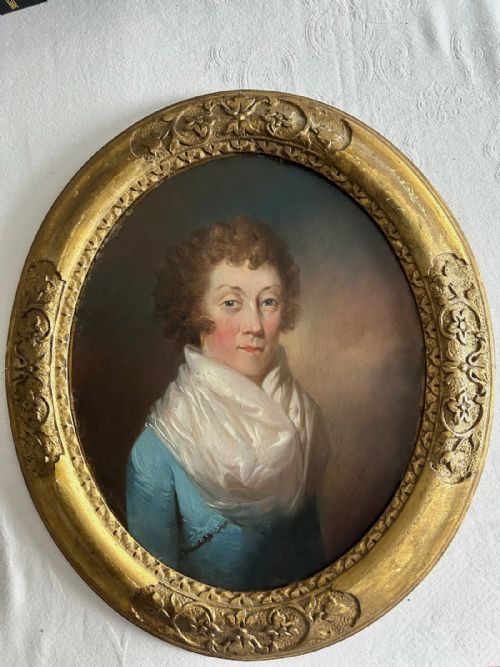
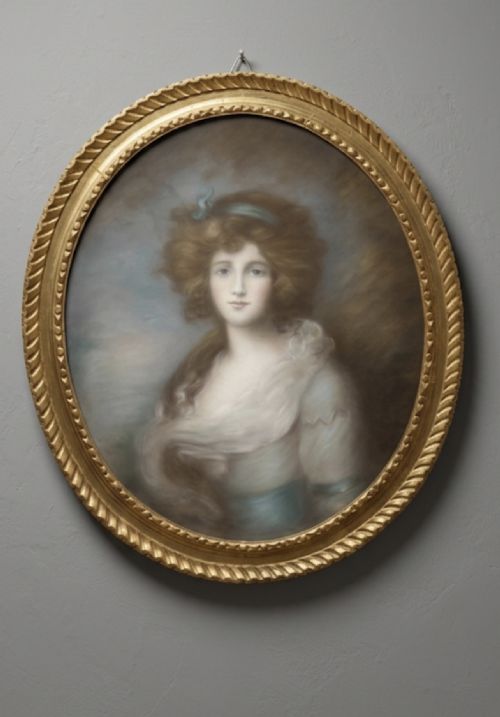
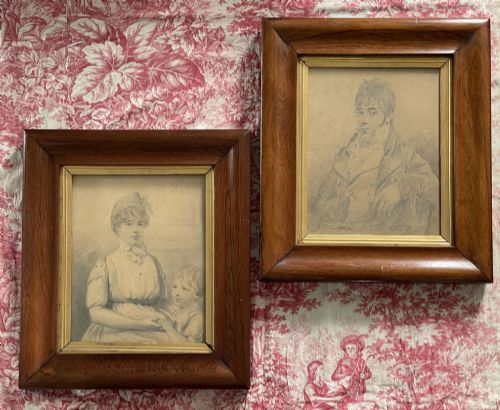


Regency Era Lady Portrait
These regency era lady portrait examples capture the refined elegance of early nineteenth-century portraiture, offering buyers a window into historic British society.
Regency Era Lady Portrait
A regency era lady portrait brings the distinct aesthetic of the early nineteenth century into modern interiors through framed art and fine paintings. These works originate from the Regency period and broader nineteenth-century British school, capturing female subjects with characteristic restraint and grace.
Buyers encounter a variety of forms including oil paintings, pastel works, and miniature watercolours. Many pieces present named subjects or historical figures, framed in period materials such as giltwood.
Materials and Technique
Artists of this era utilised paper and canvas as foundations for their work, applying mediums such as watercolour, pastel, gouache, and oil paints. Pencil and graphite were also employed for detailed preparatory drawings and finished studies.
Framing forms an integral part of these pieces, utilising gilt wood and glass to protect and display the delicate works on paper and canvas.
One featured portrait depicts a lady and her litter of hound dogs, proving that Regency pets loved muddy walks just as much.
Assessing Quality
The sophistication of the draughtsmanship and the handling of the chosen medium dictate the standing of a regency era lady portrait. Masterful control over pastel, watercolour, or oil pigment separates routine decorative work from accomplished portraiture.
The integrity of the original period frame and the preservation of the delicate surface materials significantly influence the overall character of the piece.
Thomas Gainsborough·Samuel Raven·Sir Thomas Lawrence·Lady Francis Herbert·George Perfect Harding
The Regency Era Lady Portrait Glossary
- Regency
- An English stylistic period spanning the early nineteenth century, noted for classical restraint and elegance in art and furniture. This era produced distinctive portraiture focusing on linear precision.
- Pastel
- A dry painting medium consisting of powdered pigment and a binder, frequently used on paper during this period. It yields a soft, velvety surface texture.
- Gouache
- An opaque water-based paint that provides solid areas of colour and sharp detail in works on paper. It often appears alongside watercolour in miniature portraits.
- Giltwood
- Timber carved and coated with gold leaf, standard for framing fine art of the early nineteenth century. These frames contribute substantially to the visual weight of the artwork.
Regency Era Lady Portrait: Frequently Asked Questions
How do I hang a portrait?
Display these works away from direct sunlight to protect delicate watercolours and pastels from fading. Use sturdy wall fixings suited to the weight of the original frames.
Group smaller miniatures together or give a larger oil painting a prominent single wall space to establish a focal point in a room.
Are these works original?
The selection includes period pieces from the early nineteenth century alongside traditional studies after earlier masters. Each listing details the specific materials and historical context associated with the artwork.
Examining the backing, framing methods, and paper or canvas ageing helps confirm the period origin of the piece.
How should I clean the frame?
Dust giltwood frames gently with a soft, dry brush to prevent accumulation without disturbing the gold leaf. Avoid using liquid cleaners or household chemicals near the timber.
Take care not to let any dust or cleaning debris touch the exposed paper or canvas surface.
What mediums were used?
Artists worked with oil on canvas, watercolour on paper, and pastel or gouache combinations. Pencil and graphite drawings also feature prominently among the available formats.
Each medium requires specific preservation care, particularly works on paper which benefit from protective glass glazing.