

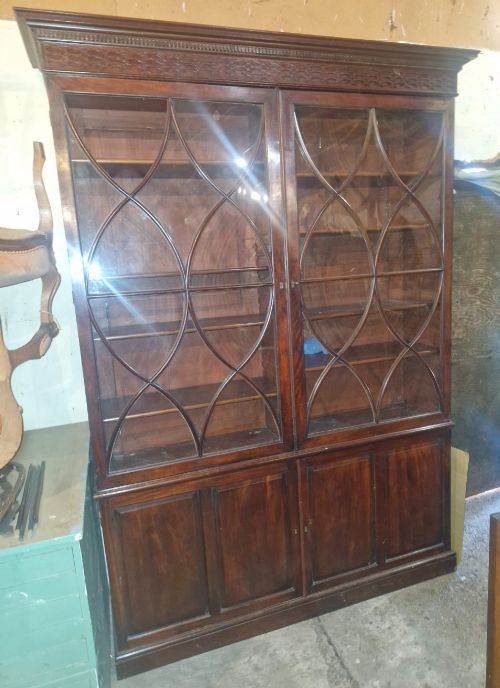
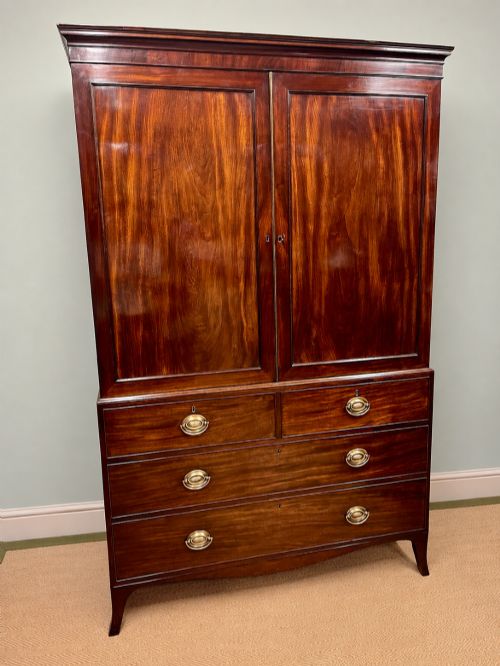
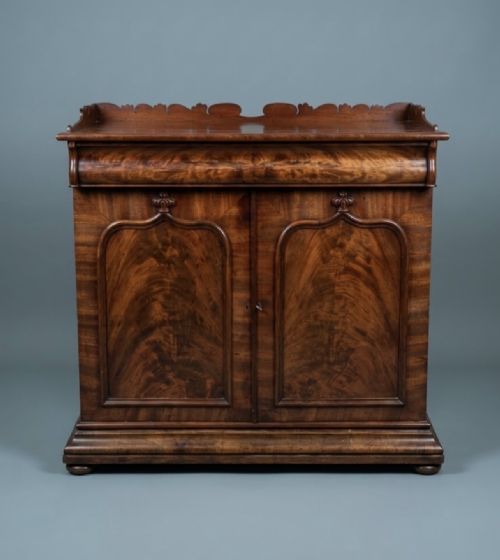
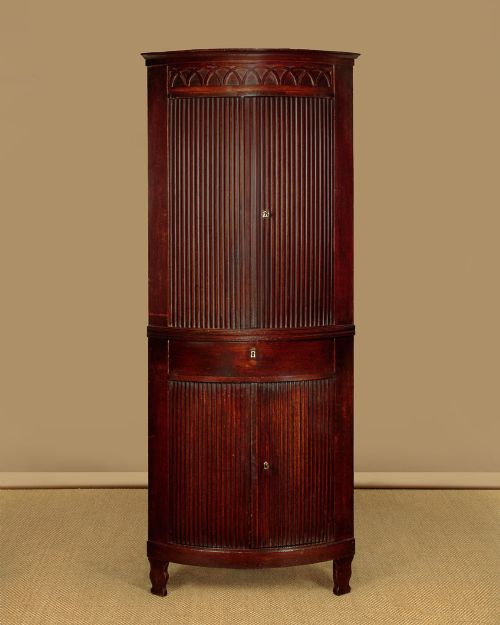


Regency Double Cabinet
A regency double cabinet delivers stately presence and disciplined storage, uniting fine timbers with architectural restraint for the discerning interior.
Regency Double Cabinet
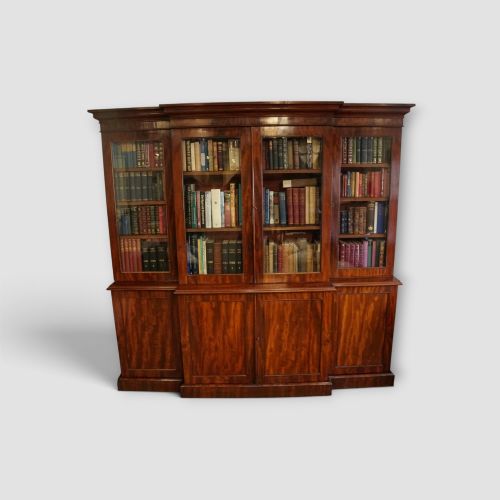
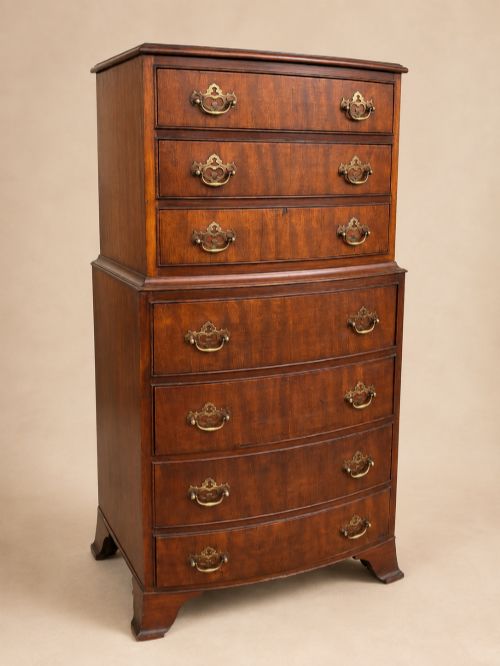
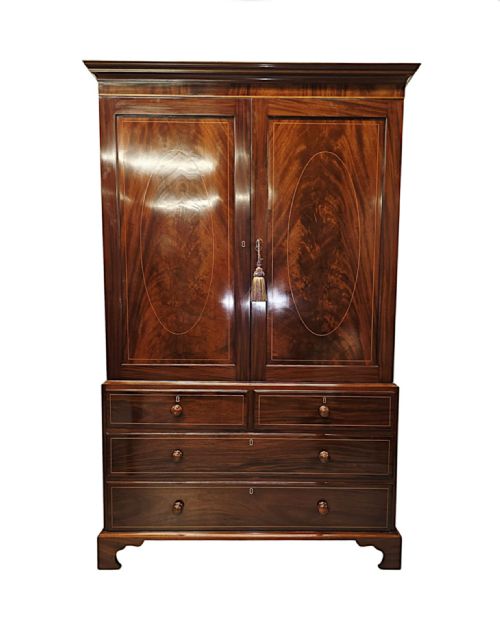
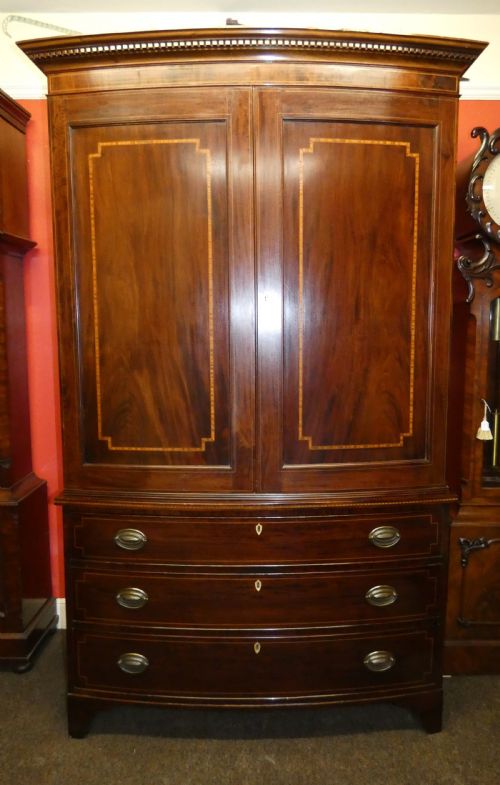
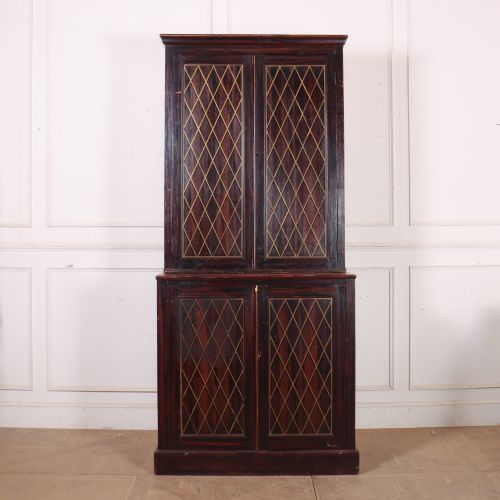
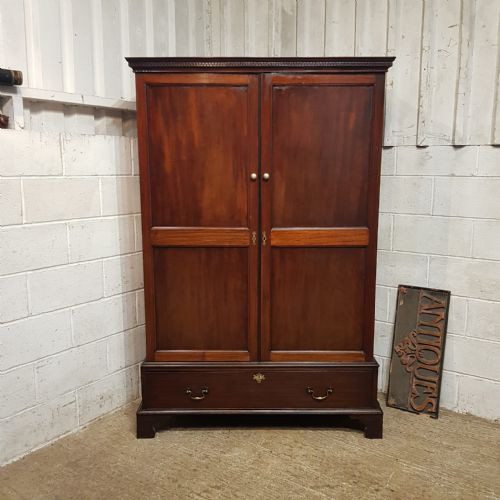
When you search for a regency double cabinet, you encounter substantial forms designed for serious storage, ranging from linen presses and wardrobes to breakfront bookcases and side cabinets. The examples recorded here span the nineteenth century, George III, William IV, and Victorian periods, alongside later twentieth century revivals.
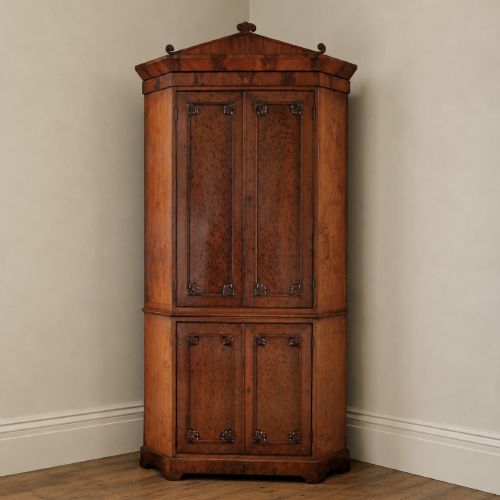
The pieces appearing on this page present dual-compartment proportions executed in mahogany, flame mahogany veneer, burr walnut, and satinwood. These storage items fulfil domestic utility while maintaining the refined classical lines characteristic of the era.
Most entries belong broadly to the wider Regency and Georgian stylistic families, showing how cabinetmakers balanced decorative timber grains with functional compartment divisions. Buyers select these forms to anchor a room with period proportion and genuine utility.
What varies in quality
The caliber of a piece rests in the choice and matching of timber veneers, particularly how flame mahogany or burr walnut wraps across dual doors and drawers. Superior examples display thoughtful grain alignment and crisp execution of inlaid boxwood or satinwood stringing.
Proportion and hardware integration also divide standard items from exceptional ones. Finer cabinets retain original brass fittings, keys, and balanced cornices that respect classical architectural rules without appearing heavy or clumsy.
Regency Double Cabinet Retail Price Guide 2026
Typical asking prices for regency double cabinet among the pieces listed under this phrase on Sellingantiques today, from the lower quarter to the upper quarter. They describe what is for sale here now, not the wider market.
The recorded inventory includes linen presses, open bookcases, corner cupboards, and chiffoniers.
The Regency Double Cabinet Glossary
- Flame mahogany
- A distinct timber figure resembling leaping flames, sliced from specific sections of mahogany logs. It brings high visual movement to drawer fronts and cabinet doors.
- Tallboy
- A tall storage form comprising one chest stacked upon another, often called a chest on chest. These provide maximum vertical capacity within a compact footprint.
- Chiffonier
- A low sideboard or cabinet featuring shelves or enclosed cupboards, developed during the nineteenth century for dining and drawing rooms. They offer convenient surface display alongside concealed storage.
- Stringing
- Fine inlaid lines of contrasting timber, such as boxwood or satinwood, set flush into the primary wood surface. This technique outlines panels and drawers to frame the composition.
- Breakfront
- A cabinet front where the central section projects forward from the flanking wings. This architectural device creates shadow and depth across large bookcases and wardrobes.
Regency Double Cabinet: Frequently Asked Questions
How do I use a linen press today?
A linen press provides deep internal shelving behind large double doors, making it ideal for modern wardrobe storage or linen organisation.
Many buyers repurpose the upper shelves for folded garments while utilising lower drawer banks for accessories or bedding.
How do I tell Regency from Victorian pieces?
Regency pieces lean toward crisp classical restraint, influenced by ancient Greek and Roman forms with disciplined brass details.
Victorian items often introduce heavier proportions and elaborate carving, though revival pieces from the twentieth century frequently blend these influences.
Where should I place a double cabinet?
These substantial pieces require generous wall space where their architectural proportions can anchor the room without crowding.
Drawing rooms, spacious hallways, and master bedrooms suit their scale best, allowing full appreciation of the timber grain.