
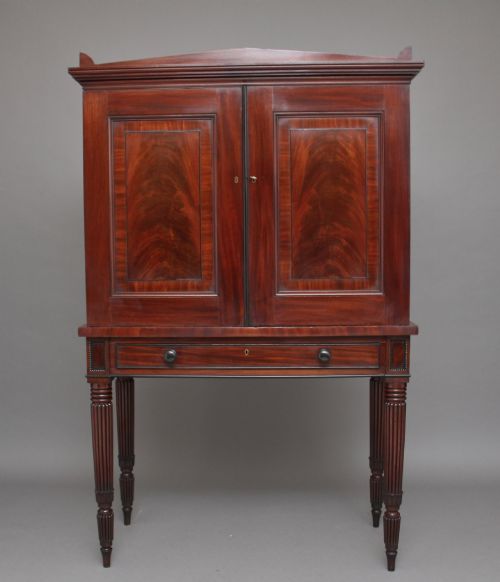
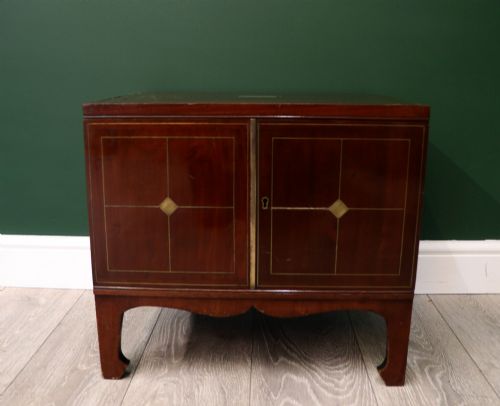


Regency Cupboard Chest
These pieces combine the practicality of a storage chest with enclosed cupboard space, offering a functional solution for bedroom and living areas.
Regency Cupboard Chest
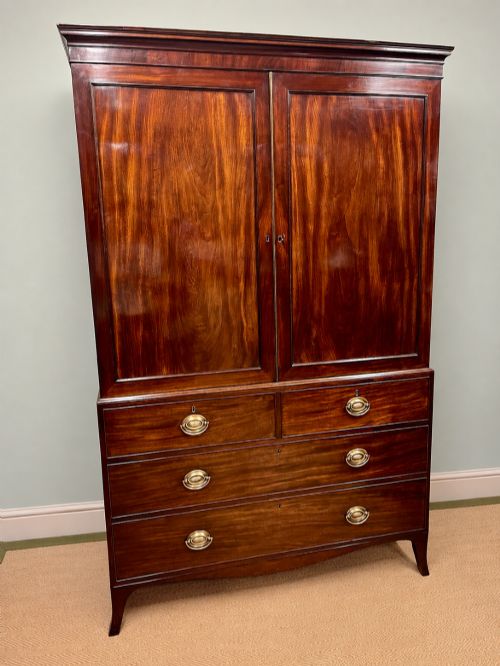
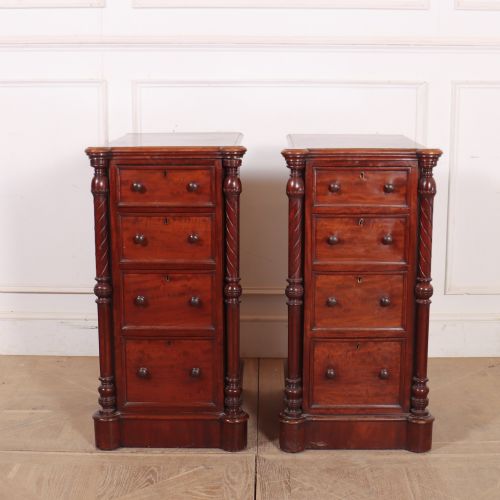
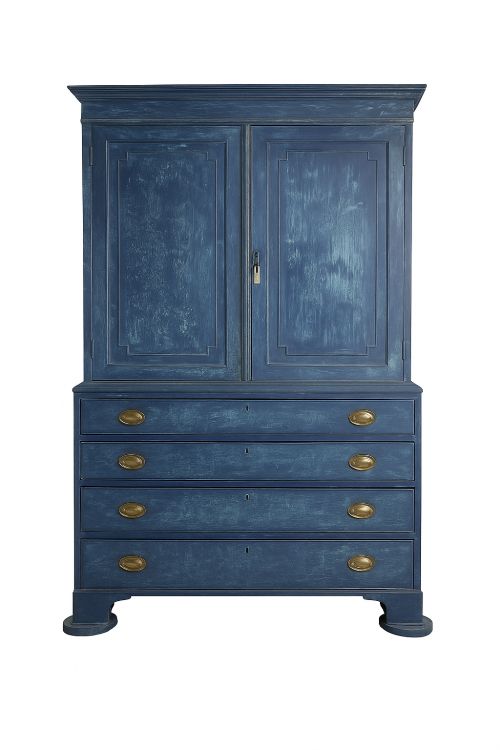
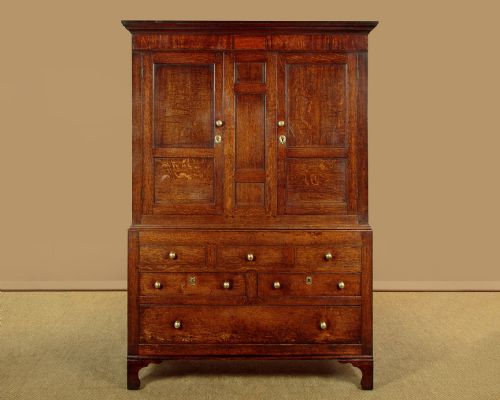
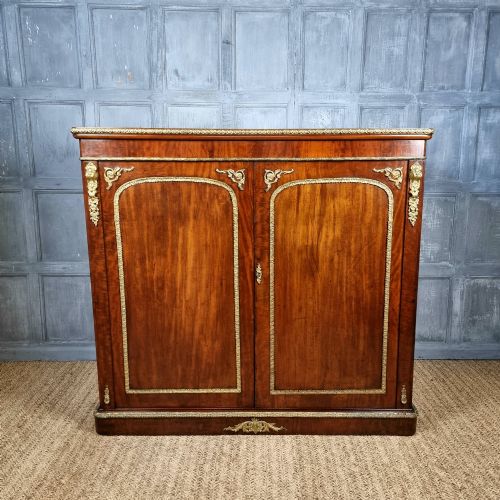
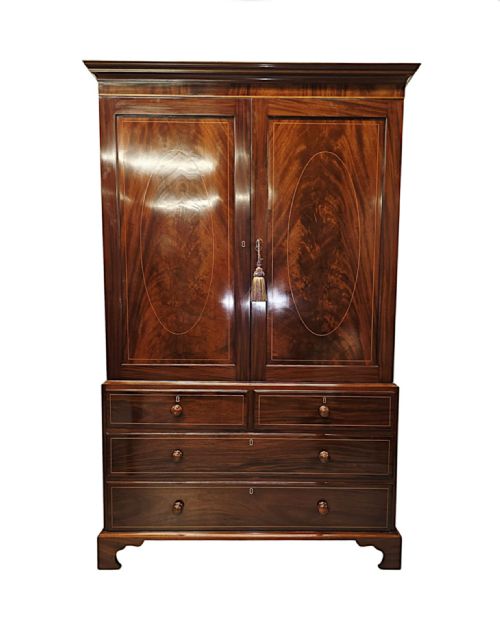
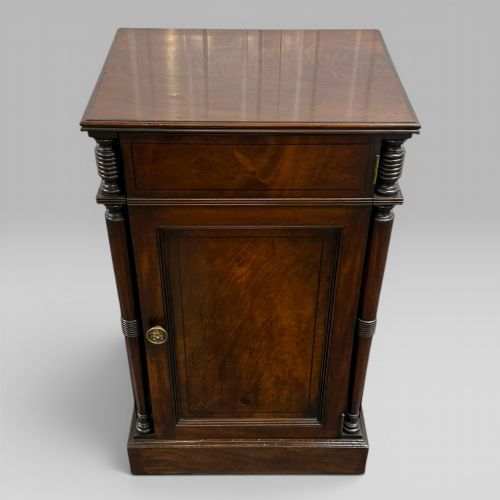
A regency cupboard chest merges the utility of a chest of drawers with enclosed cupboard storage, taking forms such as linen presses, bedside cabinets, and library cupboards. The selection centres heavily on 19th-century mahogany pieces, alongside oak, burr oak, and rosewood examples originating from English, Welsh, and Scottish workshops.
Buyers will encounter tall press cupboards featuring upper cabinet doors above lower drawers, alongside compact bedside tables and specialised collectors' cabinets. These items span the Georgian, Regency, and Victorian eras, reflecting diverse domestic storage needs from country houses to urban rooms.
Materials and Construction Techniques
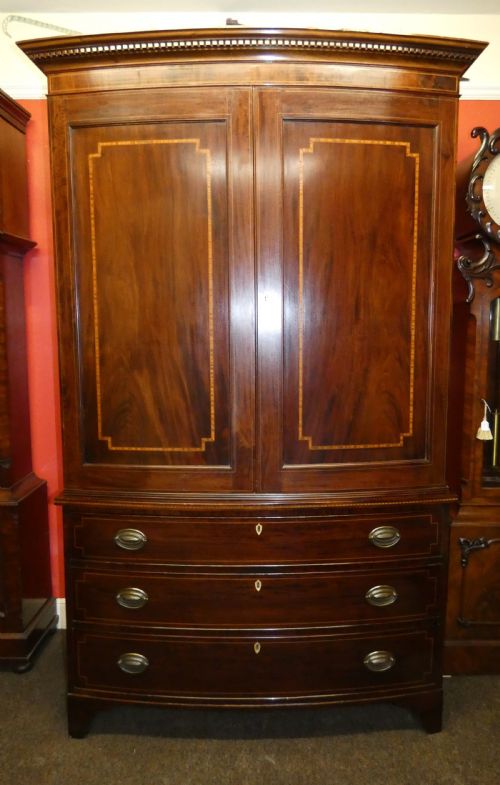
Cabinet makers utilised solid timber and figured veneers, relying predominantly on mahogany, flame mahogany, and oak. Surfaces often incorporate subtle decorative elements such as boxwood stringing, satinwood banding, and brass handles or inlay.
Structural integrity depends on traditional joinery techniques suited to heavy carcases and panelled doors. Fine examples employ carefully selected grain patterns across drawer fronts and cupboard doors to create visual depth without excessive ornamentation.
Some regency bedside cabinets include a clever pull-out wooden step to help shorter owners climb into high nineteenth-century beds.
Distinguishing Quality in Cabinet Work
Quality rests in the selection of timber veneers and the crispness of cabinet-making details. Superior examples exhibit matched flame mahogany or plum pudding mahogany figures that wrap naturally across drawers and doors.
Secondary elements such as interior slides, original brass hardware, and well-fitted internal drawers separate standard utility furniture from pieces produced by skilled cabinet makers. Proportions remain balanced, and timber movement is controlled through sound foundational framing.
Gillows
The Regency Cupboard Chest Glossary
- Linen Press
- A tall double-door cupboard enclosing sliding trays or shelves, positioned above a base chest of drawers. This form was traditionally used for storing folded linens and textiles.
- Flame Mahogany
- A veneer cut from the fork of a mahogany tree where branches join the trunk. It yields a distinctive, fiery feather pattern prized for decorative drawer fronts.
- Night Cabinet
- A small bedside or dressing-room cupboard designed to hold chamber pots or personal items. These often feature enclosed doors and sometimes incorporate pull-out steps.
- Secretaire
- A cabinet or chest incorporating a fitted writing drawer with a drop-down front. Inside, small pigeonholes and drawers provide storage for correspondence.
Regency Cupboard Chest: Frequently Asked Questions
What is a regency cupboard chest used for?
These pieces provide versatile storage by combining enclosed shelving or hanging space with accessible drawers. They function well in bedrooms for linens and clothing or in living spaces as display and storage units.
Their enclosed design keeps contents dust-free while maintaining a tidy exterior appearance in domestic interiors.
How do I identify a genuine piece?
Examine the construction methods, timber selection, and secondary woods used inside the drawers. Authentic period items display hand-cut dovetails, aged patination, and construction traits consistent with nineteenth-century workshop practices.
Hardware placement and timber shrinkage patterns also offer reliable indicators of age and original manufacture.
Where should I place it at home?
Bedside cabinets and night chests suit bedroom placements, while larger linen presses and library cupboards anchor hallways, dining rooms, or spacious landings. Their practical proportions allow them to serve as focal points or functional storage walls.
Ensure placement avoids direct heat sources to protect historic wood veneers and polished surfaces.
How do I care for antique mahogany surfaces?
Maintain the wood by dusting with a soft, dry cloth and applying traditional beeswax sparingly to nourish the polish. Avoid synthetic sprays and keep furniture away from direct sunlight.
Consistent indoor humidity prevents the timber and veneers from drying out or splitting over time.