

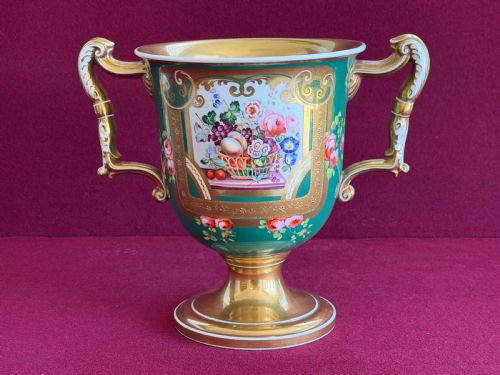


Regency Ceramic Vessels
Regency ceramic vessels are substantial domestic and decorative pieces spanning the Georgian and Regency periods, prized for their fine porcelain bodies and bold neoclassical forms.
Regency Ceramic Vessels
Regency ceramic vessels encompass a varied selection of domestic and display objects, ranging from teapots and chocolate cups to wine coolers and footbaths. These items emerge from the late Georgian and Regency eras, reflecting both daily utility and grand decorative ambitions.
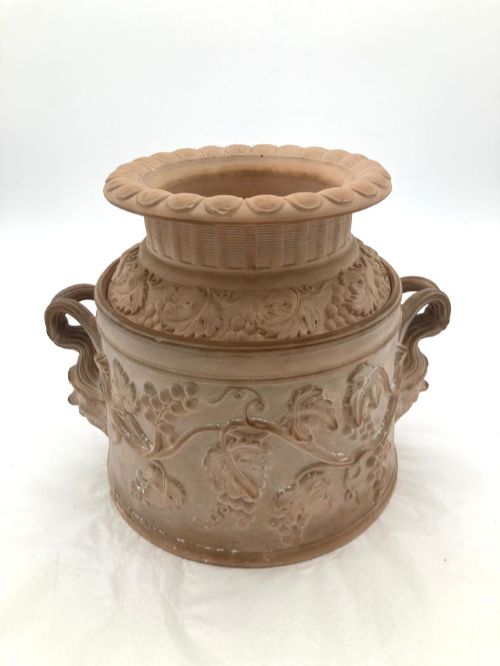
The objects frequently take classical forms such as campagna urns, Warwick vases, and hydra-handled cider mugs. Buyers encounter both utilitarian earthenware vessels like creamware knee baths and highly finished porcelain tea and ice wares.
How They Were Made
Manufacturers utilised diverse ceramic bodies including porcelain, ironstone, creamware, terracotta, and stoneware. Potters shaped these materials through casting, throwing, and moulding to achieve classical urn, vase, and hollowware profiles.
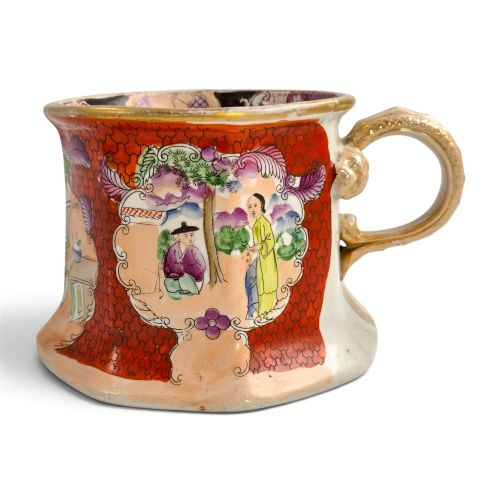
Decoration relied on skilled hand-painting, transfer printing in blue and white, enamel highlights, and the application of gold leaf. Potters incorporated distinct surface treatments such as red scale patterns, Chinoiserie motifs, and sepia figural work.
Regency Ceramic Vessels Retail Price Guide 2026
Typical asking prices for regency ceramic vessels among the pieces listed under this phrase on Sellingantiques today, from the lower quarter to the upper quarter. They describe what is for sale here now, not the wider market.
A knee bath suggests nineteenth-century bathers preferred soaking their lower limbs while keeping their upper torso safely dry.
What Varies in Quality
Quality differentiates through the precision of the modelling and the crispness of classical relief work on forms like campagna urns and wine coolers. Superior pieces display finely articulated handles, such as hydra motifs, and well-balanced proportions.
The standard of painting and gilding separates standard production from exceptional factory outputs. Mastery in polychrome enamel application, Imari palettes, and transfer-printed detail determines the visual depth of the vessel.
Flight, Barr and Barr·Spode·Davenport·Bloor Derby·H and R Daniel·Coalport·Miles Mason·Mason·Adams·Heathcote·Royal Staffordshire
The Regency Ceramic Vessels Glossary
- Ironstone
- A dense, durable type of earthenware patented by Charles Mason that bridged the gap between pottery and porcelain. It resisted chipping and accepted heavy enamel and transfer-printed decoration well.
- Campagna Urn
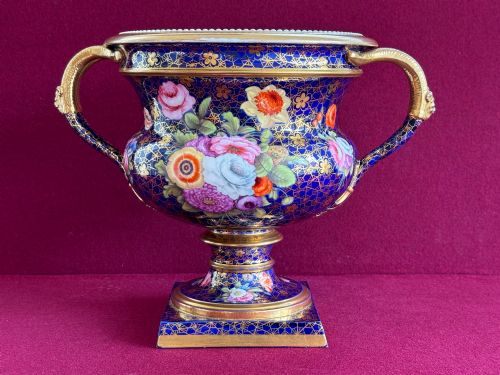
- A classical bell-shaped vessel with a footed base and scroll handles, popular during the Regency period for decorative display. It emulated ancient Roman bronze and stone models.
- Creamware
- A refined light-coloured earthenware developed in Staffordshire during the eighteenth century, glazed with a subtle yellowish tint. It provided an affordable, smooth surface for domestic vessels.
- Felspar Porcelain
- A pioneering body introduced by Spode containing feldspar to increase translucency and strength. It allowed factories to produce crisp white tea wares and sucriers.
- Stoneware
- A hard, vitrified ceramic fired at high temperatures, making it impermeable to liquids without requiring a glaze. It suited heavy cooling and utility vessels.
- Hydra Handle
- A scrolled handle formed in the shape of the mythical multi-headed serpent, frequently seen on Regency cider mugs and vases. It added a sculptural neoclassical element to functional ceramics.
Regency Ceramic Vessels: Frequently Asked Questions
How were wine coolers used?
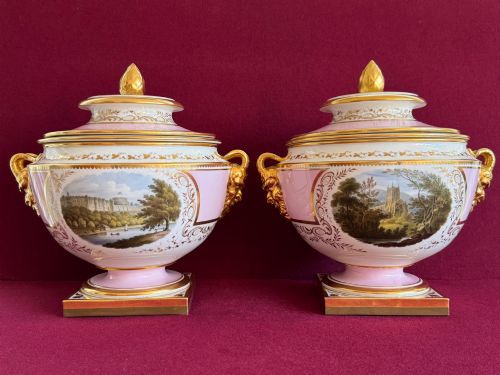
Wine coolers and ice pails stood on sideboards or dining floors to chill bottles during formal meals. Servants filled them with ice or cold water to maintain lower temperatures for wine.
These large vessels required robust bodies like ironstone, terracotta, or stoneware to handle moisture and weight. Their presence marked high-status dining rooms of the period.
What is a campagna urn?
A campagna urn is a decorative vessel shaped like an inverted bell on a pedestal foot, styled after ancient Roman excavation finds. Makers used this classical silhouette for ornamental mantelpiece urns and garden ornaments.
In ceramic form, these urns often featured painted landscapes, classical figures, or gilt accents. They served as focal points in Regency interiors.
How do I care for antique porcelain?
Antique porcelain requires gentle hand washing in lukewarm water using mild detergents without harsh abrasives. Submerging gilded pieces for extended periods risks damaging the gold leaf.
Display vessels should rest on stable surfaces away from direct sunlight to protect enamel colours. Handle them by the body rather than delicate applied handles or spouts.
What distinguishes ironstone from earthenware?
Ironstone is a heavy, vitrified ceramic formulated to be much tougher and less porous than standard earthenware. Charles Mason patented the composition to create durable tableware that mimicked porcelain.
Earthenware remains more porous and softer, often requiring an opaque glaze to conceal the darker body. Ironstone allowed makers to produce thick, substantial vessels with sharp moulded details.