



Regency Cane Furniture
Regency cane furniture offers clever seating and storage crafted in mahogany, rosewood, and ebony during the early nineteenth century.
Regency Cane Furniture
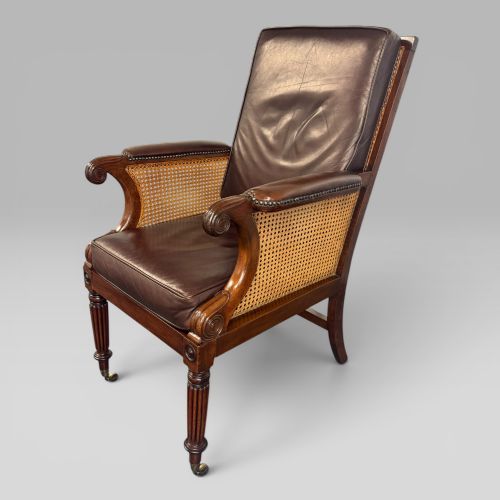
When you search for regency cane furniture, you encounter seating and occasional pieces designed for the home during the early nineteenth century. The selection ranges from library armchairs and dining chairs to daybeds, window seats, and umbrella stands.
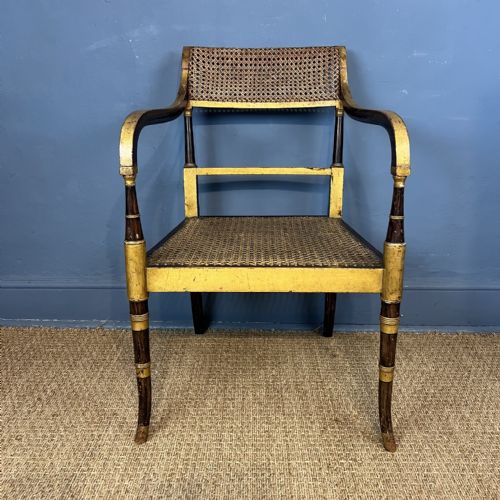
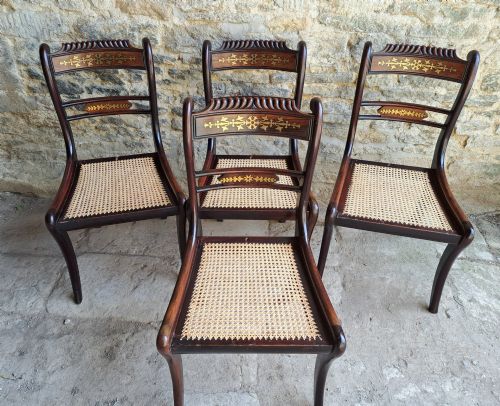
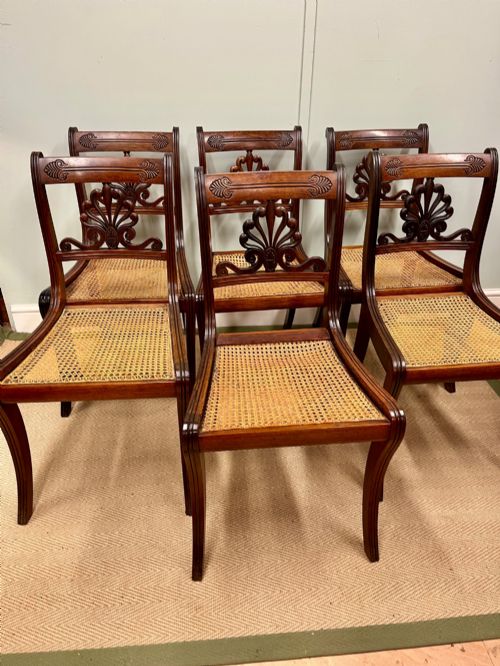
Armchairs and bergères dominate the listings, frequently accompanied by dining chairs and sets of seats. These forms utilise woven rattan alongside dense timbers, reflecting the taste of the period.
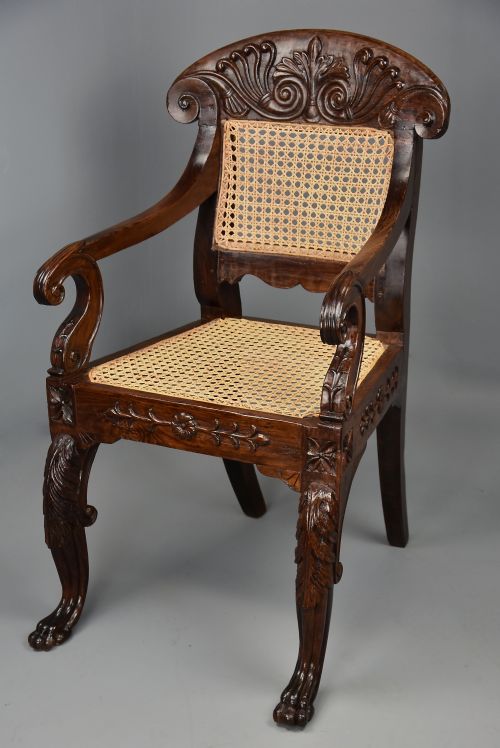
Origins stretch across the Regency and William IV eras, with Anglo-Indian variations also appearing among the items. Buyers find both single statement pieces and larger dining sets sharing these characteristics.
How they were made
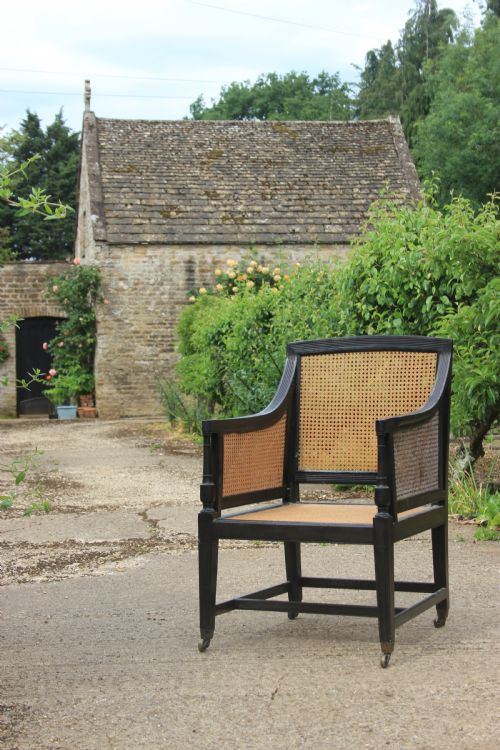
Cabinet makers utilised heavy timbers such as mahogany, rosewood, ebony, and padouk to form the structural frames of these pieces. Ebonised wood and faux rosewood finishes also appear, occasionally enhanced by parcel gilding or brass inlays.
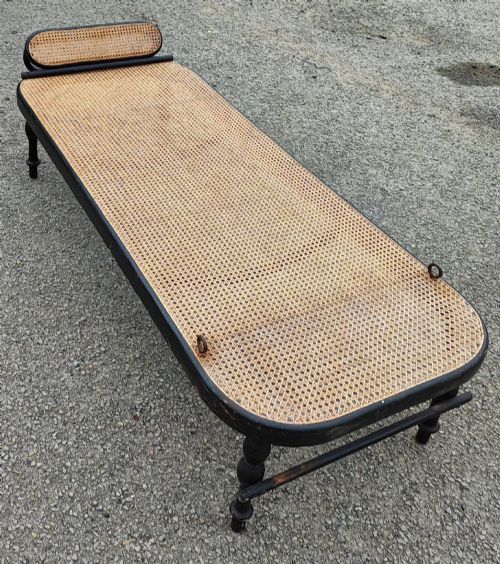
Cane and rattan cane provide the woven surfaces for seats and backs, particularly on bergère armchairs and daybeds. Joinery combines traditional woodworking techniques with fitted brass mounts and leather details where appropriate.
Forms include armchairs, dining chairs, daybeds, window seats, etageres, cradles, and umbrella stands.
What varies in quality
The sophistication of the timber carving and the precision of brass inlays separate standard examples from finer items. Deeply carved details on Anglo-Indian pieces or crisp parcel gilding indicate superior craftsmanship.
The tightness and uniformity of the cane weave affect the overall finish of a piece. Original frames maintaining their structural integrity alongside well-preserved woven panels represent the higher end of the range.
Gillows
The Regency Cane Furniture Glossary
- Bergère
- An enclosed upholstered armchair with closed sides, typically featuring cane panels on the back and arms. This form became popular during the Regency period.
- Etagere
- A set of open shelves used for displaying ornaments or holding books. These pieces often feature tiered wooden platforms supported by slender columns.
- Campaign bed
- A portable folding bed designed for travel and military use. Examples from this period utilise timber frames and rattan seating.
- Parcel gilt
- Partially gilded with gold leaf or gold paint to highlight specific carved details on a wooden surface. This technique adds contrast to ebonised or dark frames.
Regency Cane Furniture: Frequently Asked Questions
How do I care for cane furniture?
Cane requires gentle cleaning and protection from excessive dryness to prevent snapping. Regular dusting keeps the woven rattan in good condition.
Positioning pieces away from direct heat sources helps preserve the natural flexibility of the plant material.
Are these pieces from the Regency period?
The selection includes pieces from the Regency and William IV periods, alongside later nineteenth-century interpretations. Makers also produced Anglo-Indian variations during this time.
Dates range from the early nineteenth century through to later Victorian revivals.
How were umbrella stands used?
Umbrella and stick stands provided practical storage in hallways for walking sticks and wet umbrellas. They kept entrance spaces tidy.
Built from oak or mahogany and fitted with brass mounts, they combined utility with decorative hall furniture.